 Anacortes Siding
 New-Construction Windows in Bow: Getting It Right the First Time
Bow sits in a stretch of Skagit County where new builds, additions, and shop conversions often back up to open farmland or sit within a mile or two of Samish Bay and the open water of the Salish Sea. That location is beautiful, but it also means every window opening in a new-construction project is fighting wind-driven rain, salt-laden air, and long stretches of damp, mossy weather for most of the year. New-construction windows are installed differently than replacements — they go in before the siding and trim, they rely on a nailing fin fastened directly to the sheathing, and they become part of the building's water management system rather than sitting inside an existing wall. Get that sequence wrong and the mistake gets buried behind siding for years before it shows up as rot, stains, or a soft spot in the wall.
This page covers what a correct new-construction window install actually involves for a Bow property, what the local climate does to windows and framing over time, and how we approach the work so it holds up rather than becoming a callback five years down the road.
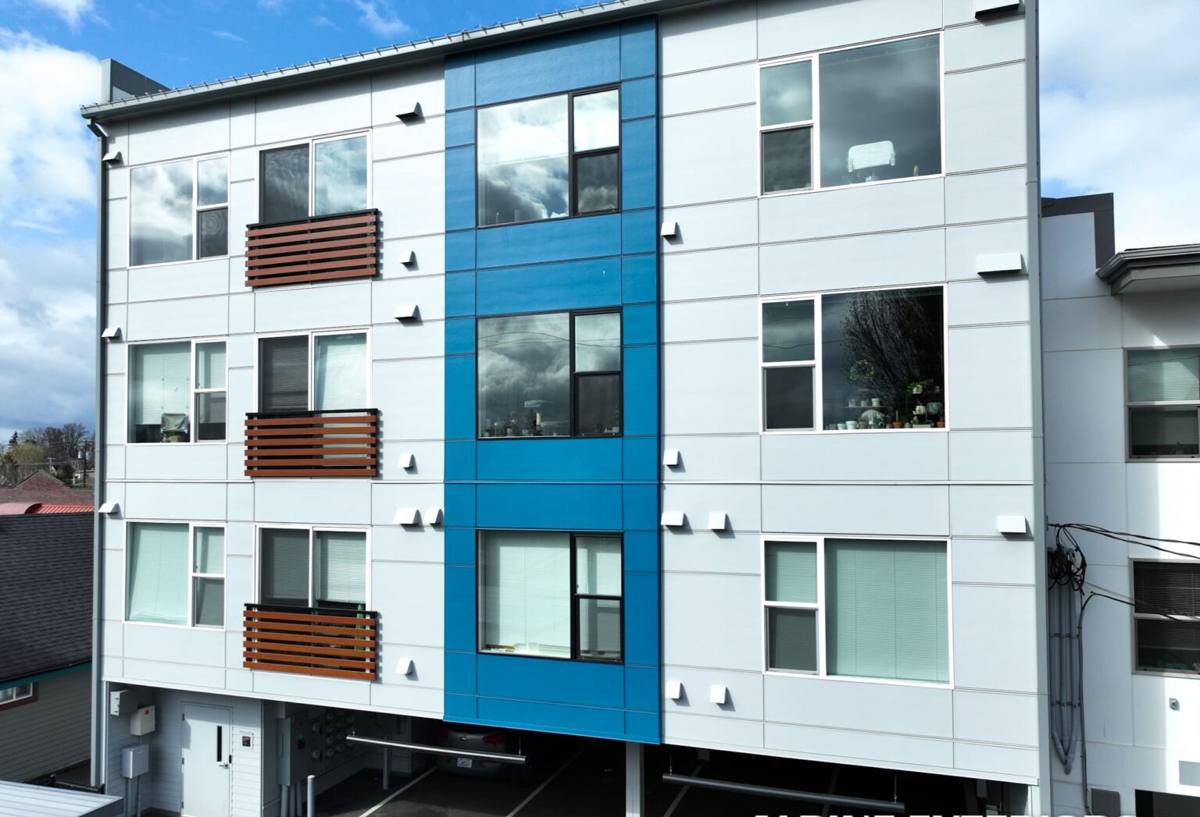
What Skagit County's Climate Does to a New Window Opening
Anacortes and the surrounding Skagit County shoreline communities, Bow included, get a specific combination of conditions that inland builders don't always plan for correctly:
- Salt air: Proximity to Samish Bay and Puget Sound means airborne salt settles on exposed metal, fasteners, and window hardware. Untreated or poorly coated components corrode faster here than they would twenty miles inland.
- Driving rain: Storms off the water frequently push rain sideways into window openings, not just straight down. A flashing detail that only handles vertical water will eventually leak.
- Extended moss and moisture season: Bow's mild, wet fall-through-spring stretch keeps sheathing and trim damp for long periods. Any gap in the water-resistive barrier around a window opening stays wet longer here than in a drier climate, giving rot and mold more time to establish before anyone notices.
- Temperature swings between marine layer and clear days: Condensation on the interior face of poorly sealed or low-quality glass units is common when warm, moist indoor air meets a cold glass surface during cool, damp mornings.
None of this means Bow is a hard place to build — it means the installation details that don't matter much in a dry climate matter a great deal here.
What a Correct New-Construction Install Actually Involves
The water management sequence
Before a window ever goes into the rough opening, the opening itself needs to be prepared correctly. That means a sloped sill pan so any water that gets past the window sheds outward instead of pooling on the sill, a properly lapped weather-resistive barrier (WRB) integrated with the window flange, and flashing tape applied in the correct shingle-style order — sill first, then jambs, then head — so water always drains down and out, never into the wall.
Setting the window
The window gets set plumb, level, and square in the rough opening, shimmed so the frame isn't stressed (a racked frame won't seal or operate correctly), and fastened through the nailing fin per the manufacturer's schedule. Skipping fasteners or over-driving them are two of the most common shortcuts we see when correcting other contractors' work.
Sealing and insulating
The gap between the window frame and the rough opening gets filled with a low-expansion foam or backer rod and sealant designed for window applications — not a can of general construction foam, which can bow thin vinyl frames and interfere with the unit's operation.
Exterior integration
Once the window is set and sealed, the WRB laps back over the flange and the head flashing goes on last, so the whole assembly sheds water like shingles on a roof. Siding and trim then get built around the window, not the other way around.
Choosing Window Materials for a Bow Build
Frame material matters more near the water than it does further inland. Here's how the common options hold up under Bow's conditions:
| Frame Material | Salt Air / Moisture Performance | Maintenance | Typical Cost Tier |
|---|---|---|---|
| Vinyl | Good — won't corrode, handles moisture well | Low — occasional cleaning | Lower to mid |
| Fiberglass | Excellent — very stable in temperature and moisture swings | Low | Mid to higher |
| Wood-clad | Good exterior protection if cladding and flashing details are correct; wood interior still needs care | Moderate — finish upkeep on interior wood | Higher |
| Aluminum | Prone to corrosion and condensation near salt air unless thermally broken and well-coated | Moderate to high | Mid |
We don't push one brand over another — the right call depends on your budget, the look you want, and how much long-term maintenance you're willing to take on. What we do insist on is a frame and glazing package rated for coastal exposure, because a window that looks fine on day one but chalks, pits, or fogs within a few winters isn't actually a good value no matter what it cost upfront.
Glass and Energy Code Considerations
Washington's energy code sets minimum performance requirements for new-construction glazing, and Skagit County permitting will check for compliance. For a Bow home, we typically recommend going beyond the bare minimum on a few fronts:
- Low-E coated, dual- or triple-pane glass to manage both heat loss and interior condensation during our damp, cool months.
- Warm-edge spacers rather than older metal spacers, which conduct cold to the glass edge and encourage condensation and, eventually, seal failure.
- Argon or krypton gas fill between panes for added insulating value, especially on north- and west-facing openings that catch the brunt of weather off the water.
Our Process for New-Construction Window Installs in Bow
- Plan review: We look at your window schedule, rough opening sizes, and elevations before the framing is even finished, so any sizing or header issues get caught early instead of during install week.
- Opening prep: Sill pans, WRB, and flashing get installed in the correct sequence before any window is set.
- Setting and fastening: Each unit is shimmed, squared, and fastened to manufacturer specification — not eyeballed.
- Sealing and insulating: Low-expansion foam and appropriate sealants close the gap between frame and framing without distorting the unit.
- Exterior lap and flashing: WRB and head flashing tie the window into the wall's overall water management system before siding goes on.
- Final check and walkthrough: Every window is operated, checked for square and smooth function, and reviewed with you before we move on to siding and trim.
Cost Factors for a New-Construction Window Package
Every build is different, but these are the variables that most affect the final number on a Bow project:
| Factor | Why It Matters |
|---|---|
| Number and size of openings | More or larger windows mean more material and labor hours |
| Frame material chosen | Vinyl, fiberglass, and wood-clad carry different unit costs |
| Glazing package | Upgraded Low-E, gas fill, or impact-rated glass adds cost but pays off in comfort and durability near the water |
| Opening complexity | Bays, arches, and oversized units take more time to flash and set correctly |
| Site access and timing | Coordinating install with your framer's schedule and site access affects labor efficiency |
| Coordination with siding/trim | Windows detailed correctly the first time avoid rework when siding goes on |
We'll walk through these factors with you specifically rather than quoting a flat per-window price that doesn't account for your actual openings.
A Checklist Before You Sign Off on Any New-Construction Window Install
- Sill pan flashing installed and sloped to drain outward, not just a flat piece of tape
- WRB and flashing tape lapped in the correct shingle order (sill, jamb, head)
- Windows shimmed and fastened per manufacturer instructions, not just nailed through the flange wherever convenient
- Low-expansion foam or backer rod used around the frame, not standard construction foam
- Glazing package meets or exceeds Washington energy code for your climate zone
- Each window operates smoothly and closes fully square before siding covers the opening
- A clear plan for how windows integrate with your siding and trim before that work begins
Why Hiring a Crew That Already Works in Bow Matters
New-construction window work is unforgiving because most of it gets covered up. A rushed flashing detail or a skipped fastener doesn't show up as a problem on day one — it shows up as a stain on the drywall two winters later, once siding, trim, and paint are already in place. A crew that already works throughout Skagit County and understands what Bow's salt air, driving rain, and long moss season do to a building envelope over time isn't guessing at flashing details or glazing specs — we've seen what holds up here and what doesn't, and we build to that standard on every opening, not just the ones that are easy to get to.
We also coordinate directly with framers, builders, and siding crews on new-construction jobs, which matters more than it sounds like it should. Windows that are an afterthought to the rest of the building envelope are where most long-term water problems start.
If you're planning a new build or addition in Bow and want windows installed the right way the first time, we're happy to walk your plans, talk through material and glazing options, and give you a straightforward, no-pressure estimate. The form below is the easiest way to get started.