 Anacortes Siding
 Siding Built for Life Near Flounder Bay
Flounder Bay sits on the water side of Fidalgo Island, and homes there live with conditions that inland Skagit County neighborhoods simply don't deal with. Salt-laden wind comes straight off the bay, rain drives in sideways during winter storms, and the tree cover that gives the area its character also keeps siding shaded and damp for long stretches of the year. Any exterior material installed here has to hold up to that combination day after day, year after year, not just look good on installation day.
We work throughout Anacortes and Skagit County, and Flounder Bay is one of the areas where the difference between a correctly chosen, correctly installed siding system and a corner-cut job shows up fastest. Homes close to the water age differently than homes a mile inland, and we plan every project around that reality.
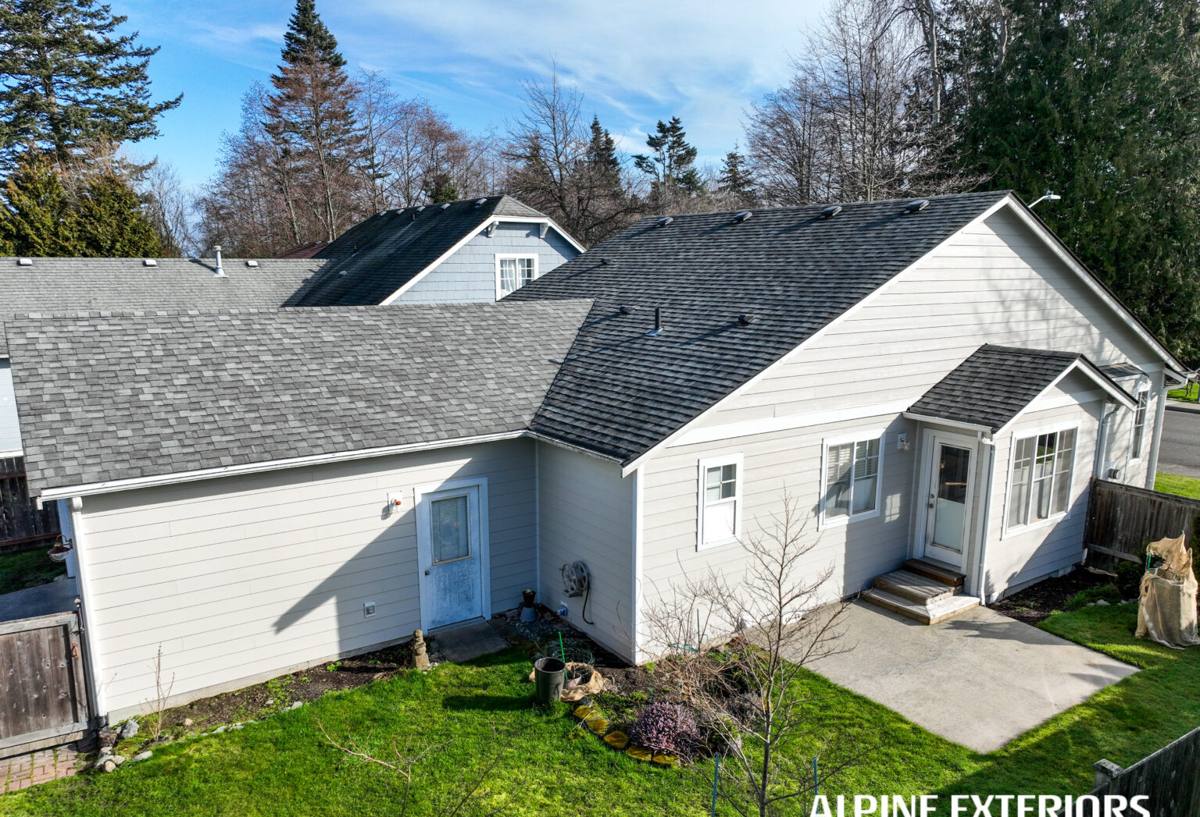
What Salt Air, Rain, and Moss Actually Do to a House
Salt Air
Airborne salt is corrosive to metal fasteners, flashing, and trim, and it accelerates the breakdown of paint films on wood and engineered wood siding. Over time it pulls moisture out of the air and deposits it directly onto exterior surfaces, keeping them damp even on days without rain. Materials that aren't formulated to resist this cycle tend to show chalking, fading, and edge deterioration well ahead of their rated lifespan.
Driving Rain
Flounder Bay's exposure to wind off the water means rain doesn't just fall — it gets pushed sideways into wall assemblies, seams, and butt joints. Any siding product with poor moisture resistance, or any installation with gaps in flashing and caulking, gives that water a way in. Once water gets behind siding, the sheathing, framing, and insulation behind it are all at risk.
Moss and Sustained Shade
Between the marine layer and tree cover common in this part of Anacortes, many homes near the bay stay damp longer after a rain event than homes in open, sunnier parts of the county. That extended damp period is exactly what moss, algae, and mildew need to establish themselves on siding, trim, and roofing. Organic growth isn't just cosmetic — it holds moisture against the surface and, on materials prone to swelling or delamination, speeds up damage underneath.
Why We Install Only James Hardie Fiber Cement
We made a deliberate decision as a company to install James Hardie fiber cement siding exclusively. We don't install vinyl, LP SmartSide, Cemplank, Allura, or primed wood species like spruce or cedar. That's not a marketing position — it's a standard we hold because of what we've seen these products do, and not do, in exactly the kind of coastal, wet, shaded conditions that define Flounder Bay.
- Vinyl is affordable and low-maintenance in mild climates, but it can warp or become brittle over decades of temperature swings and UV exposure, and it doesn't offer the same fire resistance or paintable, factory-finished appearance that Hardie's ColorPlus system provides.
- LP SmartSide and other engineered wood products use wood strand technology that performs well when installation details are followed exactly, but wood-based cores are still more vulnerable to moisture intrusion at cut edges and seams than fiber cement — a real concern in a driving-rain environment.
- Cemplank and Allura are also fiber cement products and share some of Hardie's core strengths, but we've standardized on one manufacturer so we can guarantee consistent installation specs, warranty coverage, and color-match availability for every job we run.
- Primed spruce or cedar can look beautiful, but raw wood siding requires an ongoing paint and caulk maintenance schedule that most homeowners underestimate, especially in a shaded, moisture-heavy setting where repainting cycles come faster than expected.
James Hardie fiber cement is non-combustible, engineered specifically for climate zones like ours through its HZ5 product line, and finished at the factory with ColorPlus technology — a baked-on finish that resists fading and chipping far better than field-applied paint. It doesn't feed moss the way wood substrates can, and it carries a strong, transferable warranty that protects the investment if the home changes hands. For a waterfront community like Flounder Bay, it's the material we're comfortable standing behind.
How We Approach a Flounder Bay Project
Assessment First
Before we quote anything, we look at the home's actual exposure — which walls take the worst of the weather off the bay, where moss and staining are already showing up, and where past flashing or trim work may have failed. A house on a hill with heavy tree cover gets a different plan than a house sitting more open to the wind.
Correct Installation Details
Fiber cement performs the way it's supposed to only when it's installed to spec. That means proper clearance from grade and roof lines, correctly lapped and sealed flashing at every window and door, factory-primed cut edges caulked and sealed, and fasteners placed according to Hardie's engineering requirements. In a high-exposure area like Flounder Bay, we don't treat these details as optional — they're the difference between siding that lasts and siding that fails early from water intrusion at the seams.
Full Exterior Coordination
Because we also handle roofing, windows, and decks, we can look at a Flounder Bay home as one connected system instead of a set of separate projects. Roof and siding meet at flashing points that both trades need to get right. Window replacement affects the siding trim around every opening. Decks facing the water take similar salt and moisture exposure and often need the same durability thinking. Coordinating this work under one crew cuts down on the finger-pointing that happens when different contractors' work meets at a seam.
Comparing Common Siding Materials for a Bay-Exposed Home
| Factor | James Hardie Fiber Cement | Vinyl | Engineered Wood / Primed Wood |
|---|---|---|---|
| Moisture resistance | Strong, non-wood core | Good, but seams can gap over time | Vulnerable at cut edges and unsealed joints |
| Fire resistance | Non-combustible | Combustible | Combustible |
| Finish durability | Factory-baked ColorPlus finish | Color molded in, can fade/chalk | Field-applied paint, needs recoating |
| Maintenance | Occasional wash, minimal upkeep | Low, but limited repair options | Regular paint and caulk maintenance |
| Performance in salt/damp exposure | Engineered for climate zone (HZ5) | Can become brittle with age | More susceptible to swelling, rot at seams |
What Drives the Cost of a Siding Project Here
Every home is different, but a few factors consistently move the price on Flounder Bay projects:
- Whether the existing siding needs to be fully removed or there's sheathing damage underneath to address first
- The home's exposure level — more wall area facing the water or prevailing wind usually means more attention to flashing and trim detail
- Number and complexity of windows, doors, and roof transitions the siding has to wrap around
- Whether roofing, window, or deck work is bundled into the same project
- Site access — some Flounder Bay properties have steep grades or limited staging space that affect labor time
We walk every property in person before giving a number, because guessing at exposure or substrate condition from a photo does homeowners a disservice.
Maintaining Hardie Siding in a Marine Climate
One of the practical advantages of fiber cement in a place like Flounder Bay is how little ongoing work it asks for compared to wood-based alternatives. Still, a few habits keep it performing at its best:
- Rinse siding periodically to clear salt residue and organic buildup before it sets in, especially on walls facing the water
- Keep gutters clear so overflow doesn't run down siding and encourage moss growth at panel edges
- Trim back vegetation that keeps siding shaded and damp longer than necessary
- Have caulking and trim joints checked periodically, since sealant is the first line of defense against driving rain even on a well-installed system
- Address any impact damage or cracked panels promptly so moisture can't find a way behind the siding
A Local Crew That Knows the Bay
Contractors who don't work this stretch of Skagit County regularly can underestimate what salt air and sustained moisture do to a building envelope over time. We're in Anacortes, we see how homes near Flounder Bay actually age, and we build our installation standards around that — not around generic specs written for a drier climate. That local knowledge shapes everything from how we detail flashing to which side of a house gets extra attention during install.
If you're planning siding work, or want to talk through roofing, windows, or a deck alongside it, we're happy to take a look at your home and give you a straightforward, no-pressure estimate — no invented urgency, just an honest read on what your house needs.