 Anacortes Siding
 Windows Built for Flounder Bay's Marine Climate
Homes around Flounder Bay sit close enough to the water that the weather is never quite the same as a few miles inland in Skagit County. Salt-laden air moves off the bay and settles on everything it touches, driving rain comes in sideways during winter storms, and the long gray stretch of moss season keeps north-facing surfaces damp for months at a time. Windows take the brunt of all three. They're the weak point in an otherwise solid wall system, and the seals, frames, and flashing details around them decide whether a window lasts fifteen years or thirty-five.
A custom window job for a Flounder Bay property isn't just about picking a style out of a catalog. It's about matching the frame material, glazing package, and installation detail to a specific exposure — how much direct weather the wall sees, how close the home sits to the water, and how the existing siding and trim are built to shed water in the first place.
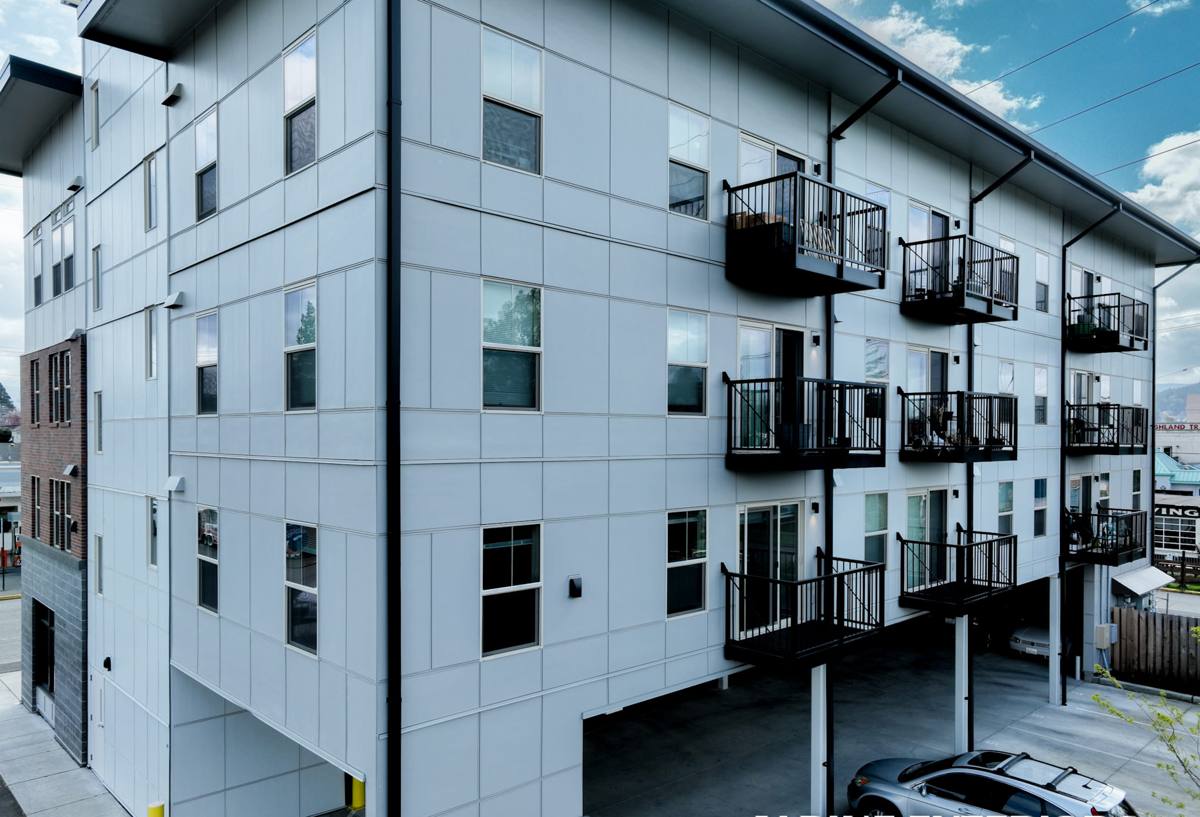
What Salt Air and Driving Rain Actually Do to Windows
Corrosion and Hardware Fatigue
Salt air is conductive and mildly corrosive, and it works its way into places you don't expect — window latches, roller tracks, screen frames, and any exposed fasteners. Aluminum hardware and lower-grade steel components corrode faster near open water than they would inland, which is why hardware quality matters as much as glass quality when you're this close to the bay.
Water Intrusion Around the Frame
Driving rain doesn't fall straight down here — wind off the water pushes it sideways into wall assemblies, testing every seam around a window opening. If the flashing, sill pan, and sealant details aren't done correctly, water finds its way behind the frame and into the wall cavity long before anyone notices a stain inside. By the time it's visible, there's usually already rot in the framing.
Moss, Algae, and Constant Moisture
Anacortes' moss season stretches from fall through spring, and shaded or north-facing elevations near Flounder Bay stay damp for weeks between dry spells. That moisture doesn't just grow moss on roofs — it sits against window sills, exterior casing, and the bottom edge of trim, which is exactly where wood rot and paint failure start.
Choosing the Right Frame Material for This Location
There's no single "best" window for every home, but there are real trade-offs worth understanding before you commit to a material, especially this close to salt water.
| Frame Material | Salt Air / Moisture Behavior | Maintenance | Typical Fit for Flounder Bay |
|---|---|---|---|
| Vinyl | Won't corrode or rot; some lower-grade vinyl can become brittle with UV and temperature swings over decades | Low — occasional cleaning | Good all-around choice for most exposures; confirm reinforced corners and quality weatherstripping |
| Fiberglass | Very stable dimensionally, resists corrosion and moisture well, holds paint longer than vinyl | Low to moderate | Strong option for direct water-facing walls where movement and moisture cycling are highest |
| Wood-clad | Interior wood look with an exterior cladding; cladding must be fully sealed or moisture gets trapped behind it | Higher — cladding seams and any exposed wood need monitoring | Workable on covered or less-exposed elevations; we're cautious about it on unprotected, direct-exposure walls |
| Aluminum | Strong but a poor thermal performer and prone to corrosion pitting in salt air unless properly coated | Moderate | Generally not our first recommendation for open-water exposures on this project type |
We're upfront about these trade-offs because the "wrong" choice usually doesn't fail right away — it fails in year eight or twelve, quietly, behind the trim. Our job is to steer you toward the option that matches your home's actual exposure, not just the lowest bid.
Glazing and Weatherstripping
Dual-pane glass with a warm-edge spacer is the baseline we install; homes with a direct, unobstructed view of the bay often benefit from upgraded weatherstripping and a tighter compression fit, since wind-driven rain tests seals harder than still-air rain ever does. Argon fill and low-E coatings help with energy performance, but on this stretch of coastline, the seal quality and installation detail matter more to long-term water-tightness than the glass package alone.
What a Correct Custom Window Installation Involves
Replacing a window is straightforward. Replacing it correctly, in a wall that has to shed wind-driven rain year after year, involves a specific sequence that's easy to skip if a crew is moving fast.
Sill Pan and Flashing
Every opening should get a sloped sill pan that directs any water that gets past the window back out, not into the framing. Flashing tape integrates with the house wrap or building paper in a shingle-lap pattern — each layer overlapping the one below it — so water is always directed outward and down, never trapped.
Sealant Placement
Sealant goes where it should move water out, not where it traps it in. A common mistake is sealing the bottom of a window frame solid, which blocks the one place water is supposed to escape if it ever gets behind the glass or frame. We leave weep paths open by design.
Integration with Siding
Where the window meets the siding, the trim and flashing need to work together as one system. If we're replacing windows on a home where we're also doing siding work, we handle both in the same sequence so the flashing isn't compromised by mismatched timing between trades.
Our Process, Start to Finish
- On-site assessment — we look at each opening's exposure, current condition, and any signs of water intrusion already present in the wall.
- Material recommendation — based on that exposure, not a one-size answer, we recommend frame material, glazing, and hardware grade.
- Written estimate — a clear scope covering removal, flashing detail, installation, and cleanup, with no vague allowances.
- Removal and opening prep — old units come out, framing is inspected for hidden rot before anything new goes in.
- Flashing and sill pan installation — the step that determines whether the job lasts.
- Window set and sealing — units are shimmed, squared, fastened per manufacturer spec, and sealed with weep paths intact.
- Final walkthrough — we operate every window with you before we call the job done.
Signs Your Current Windows Are Already Losing the Fight
Homeowners near the bay often live with early warning signs for years before calling anyone, mostly because the symptoms look minor at first.
- Condensation forming between the panes, which means the seal has failed and the gas fill is gone
- Soft or discolored wood trim at the sill or bottom corners of the frame
- Windows that stick, won't latch fully, or have visibly corroded hardware
- Drafts you can feel even when the window is latched shut
- Paint bubbling or peeling on interior trim near the window, often a sign moisture is already inside the wall
- Visible moss or dark staining building up on exterior sills and casing
Any one of these on its own isn't an emergency. Several of them together, especially on a wall that faces the water directly, usually means it's worth having someone look before the next storm season.
Why Hiring a Crew That Already Works Flounder Bay Matters
Window installation done by the book works differently on a sheltered inland lot than it does on a wall that takes direct wind off the water. A crew that hasn't worked this specific stretch of Skagit County coastline may follow a standard install detail that's fine most places but under-built for what Flounder Bay actually throws at a wall over a winter. We adjust flashing overlap, sealant choice, and hardware grade based on what we've seen hold up — and what hasn't — on homes with this exact exposure.
There's also a practical side to hiring locally: a crew based in the Anacortes area can respond quickly if a storm reveals a problem, stands behind the work without a long-distance service call, and understands how local building conditions — humidity, wind direction, seasonal moss — actually behave, not just how they're described in a manual.
What Custom Really Means Here
"Custom" doesn't mean expensive trim packages — it means each opening is measured, assessed, and detailed for its actual condition rather than treated identically. An older Flounder Bay home with settled framing, a slightly out-of-square opening, or an unusual trim profile needs a window and installation plan built around what's actually there, not a generic replacement pushed into place. That's true whether it's one window being replaced after a leak or a full-home upgrade.
Get a Straight Answer on Your Windows
If you're dealing with a drafty window, a foggy pane, or you're just planning ahead before the next wet season sets in, we're glad to take a look. We'll give you a clear, no-pressure assessment of what your windows actually need — not an upsell — and a written estimate you can think over. Use the form below to request a free estimate for your Flounder Bay home.