 Anacortes Siding
 Siding Built for Similk Beach's Marine Environment
Similk Beach sits along the water on Fidalgo Island, close enough to Similk Bay and the surrounding Skagit County shoreline that homes here live under a different set of rules than houses fifteen or twenty miles inland. Salt-laden air moves off the water year-round, rain comes in sideways during winter storms, and the tree cover that makes this area so appealing also means a lot of shaded, damp siding that never gets a full afternoon of sun to dry out. We've worked on homes throughout this stretch of Anacortes and Skagit County, and the pattern is consistent: siding that isn't built and installed for this specific combination of salt, moisture, and shade fails early, no matter what the product label promises.
This page covers what we see on Similk Beach properties, how we approach siding replacement here, and why we only install James Hardie fiber cement — not vinyl, not LP SmartSide, not primed wood, not other cement board brands.
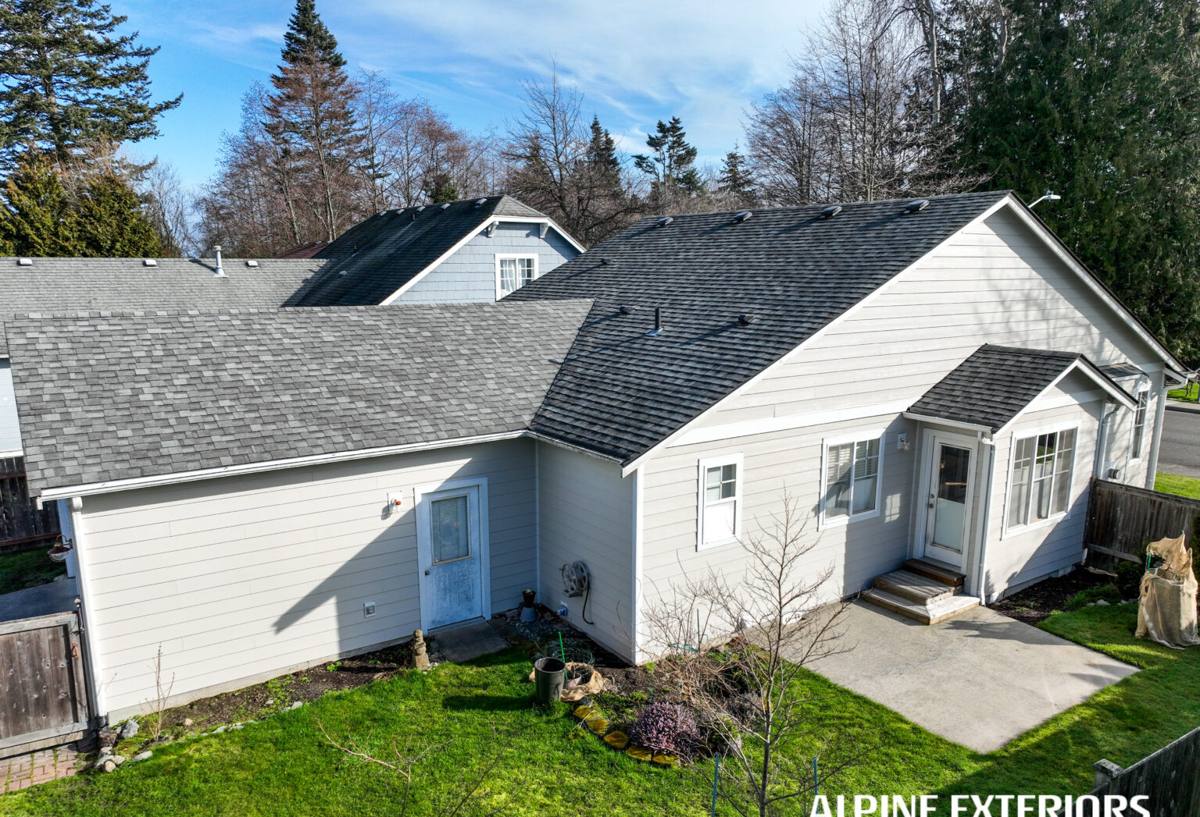
What the Climate Does to Similk Beach Homes
Salt Air and Coastal Exposure
Waterfront and near-waterfront properties take on airborne salt that settles on exterior surfaces, accelerates corrosion on fasteners and trim, and works its way into any gap or seam in the siding envelope. Over years, this steady exposure breaks down finishes and adhesives faster than it would twenty miles inland. Siding that isn't rated or engineered for marine conditions tends to show its age early — chalking, fading, or softening well before a homeowner expects to think about replacement.
Driving Rain and Wind-Driven Moisture
Storms off the Salish Sea don't just fall straight down here — wind pushes rain sideways into wall assemblies, and that matters enormously for how siding is installed, not just what it's made of. Gaps, poor flashing, or the wrong fastening pattern become moisture entry points during a real Pacific Northwest storm in a way they might not in a drier climate. This is one of the biggest reasons installation quality matters as much as product choice.
Moss, Shade, and a Long Damp Season
Similk Beach's tree cover is part of the area's character, but shaded, wooded lots stay damp longer after every rain, and moss and algae find plenty of surfaces to establish on through the fall, winter, and spring. Siding that holds moisture at the surface — through a porous substrate, a failing paint film, or wood fibers that swell and contract — gives moss and mildew a foothold that's genuinely difficult to keep ahead of with cleaning alone.
Why We Only Install James Hardie Fiber Cement
We made a deliberate decision years ago to standardize on James Hardie siding and stop installing other products, including vinyl, LP SmartSide, primed wood, cedar, and other fiber cement brands like Cemplank or Allura. That's not a marketing position — it's a practical one, built around what actually holds up in Skagit County's marine climate.
- Non-combustible material — fiber cement doesn't feed a fire the way wood-based siding can, which matters for insurance conversations and wildfire-adjacent risk even in a coastal county.
- Engineered for moisture, not just painted against it — Hardie's fiber cement formulation resists swelling, rot, and moisture intrusion in a way wood-based products structurally cannot.
- ColorPlus factory finish — baked-on color that resists fading and chalking far longer than field-applied paint, which matters when salt air and UV are both working against a finish.
- Climate-engineered HZ product lines — Hardie manufactures HZ5 formulations specifically for regions with more moisture exposure, which fits this part of Washington better than a one-size-fits-all product.
- A strong, transferable warranty — backed by a large, established manufacturer, which carries real weight if a future homeowner needs to make a claim.
We're upfront that other products have real strengths. Vinyl is inexpensive and low-maintenance in mild climates. LP SmartSide is engineered wood with a reasonable track record when kept dry. Cedar has a look some homeowners genuinely prefer. But in a marine, high-moisture, salt-air environment like Similk Beach, we've seen enough of these products underperform that we stopped putting our name behind installing them. Fiber cement, installed correctly, is what we trust on our own reputation.
How We Approach a Similk Beach Siding Project
Assessment Before Anything Else
Every project starts with a look at the existing siding, the wall assembly behind it, and any signs of moisture that have already worked their way in — soft spots, staining, bubbling paint, or visible rot at trim and corners. On wooded or shaded lots, we also look closely at how much sun exposure different elevations get, since north- and east-facing walls near tree cover often need more attention to drying and ventilation detail.
Installation Detail That Matches the Climate
Correct fastening patterns, proper clearances at grade and roof lines, and careful flashing and caulking at every penetration are what actually keep wind-driven rain out of a wall assembly. This is where a lot of siding failures originate — not in the product itself, but in shortcuts taken during installation. We follow Hardie's published installation specifications closely because deviating from them is one of the most common ways a warranty ends up voided and a wall ends up wet.
A Full Exterior View
Because we also handle roofing, windows, and decks, we look at a Similk Beach home's exterior as one connected system rather than siding in isolation. A roof that's shedding water onto a wall, a window that's no longer sealing correctly, or a deck ledger board tied into the siding can all undermine a new siding job if they're not addressed together. When it makes sense, we'll flag those issues even if the immediate ask was just siding.
Comparing Siding Options for a Marine Climate
| Material | Moisture Behavior | Maintenance | Typical Lifespan |
|---|---|---|---|
| James Hardie Fiber Cement | Engineered to resist swelling and rot; HZ5 formulation for wetter regions | Occasional washing; factory finish reduces repainting | 30+ years with proper install |
| Vinyl Siding | Doesn't rot, but can warp and gap under wind-driven rain and temperature swings | Low, but seams and edges collect moisture and grime | 15-25 years typical |
| LP SmartSide (engineered wood) | Vulnerable at cut edges and seams if moisture gets in | Moderate; edge sealing and inspection matter | Varies widely with install quality |
| Cedar / Primed Wood | Absorbs moisture readily; prone to swelling, checking, rot in shaded areas | High — regular repainting/staining and moss treatment | 10-20 years without heavy upkeep |
Cost Factors Specific to This Area
- Access and lot layout — wooded or sloped lots common near Similk Beach can affect staging and material handling.
- Extent of existing moisture damage — sheathing or framing repair behind old siding adds cost but shouldn't be skipped.
- Elevation-specific detailing — shaded, north-facing walls may need extra attention to flashing and drainage.
- Trim and corner complexity — homes with more architectural detail take more labor to finish correctly.
- Coordinating with roofing, windows, or decks — bundling exterior work can reduce overlap and repeat mobilization costs.
Signs a Similk Beach Home May Need Siding Attention
- Persistent moss or dark streaking that returns quickly after cleaning
- Soft or spongy spots when pressed, especially near the bottom edges or trim
- Visible gaps, warping, or separation at seams and corners
- Paint that's chalking, peeling, or bubbling on a shortened cycle
- Musty smell or interior wall staining that suggests moisture intrusion
- Siding that's visibly faded or discolored unevenly by sun and shade exposure
Why a Local Crew Matters Here
Anacortes and the surrounding Skagit County waterfront communities, including Similk Beach, aren't generic Pacific Northwest suburbs — the combination of salt exposure, wind direction off the water, and heavy tree cover creates conditions that a crew unfamiliar with this specific coastline can underestimate. We work in this area regularly, which means we're not guessing at how a north-facing wall under fir trees behaves differently than a south-facing wall in the open, or how much additional flashing detail a waterfront-adjacent home needs compared to one further inland. That local, repeated exposure to this exact climate is part of what keeps a siding job performing the way it should for decades, not just for the first few years.
Get an Estimate for Your Similk Beach Home
If you're noticing moss, soft spots, fading, or you're simply planning ahead for a home in this part of Skagit County, we're happy to take a look and give you an honest read on what your siding actually needs. There's no pressure and no obligation — just a straightforward assessment from a crew that installs one product because we trust it in this climate. Reach out below for a free estimate.