 Anacortes Siding
 Siding Installation in Similk Beach: What the Location Demands
Similk Beach sits along the shoreline on Fidalgo Island in Skagit County, close enough to open water that the siding on a house here works harder than siding a few miles inland in Anacortes. Salt-laden air moves through constantly, wind-driven rain gets pushed sideways into wall assemblies instead of just falling straight down, and tree cover in and around the neighborhood keeps north- and west-facing walls damp and shaded for long stretches of the year. That combination is exactly the kind of environment where a mediocre siding install fails early and a correct one keeps a home dry, sound, and good-looking for decades.
This page focuses on one service, in one place: siding installation for Similk Beach homes. Not a general overview of siding options, and not a citywide pitch — what this specific stretch of shoreline needs from its siding, what a correct installation actually involves, and why the details matter more here than they do in a drier, more sheltered part of the county.
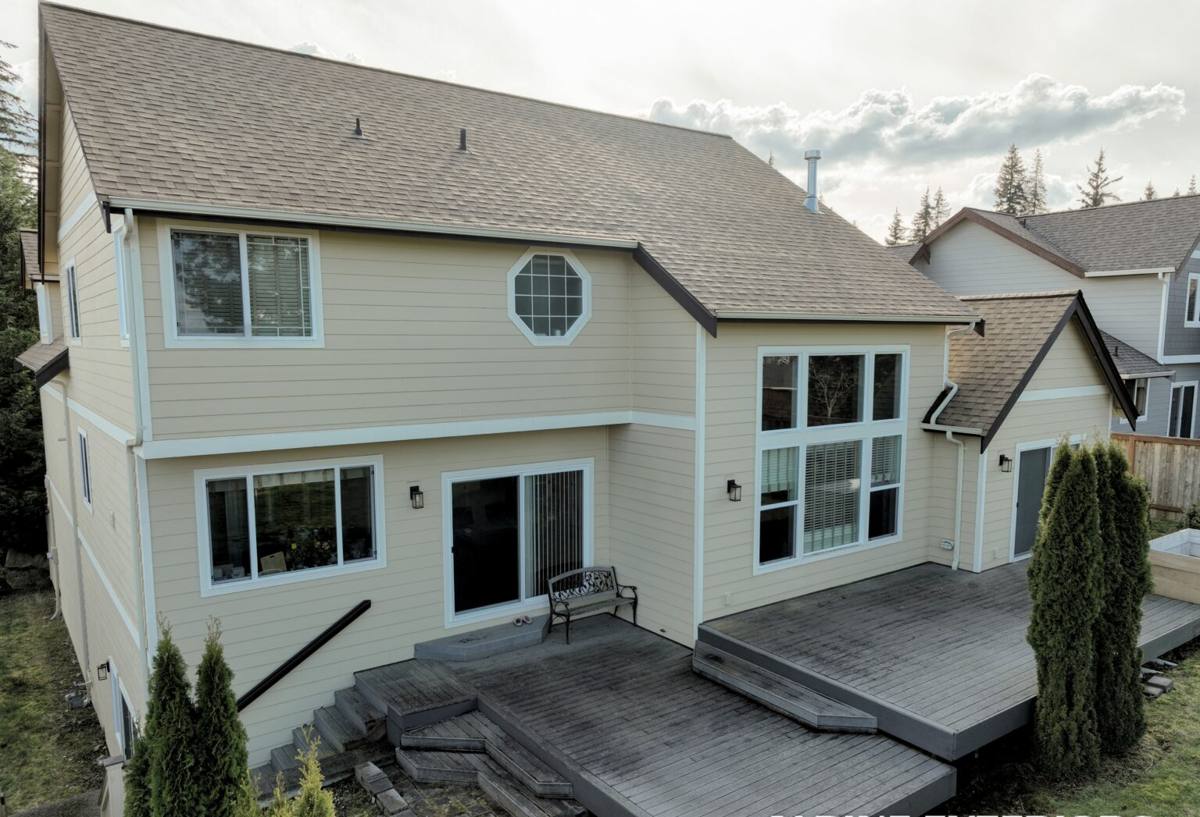
Why Similk Beach Homes Take a Beating
Salt Air and Fastener Corrosion
Airborne salt doesn't just sit on the surface of a wall — it works into every metal component on the exterior: nails, screws, flashing, trim fasteners. Over years, uncoated or under-specified fasteners corrode, stain the siding around them, and eventually lose holding power. Choosing corrosion-resistant fasteners and flashing metals isn't optional this close to the water; it's the difference between siding that stays tight for 30-plus years and siding that starts showing rust streaks and loose boards within a decade.
Wind-Driven Rain and Wall Assemblies
Rain that comes in sideways behaves very differently than rain falling straight down. It gets pushed up under laps, into butt joints, and around window and door trim that would stay dry in a calmer location. A wall assembly built for this needs a continuous water-resistive barrier, correctly lapped flashing at every penetration, and siding installed with the reveals and fastener placement the manufacturer actually specifies — not just "close enough."
Moss, Algae, and Shade
Shaded, damp walls grow moss and algae. It's not just cosmetic — sustained moisture against a wall surface is what shortens the life of moisture-sensitive siding materials and keeps paint and caulk from holding up. Skagit County's long wet season, combined with the tree cover common around Similk Beach properties, means some walls stay damp for months at a stretch. Siding material and installation detailing both need to account for that reality, not just the average Pacific Northwest forecast.
Why We Install Only James Hardie Fiber Cement Siding Here
We install James Hardie fiber cement siding exclusively — not as a sales preference, but because it's the product that holds up to the specific punishment a shoreline Skagit County wall takes. Fiber cement is non-combustible, dimensionally stable, and doesn't absorb moisture the way wood or wood-based products do, so it doesn't swell, cup, or rot from repeated wetting. Hardie's HZ5 product line is engineered specifically for climate zones like ours, with formulation and testing aimed at freeze-thaw cycling, moisture exposure, and coastal conditions rather than a one-size-fits-all national spec. The factory-applied ColorPlus finish is baked on under controlled conditions and backed by its own finish warranty, which holds up to sun, salt air, and driving rain far better than a coat of field-applied paint that has to cure on-site in Pacific Northwest weather.
We don't install vinyl, LP SmartSide, Cemplank, Allura, primed spruce, or cedar, and we're upfront about why. Vinyl expands and contracts with temperature swings, its seams and J-channels give wind-driven rain places to work its way behind the cladding, and it doesn't hold paint if a homeowner ever wants to change the color. Engineered wood products like LP SmartSide use wood strand cores that are more moisture-sensitive at cut edges and fastener penetrations than fiber cement, which matters in a climate this wet. Solid wood and primed spruce look good going up, but they need ongoing maintenance — painting, caulking, checking for rot — that most homeowners underestimate, and a missed cycle in a damp, shaded location can mean real damage before it's visible. None of that means those products are junk; it means they carry trade-offs we're not willing to install and then walk away from. Fiber cement, installed correctly, is the product we're comfortable standing behind on a Similk Beach house.
What a Correct Siding Installation Involves
The material is only half the equation. A James Hardie installation done to spec involves a specific sequence, and skipping steps is exactly how a good product fails early:
- Full tear-off of the old siding and inspection of the sheathing underneath for hidden rot or water damage, with repairs made before anything new goes up
- A continuous, correctly lapped water-resistive barrier over the sheathing
- A drainage gap or rainscreen detail where the wall assembly and exposure call for it, so any water that does get behind the cladding has somewhere to go
- Properly lapped and sealed flashing at every window, door, and penetration — this is where most siding failures actually start
- Corrosion-resistant, manufacturer-approved fasteners driven at the correct spacing and depth — not overdriven, which cracks fiber cement and voids the warranty
- Caulking only where James Hardie's installation instructions call for it, using a caulk rated for the exposure, not caulk everywhere as a catch-all
- Correct clearance from grade, roofing, decks, and other surfaces so the siding never sits in standing water or gets buried by landscaping
Every one of those steps is documented in James Hardie's published installation instructions. Following them isn't a bonus — it's what keeps the product warranty valid and what actually keeps water out of the wall.
Comparing Materials for a Similk Beach Exposure
Homeowners often ask why the material choice matters as much as we say it does. Here's how the common options actually compare under salt air, driving rain, and heavy shade — the specific conditions this neighborhood deals with:
| Material | Moisture & Salt Air Performance | Maintenance Burden | Finish Durability |
|---|---|---|---|
| James Hardie Fiber Cement (HZ5) | Engineered for this climate zone; does not rot, swell, or support moisture-driven decay | Low — occasional wash-down, no repainting cycle | Factory ColorPlus finish, separately warrantied |
| Vinyl Siding | Won't rot, but seams and channels can let wind-driven rain track behind the cladding | Low, but limited repair options if panels crack or fade | Color molded in; cannot be repainted without special primers |
| LP SmartSide (Engineered Wood) | Wood-strand core is moisture-sensitive at cut edges and fastener points | Moderate — cut edges and joints need ongoing sealing attention | Factory-primed or finished, but wood substrate limits long-term moisture margin |
| Cedar / Primed Spruce (Wood) | Absorbs moisture readily; most vulnerable to rot in shaded, damp conditions | High — regular painting, caulking, and rot inspection required | Field-applied finish, shortest recoat interval in this climate |
This is exactly why we standardized on one product instead of offering all of them. In a drier inland climate, some of these trade-offs matter less. On a shoreline wall in Skagit County, they show up fast.
Our Process From Estimate to Finished Job
- On-site assessment of the existing siding and wall condition, including a check for hidden moisture or sheathing damage where it's likely given the home's exposure and orientation
- A written scope of work covering product line, color, trim details, and any sheathing repair or drainage detailing the site needs
- Full removal of the old siding and repair of any damaged sheathing before anything new is installed
- Installation of the water-resistive barrier and flashing at every window, door, and penetration
- James Hardie siding installed to manufacturer specification — correct fastener type, spacing, and reveal
- Trim, caulking, and touch-up work finished to match the ColorPlus factory finish
- Final walkthrough with the homeowner and full site cleanup
Weather windows in Skagit County matter for scheduling — driving rain days aren't ideal for tear-off and barrier installation, so timing the job around the forecast is part of doing it right rather than rushing to hit a deadline.
What to Ask Before Hiring a Siding Contractor in Similk Beach
Not every contractor who says they "do siding" is set up to do it correctly on a shoreline exposure like this one. Before hiring anyone, it's worth asking:
- Are you licensed, bonded, and insured to do exterior work in Washington State?
- Do you have manufacturer training or certification specific to James Hardie fiber cement installation?
- Can you walk me through your flashing and drainage detailing before the quote, not just after I ask?
- Does your written scope specify fastener type, spacing, and caulking locations, or is it vague about the actual installation method?
- How do you handle sheathing repair if you find hidden rot once the old siding comes off?
- What does the warranty actually cover — labor, the product, or both — and for how long?
A contractor who answers these clearly and specifically, without hesitation, is one who's done this work enough times to know why it matters.
Caring for Hardie Siding After Installation
Fiber cement installed correctly is low-maintenance, but "low-maintenance" doesn't mean "no maintenance," especially in a shaded, coastal setting. A periodic soft wash-down removes the moss and algae film that builds up on north- and west-facing walls under tree cover, before it has a chance to hold moisture against the surface. It's worth checking caulk lines around windows and trim every year or two, since caulk is the one component in the system that ages faster than the siding itself. Keeping gutters clear and functioning matters too — overflowing gutters dump water straight down the wall face, undermining even a well-installed system. Trimming back vegetation that's crowding a wall helps airflow and sun exposure reach the siding, which cuts down on how much moss growth there is to deal with in the first place.
Why Local Experience in Similk Beach Matters
A crew that has already worked this stretch of shoreline knows which walls on a given lot take the brunt of wind-driven rain based on orientation to the water, how much shade a property's tree line actually casts through the year, and which details tend to need extra attention because of how exposed the site is. That's knowledge that comes from doing the work here repeatedly, not from a general siding background somewhere drier or more sheltered. It also means fewer surprises during permitting and inspection with local jurisdictions, and a more accurate estimate from the first site visit, because the crew has seen this kind of exposure before and knows what to look for.
If you're planning a siding project for a home in Similk Beach, we're happy to take a look and talk through what your specific property needs — no pressure, no obligation. Request a free estimate using the form below and we'll walk the site with you.