 Anacortes Siding
 Similk Beach's Siding Problem Isn't Like Everyone Else's
Homes around Similk Beach sit close to the water on Fidalgo Island, which means siding here takes a different kind of beating than a house a few miles inland in Anacortes proper. Salt-laden air off the bay works into seams and fastener heads year-round. Wind-driven rain comes in sideways during fall and winter storms, hitting wall sections that a standard weather forecast wouldn't flag as exposed. And the tree cover that makes this stretch of Skagit County so pleasant to live in also means less direct sun on north- and east-facing walls — perfect conditions for moss, algae, and lingering surface moisture.
None of this is exotic. It's the normal price of living near Puget Sound. But it does mean siding decisions that work fine in a dry inland climate can fail early out here, and it's why we treat Similk Beach as its own case rather than applying a one-size-fits-all spec.
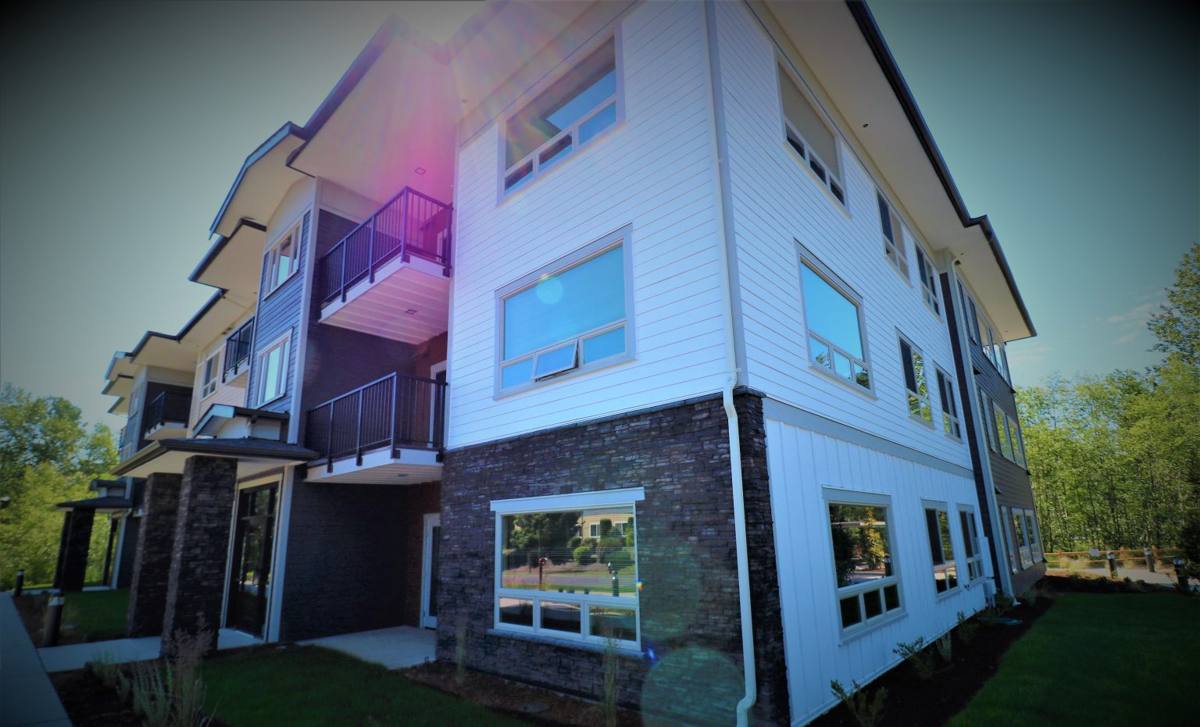
What Salt Air, Rain, and Moss Actually Do to Siding
Salt air
Airborne salt is mildly corrosive and hygroscopic — it pulls moisture out of the air and holds it against whatever surface it lands on. Over years, that means accelerated corrosion on exposed metal fasteners and trim, and a slow breakdown of any paint or coating that isn't formulated to handle it. Siding with a weak factory finish will chalk, fade, or peel noticeably faster on a waterfront lot than the same product would a few miles away.
Driving rain
Rain that comes in at an angle doesn't just wet the face of the siding — it tests every seam, joint, and penetration. A siding system with weak flashing details or no drainage plane behind it will eventually let water track behind the cladding, where it can sit against sheathing and framing unseen for months.
Moss and algae
Shaded, damp wall sections near the tree line grow moss and algae faster than open, sun-exposed walls. This isn't just cosmetic — sustained organic growth holds moisture against the siding surface and, on materials that aren't dimensionally stable or properly sealed, can accelerate wear at the exact spots already prone to trapped water.
Why Fiber Cement Is the Right Material for This Environment
Fiber cement doesn't rot, it doesn't feed insects, and it doesn't swell and shrink with moisture the way wood-based products do. That matters directly in a spot like Similk Beach because the failure modes that hit other sidings — water absorption at cut edges, organic decay, coating breakdown from salt exposure — are exactly what fiber cement is engineered to resist when it's installed correctly.
We install James Hardie exclusively, not because there's no other fiber cement product on the market, but because of how the pieces fit together as a system: a factory-applied ColorPlus finish that's baked on and warranted against fading and flaking, HardieZone engineering that accounts for regional moisture and temperature exposure, and a manufacturer track record long enough that we trust the transferable warranty behind it. We've made a professional call not to install competing fiber cement brands, primer-only wood siding, or vinyl — not because those products have no legitimate use anywhere, but because we don't think they hold up to this specific climate as well as a correctly installed Hardie system, and we'd rather stand fully behind one system than split our expertise across several.
What a Correct Installation Actually Involves
The material is only half the equation. Fiber cement siding fails early almost exclusively because of installation mistakes, not product defects. For a Similk Beach home, the details that matter most are:
- A drainage plane behind the siding — a weather-resistive barrier and, ideally, a rainscreen gap so any moisture that does get behind the cladding can drain and dry rather than sit against the sheathing.
- Correct fastener placement and type — Hardie specifies fastener size, spacing, and embedment depth precisely; over-driven or under-driven nails are one of the most common causes of early siding failure.
- Proper flashing at every penetration — windows, doors, hose bibs, light fixtures, and deck ledgers all need flashing details that shed water outward, not just caulk covering a gap.
- Correct clearances — siding needs to sit clear of grade, roofing, and decks by the manufacturer's minimums so splash-back and standing water don't sit against the bottom edge.
- Factory-cut edges sealed where field-cut — any edge cut on site needs to be primed and sealed per Hardie's install spec so raw cut edges aren't left exposed to moisture.
Skip any one of these and you can end up with siding that looks fine for a couple of years and then starts showing problems at exactly the joints and penetrations most exposed to wind-driven rain.
Our Process on Similk Beach Jobs
- On-site assessment — we look at wall exposure by direction, existing moisture damage, current siding condition, and any trouble spots specific to the lot (tree cover, water proximity, wind exposure).
- Tear-off and sheathing check — old siding comes off and we inspect the sheathing underneath for rot or existing water damage before anything new goes up. This step matters more here than in a dry inland lot.
- Weather barrier and drainage plane installation — installed per manufacturer spec, with attention to the seams and laps that actually determine whether water sheds correctly.
- Flashing at every penetration — windows, doors, and any wall-mounted fixtures get flashed before siding goes on, not caulked after.
- Hardie panel or plank installation — fastened, spaced, and clearanced to spec, with cut edges sealed.
- Final detailing and walkthrough — trim, caulking at the appropriate joints (not everywhere — over-caulking can trap moisture), and a walkthrough so you know exactly what was done and why.
Fiber Cement vs. Other Siding Options in This Climate
| Factor | James Hardie Fiber Cement | Vinyl | Untreated/Primed Wood |
|---|---|---|---|
| Salt air resistance | Strong — factory finish engineered for weathering | Moderate — can chalk and become brittle over time | Weak — coatings break down faster, inviting moisture entry |
| Moisture/rot resistance | Does not rot; non-organic material | Won't rot but can trap moisture behind panels if installed poorly | Prone to rot and insect damage if any coating fails |
| Moss/algae impact | Surface growth is cosmetic; doesn't compromise material | Similar — mostly cosmetic | Growth can accelerate decay at damaged spots |
| Fire resistance | Non-combustible | Combustible, can melt/deform near heat | Combustible |
| Typical repaint/refinish cycle | Factory finish rated for many years before repainting needed | Doesn't repaint well; color is baked into the material itself | Repaint every few years to maintain protection |
Signs a Similk Beach Home Needs New Siding Now
- Soft spots or visible warping when you press on the siding surface
- Paint that's peeling, bubbling, or chalking heavily, especially on shaded or water-facing walls
- Persistent moss or dark staining that comes back quickly after cleaning
- Visible gaps or separation at seams, corners, or trim boards
- Rising energy bills that suggest air and moisture are getting past the wall assembly
- Rust streaking from fastener heads or exposed metal trim
Why Hiring a Crew That Already Works Similk Beach Matters
A crew that regularly works this stretch of Skagit County already knows which wall orientations on a waterfront lot need the most attention, how much rain exposure to plan for during install scheduling, and where moss and trapped moisture tend to show up first. That's not something you get from a general install spec — it comes from doing the work in this specific environment repeatedly. It also means faster, more accurate estimates, because we're not guessing at what your particular lot and exposure will require.
What Affects Cost on a Job Like This
| Cost Factor | Why It Matters |
|---|---|
| Home size and wall complexity | More corners, gables, and penetrations mean more flashing and cutting labor |
| Existing sheathing condition | Rot or water damage found during tear-off adds repair scope before new siding goes up |
| Siding profile chosen | Lap, shingle, and panel styles differ in material and labor cost |
| Access and site conditions | Waterfront lots with limited access or steep grades can add setup time |
| Trim and accessory scope | Corner boards, window trim, and fascia work add to the total beyond the field siding itself |
We don't quote a job until we've actually looked at the walls, because guessing at scope on a waterfront property tends to be wrong in one direction or the other.
If you're weighing a siding replacement for a home near Similk Beach, we're glad to come take a look and walk you through what your specific walls need — no pressure, no obligation. Use the form below to request a free estimate.