 Anacortes Siding
 Why Similk Beach Homes Ask About Window Upgrades
Similk Beach sits close enough to the water that homeowners feel the difference in their windows before they see it — a draft along the sash on a windy night, condensation pooling on the inside of the glass by morning, or a heating bill that climbs every winter no matter how careful you are with the thermostat. Older single-pane and early dual-pane windows in this part of Anacortes tend to fail from the inside out. The seals go first, then the frame starts absorbing moisture it was never built to handle, and by the time you notice the fog between panes, the unit is already beyond a simple fix.
We install and replace windows for homes throughout Similk Beach and the surrounding Skagit County shoreline, and the pattern is consistent: proximity to salt air, near-constant marine moisture, and driving rain off the water put more stress on window seals, frames, and flashing than homes even a few miles inland ever see. A window that would last two decades in a drier climate can start showing real wear here in half that time if it wasn't installed with this exposure in mind.
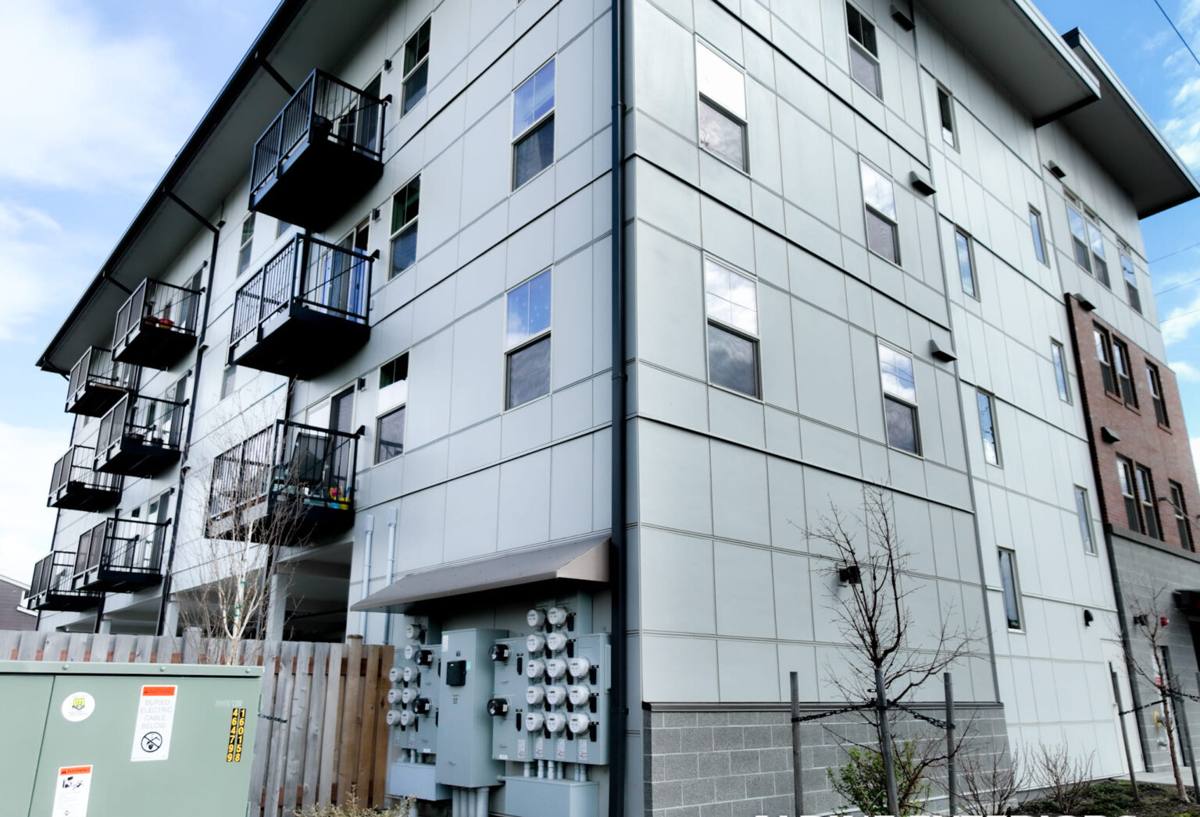
What This Climate Actually Does to Windows
Salt Air and Metal Fatigue
Salt-laden air corrodes exposed fasteners, hinges, and cheaper aluminum components faster than plain moisture alone. Once corrosion starts on hardware, seals around that hardware start failing too, and what began as a cosmetic issue becomes a water intrusion problem.
Driving Rain and Wind-Driven Water
Anacortes and the Similk Beach area take rain that doesn't just fall — it gets pushed sideways by wind off the water. Windows here need proper flashing, sill pans, and weep systems that actually direct water back outside rather than trusting caulk alone to keep it out. A window that's watertight in a still rain can still leak in a wind-driven one if the flashing detail was cut short.
The Long Moss Season
Western Washington's extended damp season means moss and algae get a foothold anywhere moisture sits — on sills, in frame corners, along poorly sloped exterior trim. Beyond looking bad, sustained organic growth holds moisture against wood trim and frames, which accelerates rot in exactly the areas that are hardest to inspect from the ground.
Signs a Similk Beach Home Needs Window Attention
- Fogging or haze between panes of a dual-pane window — the seal has failed and the gas fill (or trapped air) is gone
- Visible condensation on interior glass during cold snaps, especially on north- or water-facing walls
- Soft or discolored wood on the sill or lower frame corners
- Drafts you can feel by hand along the sash or where the frame meets the siding
- Difficulty opening, closing, or latching a window that used to operate smoothly
- Visible gaps, cracked caulk, or missing sealant around the exterior frame
- Rooms near windows that feel noticeably colder or warmer than the rest of the house
What "Energy-Efficient" Actually Means Here
Energy efficiency isn't one feature — it's a combination of glass, frame material, and installation quality working together. For a marine climate like Similk Beach, we weigh a few things beyond the standard efficiency rating:
| Factor | Why It Matters Locally |
|---|---|
| Low-E glass coatings | Reduce heat transfer year-round; especially useful given our mix of cool, wet winters and bright summer sun off the water |
| Argon or krypton gas fill | Improves insulation between panes; this is the seal that fails first if installation quality is poor, so workmanship matters more than the spec sheet |
| Frame material | Vinyl and fiberglass resist moisture and salt corrosion far better than untreated aluminum or unclad wood in this environment |
| Multi-point locking hardware | Pulls the sash tight against the frame for a better seal, which also helps with the driving rain we get off the Sound |
| Proper flashing and sill pan | Determines whether wind-driven rain stays out — this is an installation detail, not a product spec, and it's where most window failures actually start |
We bring this up because a high-efficiency window installed with a shortcut flashing detail will still leak and still lose its seal early. In this climate, the installation matters as much as the glass package you choose.
Our Process for a Similk Beach Window Job
1. On-Site Assessment
We look at each opening individually — not just the window itself but the condition of the surrounding framing, siding, and any existing water staining. A window replacement is also a chance to catch hidden rot or flashing problems before they get sealed back up behind new trim.
2. Product Selection Based on Exposure
A window on the water-facing side of a Similk Beach home has different demands than one tucked under an eave on the leeward side. We talk through frame material, glass package, and hardware options based on where the window actually sits, not a one-size answer for the whole house.
3. Removal Without Collateral Damage
Old windows come out carefully so we don't tear up more siding or trim than necessary. If we find soft framing or old water damage during removal, we stop and talk to you before proceeding — that's not an upsell, it's the only way to guarantee the new window won't just fail the same way in a few years.
4. Flashing and Sill Pan First
Before the new window ever goes in, we build a proper drainage path — sill pan, flashing tape, and weep provisions — so any water that does get behind the exterior cladding has somewhere to go besides your wall framing. This step is invisible once the job is done, and it's also the single biggest factor in whether a window installation holds up on the coast.
5. Setting, Shimming, and Sealing
The window gets set level and plumb, shimmed correctly so it isn't relying on fasteners alone to hold its shape, then sealed with materials rated for exterior, marine-adjacent exposure — not generic interior-grade caulk that will crack and shrink within a season or two.
6. Interior and Exterior Finish
Trim gets reinstalled or replaced to match, and we walk the operation of every window with you before we call the job done — opening, closing, and locking should all feel smooth, not stiff or sticky.
Common Mistakes We See in This Area
- Caulk used as the primary water barrier instead of proper flashing and a sill pan
- Uncoated or poorly treated aluminum hardware that corrodes quickly in salt air
- New windows installed over rotted or undetected damaged framing
- Skipped or minimal weep systems, trapping water instead of draining it
- Trim reinstalled tight against the siding with no room for the assembly to shed water
Every one of these is a shortcut that looks fine on installation day and shows up as a problem two or three winters later — which is exactly the kind of failure homeowners in wetter, wind-exposed parts of Skagit County run into most often.
Maintenance That Extends the Life of New Windows
Even a well-installed window benefits from basic upkeep in this climate:
- Rinse salt residue off exterior glass and frames periodically, especially after storms
- Keep weep holes clear of debris, moss, and dirt so water can actually drain
- Inspect exterior caulk lines annually and touch up before gaps widen
- Trim back vegetation that holds moisture against the frame or blocks airflow
- Address any soft trim or discoloration early, before it spreads to the frame itself
Cost Factors to Expect
Window project costs vary based on size, quantity, frame material, glass package, and how much (if any) repair work is needed around the opening. Rather than quote a number that won't reflect your actual home, we walk each opening in person and give you a written estimate with the reasoning behind it — including whether we found anything during inspection that changes the scope.
| What Affects Price | Why |
|---|---|
| Frame material (vinyl vs. fiberglass vs. clad wood) | Material cost and long-term durability trade-offs differ significantly |
| Number of windows replaced at once | Bundling openings typically reduces per-unit labor cost |
| Hidden framing or rot repair | Only discovered once old windows are removed; addressed with your approval before proceeding |
| Custom sizes or shapes | Non-standard openings require custom ordering and more installation time |
| Glass package (Low-E coatings, gas fill, tempered glass where required) | Higher-performance glass costs more but reduces long-term energy loss |
Why Local Installation Experience Matters
A window installer who mostly works drier, inland jobs may not build in the same margin for wind-driven rain or salt exposure that a Similk Beach home actually needs. Crews that regularly work this stretch of Skagit County know which details — flashing sequence, hardware selection, sealant type — aren't optional here, even if they'd be fine somewhere else. That experience shows up years later in whether the seals still hold and the frames are still solid, not on installation day when everything looks new regardless of how it was done.
If you're noticing drafts, fogged glass, or sticking windows in your Similk Beach home, we're happy to take a look and walk you through what we find — no pressure, no obligation. Reach out below for a free estimate.