 Anacortes Siding
 Siding Repair for Similk Beach Homes
Similk Beach sits along the water on the approach to Anacortes, and homes out here deal with a different set of conditions than a house tucked inland in Skagit County. The combination of salt-laden air off the water, wind-driven rain that comes in sideways during winter storms, and a long, damp moss season means siding here ages faster and fails in different ways than siding on a sheltered lot a few miles away. When something goes wrong — a cracked panel, a soft spot near a window, a section that's pulling away from the wall — it needs a repair that accounts for those conditions, not a generic patch job.
This page covers what siding repair actually looks like for a Similk Beach property: what to watch for, what a correct repair involves, and why the details matter more here than they would somewhere drier and further from the shoreline.
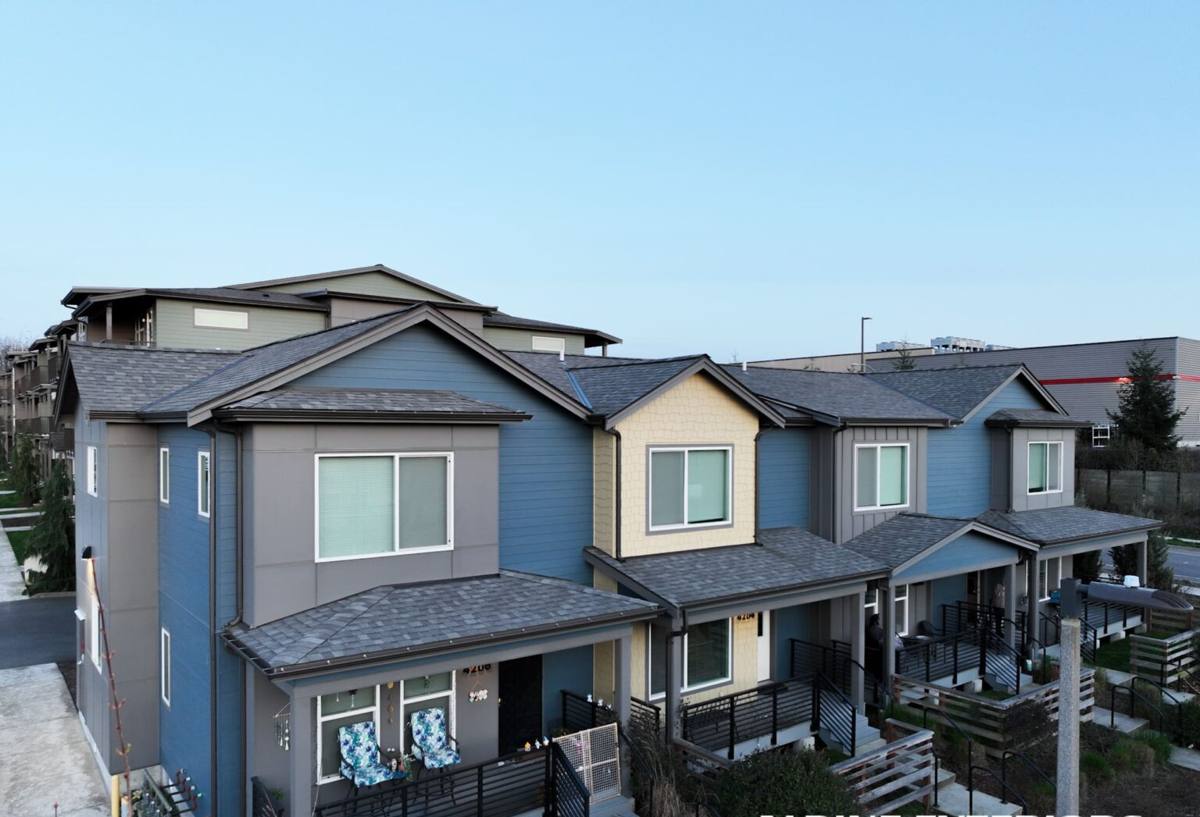
Why Similk Beach Siding Takes Extra Abuse
Salt Air
Homes near the water deal with airborne salt that settles on every exterior surface. Over years, that salt exposure accelerates corrosion on fasteners, trim flashing, and any metal components tied into the siding system. If a previous repair or original install used the wrong fastener or left flashing exposed, salt air will find that weak point faster than it would inland.
Driving Rain
Wind off the water doesn't just drop rain straight down — it pushes it sideways, into laps, seams, and any gap where siding meets trim, windows, or doors. Siding systems are built to shed water when installed correctly, but driving rain finds any shortcut in the original install: a missing kick-out flashing, a caulked joint that should have been lapped, a butt seam that wasn't properly backed. Those shortcuts show up as soft spots, staining, or bubbling paint years later.
Moss and Sustained Moisture
Skagit County's wet season runs long, and shaded or north-facing walls near the water can stay damp for weeks at a stretch. That's exactly the environment moss and mildew need. Moss holding moisture against a wall surface keeps that section wetter, longer, than the rest of the house — which is why repair needs often cluster on the same one or two walls of a home rather than being spread evenly around it.
Signs a Section Needs Repair
Most siding problems don't start as an emergency — they start small and get worse if the underlying cause isn't addressed. Common signs we see on Similk Beach homes include:
- Panels that are cracked, chipped, or visibly separating at a seam
- Soft or spongy spots when pressed, especially low on the wall or under windows
- Peeling or bubbling paint in one concentrated area rather than across the whole house
- Dark staining or streaking that doesn't wash off, often near roof-wall intersections
- Visible gaps where siding meets trim, corner boards, or window and door casings
- Moss or algae buildup that keeps coming back on the same wall section
- Nail heads backing out or fasteners showing rust stains
Any one of these on its own might be a straightforward repair. Several of them clustered in the same area usually means there's a moisture source behind the siding that needs to be found before the surface is patched.
Repair vs. Replacement: Making the Right Call
Not every damaged section needs a full re-side, and not every problem should be patched and left alone. The honest answer depends on how far the damage has spread and what's happening behind the siding, not just what's visible on the surface.
| Situation | Likely Approach |
|---|---|
| Isolated cracked or damaged panel, sound sheathing behind it | Cut out and replace the affected piece, matched to existing siding |
| Repeated soft spots concentrated on one wall | Investigate for a moisture source (flashing, caulk failure) before repairing |
| Widespread cracking or fading across most of the house | Repair may only be a short-term fix; replacement is often more cost-effective long term |
| Rot found in sheathing or framing behind the siding | Repair extends beyond siding into structural repair before new siding goes back on |
| Original material is a discontinued or mismatched product | Full section or elevation replacement may be needed to get a consistent look |
We'll always tell you plainly which category your situation falls into. A patch that just covers up a moisture problem doesn't do a Similk Beach homeowner any favors — it just delays a bigger repair.
What a Correct Repair Actually Involves
Diagnosis Before Demolition
Before removing anything, we check what's happening behind the visible damage. That means looking at flashing details around windows, doors, and roof lines, checking whether housewrap or building paper is intact, and probing for soft sheathing near the damaged area. Repairing the surface without checking what's underneath is how the same problem comes back in two years.
Matching Material and Reveal
Fiber cement siding comes in specific plank widths, textures, and exposures. A repair that uses the wrong reveal or a slightly different texture stands out immediately, even under paint. We match the existing profile as closely as the product line allows, and where an exact match isn't available, we'll tell you honestly rather than installing something that will look patched.
Proper Flashing and Water Management
Every repair is an opportunity to fix a detail that failed the first time. That means correct head flashing above windows and doors, proper lapping at horizontal seams, and drainage gaps where needed — not just caulk over a gap and a fresh coat of paint. Given how much driving rain this stretch of coastline sees, this step matters more here than almost anywhere else in the county.
Fasteners Rated for the Environment
Given the salt air near the water, fastener choice matters. We use fasteners appropriate for coastal exposure so the repair doesn't develop rust streaks or loosen prematurely — a detail that's easy to skip and expensive to have skipped when it fails.
Finish and Touch-Up
Where the repair involves factory-finished ColorPlus siding, we handle color matching carefully since factory finish and field-applied touch-up paint don't always behave identically over time. We'll walk you through what to expect on visibility of the repair line before we start.
Our Repair Process
- On-site inspection — we look at the damaged area and the surrounding wall, not just the spot you called about, since related issues often hide nearby.
- Diagnosis — we identify whether the cause is a failed flashing detail, a caulk or sealant failure, impact damage, or long-term moisture exposure.
- Written scope — you get a clear explanation of what needs to happen, what it will cost, and why, before any work starts.
- Material sourcing — we source matching James Hardie product in the correct profile and finish.
- Repair and water-detailing — damaged material is removed, any underlying issue is addressed, and the section is reinstalled with correct flashing and fastening.
- Cleanup and walkthrough — we clean up debris and walk the repair with you so you know exactly what was done.
Why We Only Repair With James Hardie Fiber Cement
We install and repair exclusively with James Hardie fiber cement siding — we don't work with vinyl, LP SmartSide, or other fiber cement brands. For repairs specifically, that focus matters: fiber cement doesn't warp, doesn't attract insects, and stands up to the freeze-thaw and moisture cycles common in Skagit County far better than wood-based alternatives. Hardie's HZ product lines are engineered for climate zones like ours, and the ColorPlus factory finish resists the fading and peeling that plain field-painted siding is prone to near salt air. When we repair a Hardie-sided home, we're working with a product designed for exactly the conditions Similk Beach throws at it — and when a repair calls for new material, it's material we trust enough to have put on the house in the first place.
What to Check Before You Call a Contractor
- Note where the damage is and whether it's isolated or spread across a wall
- Check nearby windows, doors, and roof lines for related staining or gaps
- Look for soft spots by pressing gently — don't force it, just note anything that gives
- Take note of how long the damage has been visible, since duration affects urgency
- Avoid caulking or painting over damage yourself before an inspection — it can hide what a contractor needs to see
Why Local Experience Matters for a Repair Like This
A crew that already works homes near the water in Similk Beach and around Anacortes has seen how salt air, driving rain, and moss actually behave on siding in this specific setting — not just in general. That means recognizing patterns faster: which walls tend to take the worst of the weather, which flashing details commonly fail on homes built to a certain era's code, and which repairs are quick fixes versus which ones need a harder look at what's happening behind the wall. That local pattern recognition is the difference between a repair that lasts and one that's a temporary cover-up.
If you're dealing with damaged, aging, or failing siding on a Similk Beach home, we're happy to take a look and give you a straight answer on what it needs. Reach out for a free, no-pressure estimate using the form below.