 Anacortes Siding
 Storm Damage Roof Repair Built for Similk Beach Conditions
Similk Beach sits right where Fidalgo Island meets the water, which means the homes here take weather differently than a house tucked inland in Mount Vernon or Burlington. Wind off Similk Bay and the surrounding straits doesn't just bring rain — it drives it sideways, up under shingle tabs and into places a roof was never designed to shed water from. When a storm rolls through Skagit County, the damage on a waterfront-adjacent roof often looks different from what we find on a roof a few miles inland, and it needs to be assessed that way.
This page is about one thing: repairing storm damage on Similk Beach roofs correctly, not just patching what's visible from the ground. That distinction matters more here than in a lot of places, because the climate doesn't give a roof much time to recover between storm cycles.
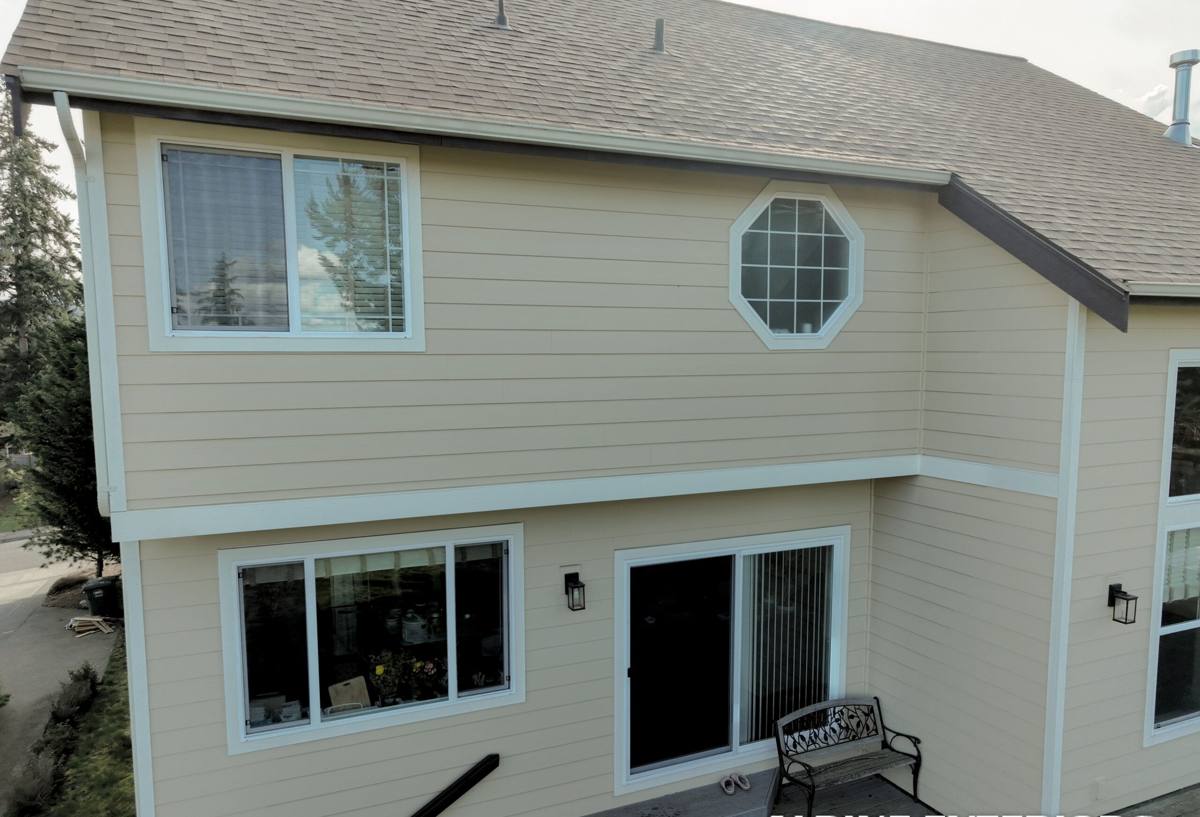
Why Similk Beach Roofs Take a Different Kind of Beating
Salt Air and Metal Fatigue
Salt-laden air off the water accelerates corrosion on exposed fasteners, flashing, and metal roofing panels. A nail or flashing seam that would last decades a few miles inland can start showing rust streaks or pitting years earlier out here. After a storm, we're not just looking for missing shingles — we're checking whether wind and rain exposed metal components that were already weakened by salt exposure.
Driving Rain and Wind-Driven Water
Storms that come through this part of Puget Sound frequently arrive with sustained wind, not just gusts. Wind-driven rain gets pushed uphill under shingles and around flashing details in a way that vertical rain never would. A roof can look intact from the driveway after a storm and still have water working its way under the roofing system at a ridge, valley, or wall intersection.
A Long Moss Season
Western Washington's wet, mild climate keeps moss and lichen growing on north-facing and shaded roof slopes for most of the year. Moss holds moisture against the roofing surface long after a storm has passed, which slows drying, stresses shingle granules, and can mask the edges of storm damage until it's already led to a leak. Any storm repair on a Similk Beach roof should include a look at moss buildup, because it changes how urgently a repair needs to happen.
What Actually Counts as Storm Damage
Not every roof problem after a storm is storm damage, and that distinction matters for both the repair plan and any insurance claim. Storm damage is sudden and event-driven — wind uplift, impact, or water intrusion tied to a specific weather event. Wear is gradual — moss, UV breakdown, and age-related granule loss that was already in progress before the storm.
| Sign | Usually Storm Damage | Usually Wear or Age |
|---|---|---|
| Missing or lifted shingles | Clean tear lines, torn tabs, exposed nail heads right after a wind event | Curling, cracking, or granule loss spread evenly across a slope |
| Flashing issues | Bent, dented, or displaced flashing after wind or debris impact | Rust-through or sealant failure that built up over years |
| Leaks | New stain appearing during or right after a storm | Recurring stain in the same spot for multiple seasons |
| Debris on the roof | Branches, twigs, or granule buildup in gutters right after wind | Moss mats or dense lichen that took months to establish |
Getting this right matters because storm-caused damage is what insurance covers, and mixing the two together on an estimate is one of the fastest ways to have a claim delayed or denied.
What a Correct Storm Repair Actually Involves
A rushed storm repair — a few shingles nailed back down and a tube of roofing cement — often just hides the problem for a season. A correct repair addresses the roof system, not just the visible damage.
Decking and Underlayment Check
Any spot where shingles were torn away or lifted needs the decking underneath inspected for soft spots or moisture intrusion before new material goes on. Covering damaged or wet decking with new shingles just traps the problem.
Matching Materials Honestly
We match shingle color and profile as closely as the manufacturer and available stock allow, but we're upfront that an exact match on an older roof isn't always possible — sun fading and granule wear mean a repaired section can look slightly different even with the correct product. That's a normal trade-off of repair versus full replacement, not a defect in the work.
Flashing and Transition Points
Storms tend to find the weak points at valleys, chimneys, vents, and wall intersections first. A repair that stops at the shingle line and ignores flashing at these transitions usually leaks again in the next storm.
Ventilation Considerations
If a storm damaged ridge vent or exposed soffit intake, that's worth addressing at the same time. Poor attic ventilation compounds moss growth and speeds up shingle aging in our climate, so a storm repair is a reasonable time to fix it rather than leave it for later.
Our Process, Start to Finish
- Initial assessment. We look at the whole roof, not just the reported damage, including flashing, ventilation, and moss condition.
- Temporary protection if needed. If there's active water intrusion, we get the roof weathertight first — tarping or temporary sealing — before scheduling the full repair.
- Written estimate. A clear scope of work and cost range, separating storm-damage repair from any pre-existing wear we found.
- Repair. Decking, underlayment, shingles, and flashing addressed together, not piecemeal.
- Cleanup and check. Site cleared of debris and old material, and we walk the repair with you before calling it done.
Working With Your Insurance Company
Most storm damage claims move faster when the documentation is clear from the start. We photograph damage before starting any work, note the likely cause and approximate timing, and can walk an adjuster through what we found if that's useful. We're not a public adjuster and don't negotiate your claim for you, but a clear, honest scope of work makes it easier for your insurer to process the claim without back-and-forth.
Repair or Replace? What Actually Drives That Decision
Storm damage doesn't always mean a full roof replacement, but sometimes it's the practical trigger for one — especially on a roof that was already near the end of its service life. Here's what actually factors into that call.
| Factor | Leans Toward Repair | Leans Toward Replacement |
|---|---|---|
| Age of existing roof | Roof is under 10-12 years old | Roof is already near or past typical service life |
| Extent of damage | Damage isolated to one slope or area | Damage spread across multiple slopes or the decking |
| Material availability | Matching shingle still in production | Discontinued product, poor match likely |
| Underlying moss/wear | Minor, surface-level moss | Heavy moss with granule loss across large areas |
| Insurance scope | Claim covers targeted repair | Adjuster approves full replacement |
We'll give you a straight answer on which side of that line your roof falls on — we don't push replacement when a repair will hold up, and we won't recommend a patch job on a roof that's already at the end of its life.
What to Do in the First 24-48 Hours After a Storm
- Check the attic and top-floor ceilings for new water stains or dampness
- Look at gutters and downspouts from the ground for granules, torn shingle pieces, or debris buildup
- Photograph any visible damage — missing shingles, dented flashing, damaged vents — before cleanup begins
- Avoid walking the roof yourself, especially on wet or moss-covered slopes
- Cover any active interior leak to protect flooring and belongings while you arrange an inspection
- Call for an inspection promptly — a small storm-damage entry point gets worse with every additional rain event
Why a Crew That Already Works Similk Beach Matters
A roofer who mainly works drier, inland areas doesn't always think about salt exposure on fasteners or how long moss holds moisture on a shaded, water-adjacent roof. We work in Anacortes and across Skagit County regularly enough to know that a Similk Beach roof needs to be evaluated with wind exposure, salt air, and moss season in mind from the first inspection — not treated like any other repair job. That local familiarity shows up in small decisions: which fasteners and flashing metal hold up out here, which slopes need the closer look for moss-related moisture, and how urgently a given repair needs to happen before the next storm system comes through.
If you've got storm damage on a Similk Beach roof, we're glad to take a look and give you an honest read on what happened and what it'll take to fix it right. There's a free, no-pressure estimate form below — reach out and we'll get a local crew out to assess it.