 Anacortes Siding
 Building Decks That Actually Hold Up in Similk Beach
Similk Beach sits close enough to the water that every deck built here is fighting a slower, quieter battle than decks built inland. It's not one dramatic storm that wrecks a deck out this way — it's years of salt-laden air settling into fasteners, driving rain finding its way behind ledger boards, and a wet, shaded moss season that never really lets a deck dry all the way out. A deck that looks fine in year one can be hiding real problems by year four if it wasn't built with this specific environment in mind.
We build and repair custom decks throughout the Anacortes area, and Similk Beach is one of the neighborhoods where we see the clearest gap between a deck that was built "to code, generically" and one that was built for the site. Both might pass inspection. Only one is going to still be solid, safe, and good-looking a decade from now.
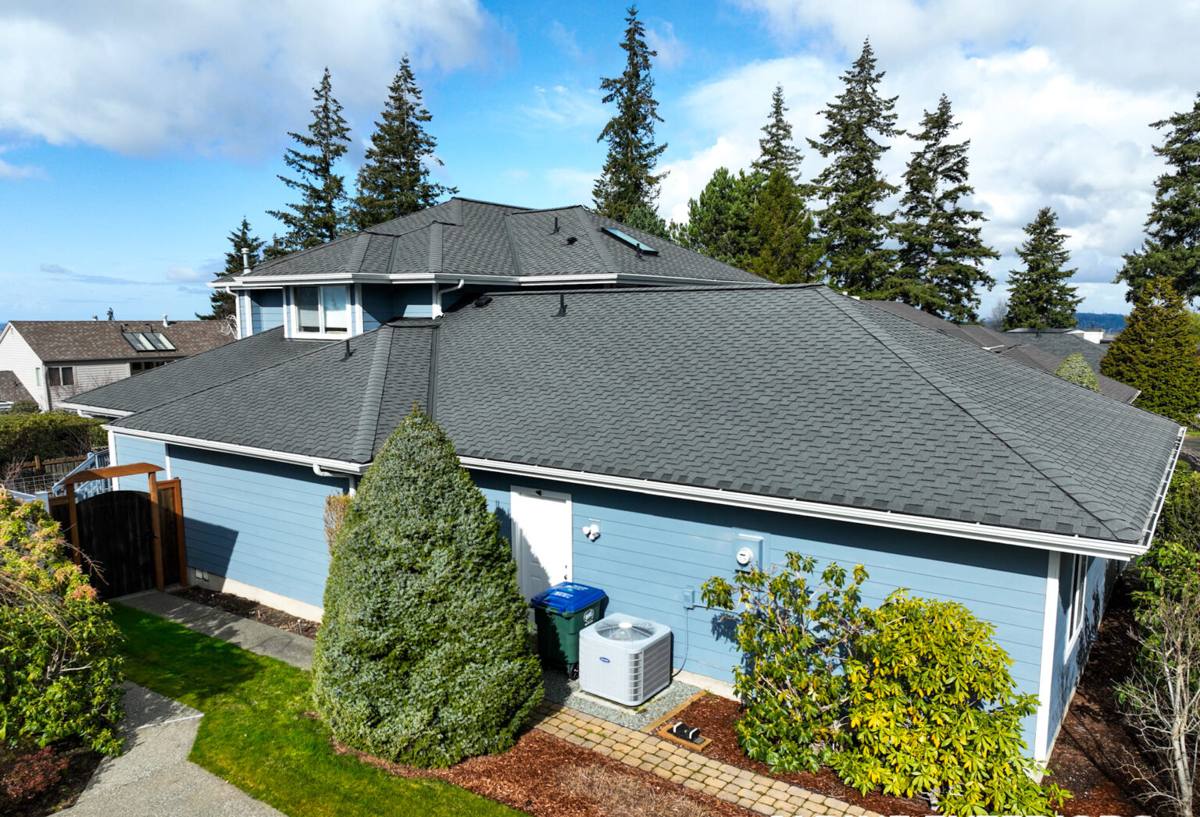
What Similk Beach's Climate Does to a Deck
Salt Air and Metal Fatigue
Proximity to Puget Sound waters means the air here carries salt, even on inland-facing lots. Salt accelerates corrosion in anything metal — fasteners, joist hangers, structural screws, railing hardware. On a lot of decks, the wood or composite decking still looks fine while the hidden hardware underneath is quietly rusting and losing holding strength. This is one of the most common failure points we find on older decks in coastal Skagit County neighborhoods, and it's almost entirely invisible until something fails.
Driving Rain and Wind-Driven Moisture
Anacortes gets rain that doesn't fall straight down. Wind off the water pushes moisture sideways and up under overhangs, into gaps, and behind ledger boards where a deck attaches to the house. A deck built without proper flashing and drainage detailing in a spot like this isn't a matter of "if" it leaks into the structure — it's "when."
Moss, Algae, and Slow Drying
Between tree cover, marine humidity, and our long wet season, decking surfaces in Similk Beach stay damp longer than decks even a few miles inland. That extended dampness is exactly what moss and algae need to take hold, and it's also what accelerates rot in any wood that isn't properly treated or sealed. A shaded, north-facing deck out here can hold moisture for days after a storm has passed everywhere else.
What a Correctly Built Deck Requires Here
None of this means a deck can't hold up beautifully in Similk Beach — it means the build has to account for these conditions from the ground up, not patch around them later. A correct build in this environment includes:
- Stainless steel or heavily coated, marine-rated fasteners and structural hardware — not standard galvanized
- Proper ledger board flashing where the deck meets the house, sealed to shed water outward, not trap it against the siding
- Footings set below frost depth and sized to local soil conditions, per Skagit County building code
- Deck board spacing and orientation that allows real airflow underneath, not just visually adequate gaps
- Joist tape or another moisture barrier on top of framing lumber to slow rot at the number one failure point on wood-framed decks
- A decking surface matched to how much sun, shade, and moisture that specific spot actually gets
Choosing a Decking Material for This Environment
There's no single "best" decking material — there's a best material for your site, your budget, and how much upkeep you actually want to do. Here's how the common options hold up specifically against salt air, rain, and moss:
| Material | Salt Air Resistance | Moss/Moisture Behavior | Maintenance |
|---|---|---|---|
| Pressure-treated wood | Good if hardware is upgraded | Needs regular sealing to resist moss and rot | Annual cleaning, periodic staining/sealing |
| Cedar | Naturally decent rot resistance | Still needs sealing in shaded, damp spots | Moderate — sealing every 1-2 years |
| Composite decking | Excellent — no wood grain to absorb salt moisture | Resists rot but can still grow surface algae if never cleaned | Low — occasional washing |
| PVC/capped polymer | Excellent — fully sealed surface | Best moisture shedding of the common options | Lowest — rinse and go |
We're honest with clients about trade-offs rather than steering everyone toward the priciest option. Wood costs less up front but asks for more of your time every year. Composite and PVC cost more initially but are the better long-term match for a shaded, salt-exposed, high-moisture lot like a lot of Similk Beach properties. The right call depends on your budget, how much sun your specific spot gets, and how much maintenance you actually want to sign up for.
Framing and Structure: Where Most Deck Failures Actually Start
Homeowners naturally focus on the decking surface — the boards you walk on and see every day — but the framing underneath is what determines whether a deck is actually safe. In a marine climate, framing lumber needs to be rated for ground contact or exterior exposure as appropriate, hardware needs to be corrosion-resistant, and every connection point needs to be detailed to shed water rather than collect it.
We also pay close attention to the ledger connection — the point where the deck attaches to your house — because that's the single most common source of both structural failure and hidden water damage to the home itself. A poorly flashed ledger board doesn't just risk the deck; it can let water into your wall framing, which is a much more expensive problem to fix later.
Footings and Local Soil
Skagit County's building code sets minimum footing depth and sizing requirements, and soil conditions can vary noticeably from lot to lot even within the same neighborhood. We don't guess on this — footings are sized and set based on your actual site conditions and pulled permits, not a one-size-fits-all template.
Our Process for Similk Beach Deck Projects
1. On-Site Assessment
We walk your property, look at sun and shade exposure, drainage patterns, existing structure (if we're replacing or expanding a deck), and how close you are to salt water influence. This tells us what materials and detailing actually make sense for your spot.
2. Design and Material Selection
We talk through layout, size, railing style, and decking material with honest pros and cons for each option — including what it'll cost you in maintenance down the road, not just at checkout.
3. Permitting
Most new decks and significant rebuilds in Skagit County require a permit. We handle that process so you're not stuck navigating it yourself, and so the finished structure is inspected and code-compliant.
4. Construction
Footings, framing, flashing, decking, and railing — built in that order, with each stage detailed for moisture management before the next stage covers it up. This is where a rushed build and a correct build diverge the most, and it's almost entirely invisible once the deck is finished.
5. Final Walkthrough
We walk the finished deck with you, cover basic care for whatever material you chose, and make sure you know what to watch for over the seasons ahead.
Keeping a Similk Beach Deck in Good Shape Year-Round
Even a well-built deck needs some seasonal attention out here. A simple maintenance rhythm goes a long way toward getting the full lifespan out of the structure:
- Sweep and rinse the deck surface regularly through fall and winter to keep organic debris from feeding moss
- Check and clear gaps between boards so water and debris aren't trapped against the framing
- Inspect visible hardware once a year for early rust or corrosion, especially near railings and stairs
- Reseal or restain wood decking on the manufacturer's recommended schedule — don't wait until it visibly needs it
- Trim back overhanging branches to cut down on shade, debris, and moss pressure
- Watch for soft spots, especially near the ledger board and stair stringers, and have them checked promptly
Why Local Deck-Building Experience Matters Here
A contractor who mostly builds inland, in drier or more sheltered parts of Skagit County, isn't necessarily thinking about salt-rated hardware or ledger flashing detailed for wind-driven rain by default — because most of their jobs don't demand it. A crew that regularly builds in Similk Beach and similar Anacortes-area waterfront-adjacent neighborhoods treats those details as standard practice, not an upgrade you have to ask for.
That local pattern recognition matters just as much during design as during construction. We know which decking materials tend to disappoint homeowners in shaded, damp corners of this area, which fastener grades hold up and which don't, and how to size drainage and airflow so moss doesn't take over a deck within a few seasons of its build date.
Let's Talk About Your Deck
Whether you're planning a new deck, replacing one that's showing its age, or want a second opinion on a structure you're not sure was built right for this climate, we're happy to take a look. Reach out for a free, no-pressure estimate — we'll walk your property, talk through honest material options for your specific spot, and give you a clear picture of what a correctly built deck looks like for a Similk Beach home.