 Anacortes Siding
 Roofing on Guemes Island Comes With Its Own Rulebook
A roof on Guemes Island works harder than a roof ten miles inland. The island sits fully exposed to Rosario Strait and the Salish Sea, which means wind-driven rain hits roof planes at angles that shingles and flashing on a sheltered mainland lot rarely see. Add the salt content in that marine air, the shade from evergreen tree cover on many lots, and a moss season that can run eight months out of twelve, and you have a roofing environment that punishes shortcuts fast. We've replaced and repaired roofs across Skagit County long enough to know that a "good roof" in Mount Vernon and a "good roof" on Guemes Island aren't built the same way.
This page is about one job in one place: full roof replacement for Guemes Island homes. Not a general overview of roofing — the specific decisions that matter when the house sits on an island ferry-served from Anacortes, exposed to open water on multiple sides.
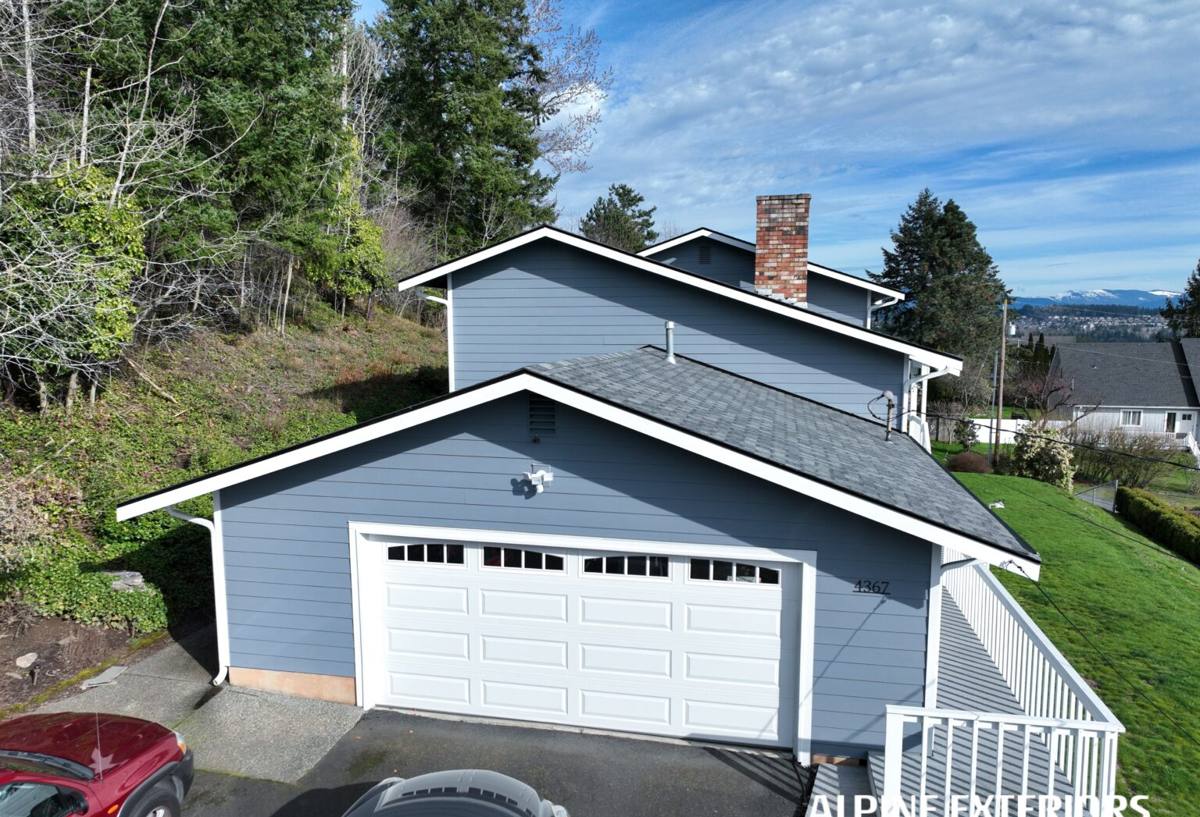
What the Island Climate Actually Does to a Roof
Salt Air and Metal Fasteners
Airborne salt accelerates corrosion on anything metal — nail heads, flashing, gutter hangers, roof vents. On a mainland roof a builder-grade galvanized fastener might last the life of the roof. On Guemes Island, that same fastener can start rusting through in a fraction of the time, and a rusted nail head under a shingle tab is a leak waiting to happen. This is why fastener and flashing material selection matters more here than almost anywhere else in the county.
Driving Rain and Wind-Driven Water
Straight-down rain is easy for any roof to shed. Rain pushed sideways by open-water wind is a different problem — it finds its way under shingle tabs, up and under flashing edges, and into any gap that a standard install would consider "good enough." Roofs on exposed island lots need tighter underlayment coverage, better sealed penetrations, and flashing details sized for wind-driven water, not just gravity.
Moss, Shade, and Moisture Retention
Many Guemes Island properties sit under fir and cedar cover, and the combination of shade, humidity, and mild winters is close to ideal for moss growth. Moss isn't just cosmetic. It holds moisture against the roofing material, lifts shingle edges as it grows, and traps organic debris in valleys and behind moss mats — all of which shortens the life of a roof that would otherwise perform well. A roof replacement on a shaded, moss-prone lot should account for this from day one, not treat it as a future maintenance surprise.
What a Correct Roof Replacement Includes Out Here
A roof replacement is more than stripping old material and nailing down new shingles. On an exposed, salt-air, high-moss site, the details below are where the job actually gets decided.
Tear-Off and Deck Inspection
Full tear-off lets us see the roof deck, not guess at it. Years of trapped moisture under moss mats or behind old flashing can soften plywood sheathing long before it shows up as an interior leak. We inspect the deck once it's exposed and replace any damaged sheathing before anything new goes down — covering rot with new shingles just hides the problem for the next owner to find.
Underlayment Built for Wind-Driven Rain
On exposed island roof planes, a synthetic underlayment with strong water-shedding performance and proper lap coverage matters more than on a sheltered inland roof. We also pay close attention to ice-and-water shield or equivalent membrane at eaves, valleys, and any low-slope transitions, since those are the areas most vulnerable to wind-pushed water backing up under the roofing.
Corrosion-Resistant Flashing and Fasteners
Given the salt air, we favor flashing and fastener materials with better corrosion resistance than a bare-minimum install would use — this is a professional standard we hold ourselves to on island and shoreline work, not an upsell. Chimney flashing, roof-to-wall transitions, and valley metal all get the same attention, since these are the spots where a corroded fastener or a pinhole in flashing turns into an active leak.
Ventilation That Matches the Site
Shaded, moisture-heavy lots need attic and roof ventilation that actually moves air, not just code-minimum vent count. Poor ventilation traps humidity under the roof deck, which speeds up both wood rot and moss colonization from below as well as above. We size and place ridge, soffit, or box vents based on the actual roof geometry and tree cover on the property, not a one-size formula.
Moss-Conscious Material Choices and Detailing
We don't chase every moss-resistant marketing claim on the market — some coated or algae-resistant shingle products perform well, others trade moss resistance for other maintenance issues, and we'll walk you through the honest trade-offs for your specific lot and tree cover. What matters more than the coating is the physical detailing: keeping valleys clear, sizing drip edges correctly, and avoiding roof designs with the tight, shaded valleys where moss gets the strongest foothold.
Comparing Roofing Approaches for Exposed Island Lots
| Factor | Standard Inland Approach | What We Do on Guemes Island |
|---|---|---|
| Fasteners & flashing | Builder-grade galvanized | Upgraded corrosion resistance at flashing, valleys, and penetrations |
| Underlayment | Single-layer standard felt or synthetic | Enhanced membrane coverage at eaves, valleys, and low-slope areas |
| Ventilation | Code-minimum vent count | Ventilation sized to shade, tree cover, and moisture load |
| Moss handling | Addressed after it appears | Detailing and material choices that reduce moss's foothold from the start |
| Access & logistics | Same-day material delivery | Ferry schedule and delivery windows built into the project timeline |
Our Process for a Guemes Island Roof Replacement
- On-site inspection: We walk the roof, check the attic or crawlspace where accessible, note tree cover, exposure direction, and any existing moss or moisture damage.
- Honest scope and estimate: You get a written estimate that spells out material choices and why we're recommending them for your specific site — no pressure, no scare tactics.
- Material and logistics planning: Because the island is ferry-served, we plan delivery and crew scheduling around ferry availability so the job isn't stalled mid-tear-off waiting on materials.
- Tear-off and deck inspection: Full removal of old roofing, deck inspected and any damaged sheathing replaced before new material goes down.
- Installation: Underlayment, flashing, ventilation, and roofing material installed to the standard we've outlined above — not the fastest install, the correct one.
- Final walkthrough: We review the finished roof with you, including any maintenance notes specific to your lot's shade and moss exposure.
What to Have Ready Before We Visit
- Roughly how old the current roof is, if known
- Any known leak history or interior water stains
- Whether ferry access or a locked gate affects site access
- General sense of how much shade/tree cover the roof gets through the year
- Any HOA or shoreline permitting requirements specific to your property
Why a Crew That Already Works Guemes Island Matters
Roofing an island property isn't the same logistics as roofing a house three blocks from our yard. Ferry schedules affect how a crew stages material and timing — a contractor unfamiliar with the island can burn a full day just figuring that out, and that's a day of exposed decking sitting in the weather. A crew that already runs jobs out here builds the ferry schedule into the plan from the estimate stage, keeps tear-off windows short, and knows how to sequence a job so the roof deck isn't left open longer than it has to be.
There's also a site-knowledge advantage that isn't about logistics. Crews who've worked multiple island roofs recognize the moss patterns, the wind exposure differences between a bluff-top lot and a more sheltered one, and the kind of flashing failures that show up specifically on saltwater-exposed homes. That's the difference between a roof that's simply "installed to code" and one that's actually built for where it sits.
Signs a Guemes Island Roof May Need Replacing, Not Just Repair
- Heavy moss coverage that returns quickly after cleaning
- Curling, cracking, or missing shingles in multiple areas rather than one isolated spot
- Rust staining around flashing, vents, or nail heads
- Soft spots or sagging when walking the attic or checking from below
- Interior water stains, especially after wind-driven storms rather than steady rain
- A roof approaching or past the expected lifespan of its material
Not every one of these means a full replacement is the answer — sometimes targeted repair and better ventilation solve the problem. Part of an honest estimate is telling you when repair is the smarter call and saving replacement for when the roof has actually earned it.
Get a Straight Answer About Your Roof
If you're weighing repair versus replacement, or you just want an honest read on how much life is left in a Guemes Island roof, we're happy to take a look. Fill out the form below for a free, no-pressure estimate — we'll walk the roof, tell you what we actually see, and give you a straightforward recommendation for your home and your budget.