 Anacortes Siding
 Why Bow's Climate Is Hard on Siding
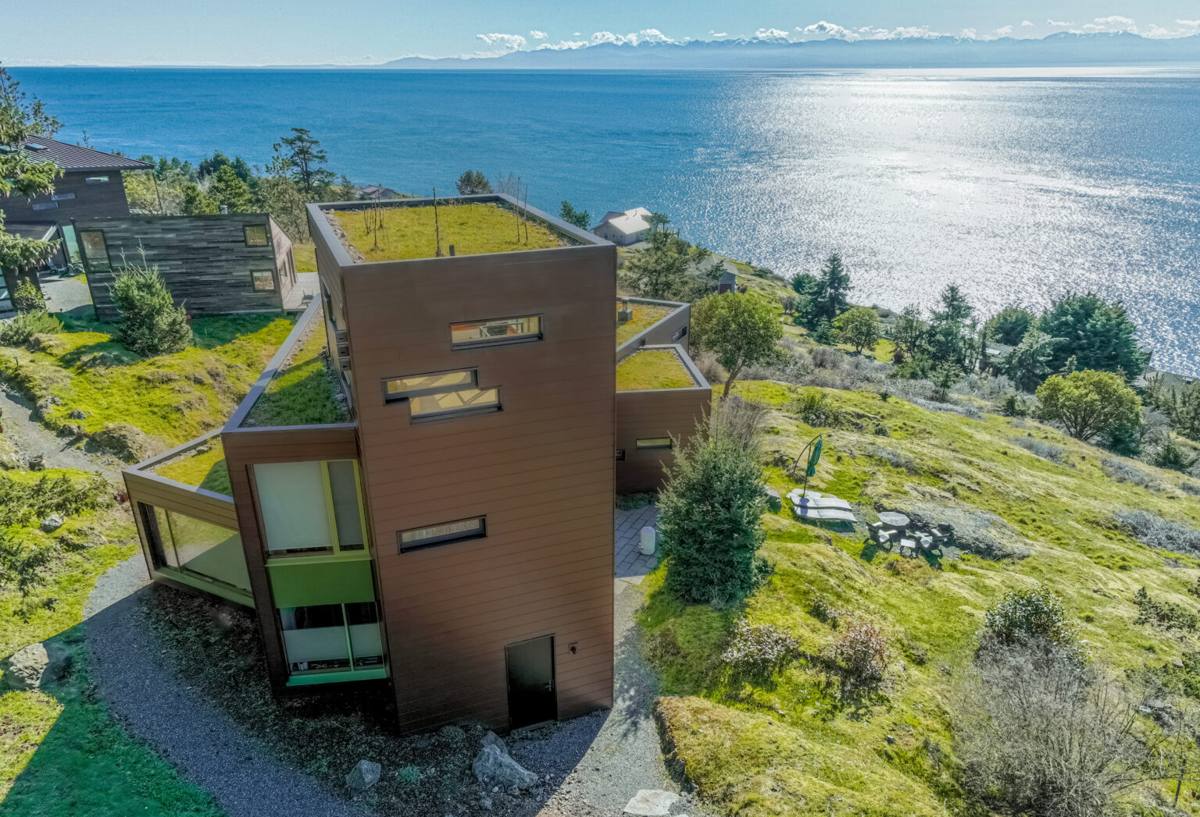
Bow sits close enough to Samish Bay and Padilla Bay that salt-laden air is a real, everyday factor for anything installed on the outside of a house here — not just for waterfront properties, but for homes set back from the water too. Add in Skagit County's driving rain off the Sound, low winter sun angles that keep north-facing walls shaded for months, and a moss season that can run from fall through spring, and you have a climate that is genuinely tougher on exterior cladding than most manufacturers' marketing photos suggest. Siding that looks fine in a showroom in a dry climate can fail quietly here for years before a homeowner ever sees a problem on the surface.
Salt Air and Metal Fastener Corrosion
Airborne salt accelerates corrosion on any exposed metal — nail heads, trim flashing, house wrap staples — and once fasteners start to rust, they can streak the siding face and eventually lose their grip. This is one of the most overlooked details in a siding job near the water: the fasteners and flashing metals matter as much as the siding panel itself.
Driving Rain and Wind-Driven Moisture
Rain in this part of Skagit County rarely falls straight down. Wind off the water pushes it sideways into wall assemblies, which means siding laps, butt joints, and window and door flashing all have to be detailed correctly the first time. A siding product can be excellent and still fail on a wall if the water management behind it was never done right.
Moss, Shade, and Trapped Moisture
Mature trees and long shaded stretches on many Bow properties mean moss and algae have months to establish on siding that stays damp. Beyond the cosmetic green tint, moss holds moisture against the surface, which is a slow but steady stress on any material that isn't dimensionally stable or that relies on a field-applied finish to keep water out.
What a Correct Siding Replacement Actually Involves
Replacing siding is not just pulling off old boards and nailing up new ones. Done right, it's a sequence of steps where each one protects the next.
Tear-Off and Sheathing Inspection
Once the old siding comes off, the sheathing underneath tells the real story of how the wall has been performing. Soft spots, staining, or rot around windows and at the base of walls need to be addressed before anything new goes up — covering a compromised wall with new siding just hides the problem for a future owner to deal with.
Weather-Resistive Barrier and Flashing Details
A correctly lapped weather-resistive barrier, properly integrated window and door flashing, and flashing at every horizontal transition (roof lines, decks, trim) are what actually keep wind-driven rain out of the wall assembly. The siding itself is the second line of defense, not the first.
Proper Fastening and Clearances
Manufacturer-specified fastener spacing, penetration depth, and butt-joint treatment all affect how the siding holds up over decades, not just years. Ground clearance and proper clearance from roof lines, decks, and patios also matter — siding installed too close to grade or a hard surface stays wet longer and invites problems regardless of what it's made of.
Why We Install Only James Hardie Fiber Cement
We made a decision as a company to install one siding system — James Hardie fiber cement — and to turn down jobs that call for something else. That's not a sales pitch; it's a standard we hold because we've seen what performs in this climate and what doesn't.
James Hardie's fiber cement is non-combustible, which matters for wildfire-adjacent risk and insurance considerations alike. It comes with a factory-applied ColorPlus finish, which means the color and protective coating are baked on under controlled conditions rather than rolled or sprayed on-site — a meaningful difference in a climate where field-applied finishes get tested hard by rain and UV within the first year. Hardie also engineers specific product lines for different climate zones, accounting for regional moisture and temperature patterns rather than selling one plank everywhere. And it carries a strong, transferable limited warranty, which adds real value if a Bow homeowner sells within the ownership window.
We don't install LP SmartSide, vinyl, Cemplank, Allura, or unfinished cedar or spruce siding. Each of those products has legitimate strengths — vinyl is inexpensive and low-maintenance in mild climates, cedar has real aesthetic appeal, engineered wood products install quickly — but each also comes with a trade-off (moisture sensitivity, expansion and contraction, ongoing finish maintenance, or installation tolerances that are unforgiving) that we don't think holds up as well against Bow's specific combination of salt air, wind-driven rain, and long shaded moss seasons. We'd rather stand behind one system we trust completely than offer several we have reservations about.
Comparing Siding Materials for Bow's Coastal Climate
| Material | Salt Air / Coastal Behavior | Moisture & Moss Resistance | Finish Longevity |
|---|---|---|---|
| James Hardie Fiber Cement | Non-combustible, dimensionally stable, holds up well to salt exposure | Doesn't rot; factory-engineered for regional climate demands | Factory ColorPlus finish, long warranty period |
| Vinyl | Can become brittle and fade faster with UV and salt exposure over time | Doesn't rot, but seams and J-channels can trap moisture | Color is through the material but fades; can't be repainted easily if it does |
| LP SmartSide (Engineered Wood) | Wood-based core is more sensitive to sustained moisture exposure | Requires intact factory treatment and careful joint sealing to resist moisture | Factory finish available, but cut edges need field treatment |
| Cedar / Primed Spruce | Natural material, attractive, but reacts to moisture cycling | Prone to moss growth and moisture retention without regular maintenance | Requires ongoing staining, painting, or sealing to perform |
Our Process for Bow Homeowners
We keep the process straightforward and communicate clearly at each stage:
- Free on-site estimate — we look at your home's current siding, sheathing condition where visible, and any trouble spots (moss buildup, staining, soft areas).
- Written scope and product selection — we walk through James Hardie plank profiles, textures, and colors suited to your home.
- Tear-off and sheathing check — old siding comes off and we inspect and address anything found underneath before moving forward.
- Weather barrier and flashing installation — the water-management layer goes in correctly before a single piece of new siding is hung.
- Siding installation to manufacturer spec — proper fastening, clearances, and joint treatment throughout.
- Final walkthrough and cleanup — we review the finished job with you and register your Hardie warranty.
Why Hiring a Crew That Already Works Bow Matters
A crew that regularly works in and around Anacortes and greater Skagit County already understands how salt air and shaded, damp conditions behave on real walls in this area — not from a training manual, but from having pulled off enough old siding here to know what the failure patterns actually look like. That local familiarity shows up in small decisions: where to pay extra attention to flashing, which sides of a house typically hold moss longest, and how to sequence a job around this area's rain patterns so the wall isn't left exposed longer than necessary. It also means straightforward logistics — no long travel delays, and a crew that's accountable to a reputation built in the community, not a one-time job from out of the area.
Signs Your Bow Home May Need Siding Replacement Now
- Visible moss or algae staining that returns quickly after cleaning
- Soft, spongy, or discolored siding, especially near the ground or under windows
- Cracking, warping, or separation at seams and corners
- Paint that won't hold or keeps blistering despite repainting
- Rising energy bills that suggest gaps in the wall assembly's weather protection
- Visible gaps, rust streaks, or loose fasteners around trim and flashing
Maintenance After Replacement
Even the right siding system benefits from basic upkeep in this climate. An annual rinse to clear salt residue and early moss growth, keeping gutters clean so water doesn't run down the wall face, and trimming back vegetation that keeps a wall shaded and damp all go a long way toward getting the full service life out of your investment. James Hardie's factory finish reduces how much maintenance is needed compared to field-finished materials, but "low-maintenance" isn't "no-maintenance" anywhere near the water.
If your Bow home's siding is showing its age or you're planning ahead of a problem, we're happy to take a look and give you a straightforward, no-pressure estimate — just fill out the form below.