 Anacortes Siding
 Why Fidalgo Island Windows Wear Out Faster Than People Expect
Fidalgo Island sits where Puget Sound weather and salt-laden air meet a lot of exposed, west- and south-facing glass. Homes here take a steady combination of marine humidity, wind-driven rain, and a moss season that can stretch from fall through spring. None of that is dramatic on any given day, but it adds up. Window seals, weep systems, and exterior trim on Fidalgo Island homes are working harder, year-round, than the same components would in a drier inland climate.
The result shows up gradually: a foggy pane that used to be clear, a bedroom that's noticeably colder near the glass in January, or trim that's gone soft where the old window meets the siding. None of these are emergencies by themselves, but they're signs that the window system — glass, frame, and the flashing around it — has stopped doing its job. Energy-efficient window work here isn't just about a lower heating bill; it's about keeping water out of a wall assembly that's rarely given a break from moisture.
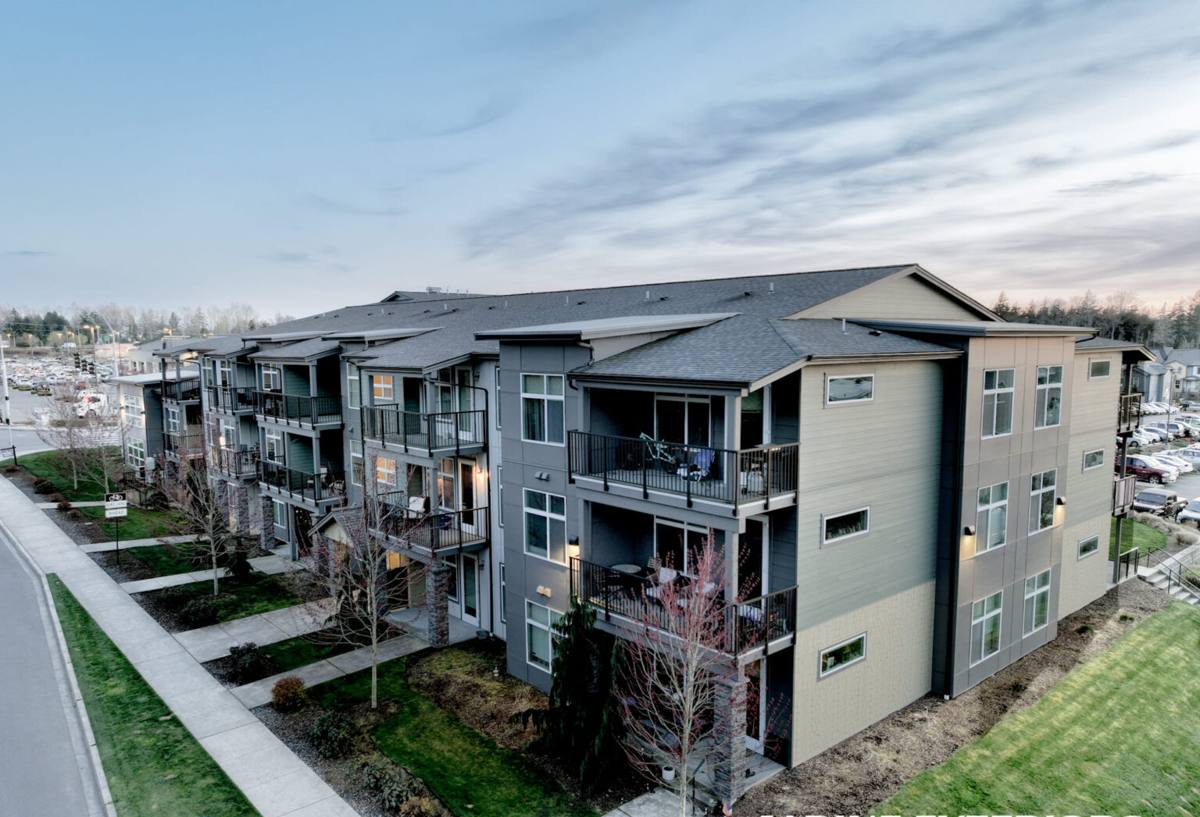
What "Energy-Efficient" Actually Needs to Mean on Fidalgo Island
A window that's efficient on paper — a good U-factor sticker, a decent Low-E coating — can still perform poorly here if the installation doesn't account for local conditions. On Fidalgo Island, three things matter more than they would somewhere with a milder, drier climate.
Air and Water Sealing at the Frame
Most window failures we see aren't glass failures — they're installation failures around the frame. Driving rain off the Sound doesn't fall straight down; it hits siding and window trim at an angle, and it will find any gap in the flashing, sealant, or house wrap. A correctly installed window uses a proper sequence: sill pan or flashing tape at the bottom, window unit set into that pan, then flashing integrated with the house wrap above and to the sides so water sheds outward and downward, never behind the cladding. Skipping or rushing this step is the single biggest reason "new" windows still leak or rot within a few years.
Glass Package and Frame Material
Beyond the flashing, the glass and frame need to handle both temperature swings and constant humidity. Dual-pane, Low-E, argon-filled glass is the standard baseline for this climate and covers most homes' needs. Frame material matters too — some materials handle sustained damp exposure and salt air better than others, which we'll walk through below.
Signs Your Windows Are Underperforming
You don't need to guess. A short walk around the house on a rainy or windy day will usually tell you what's going on. Look for:
- Fogging or moisture between the panes (a failed seal on the insulated glass unit)
- Visible daylight or a draft you can feel with your hand along the frame edge
- Soft, discolored, or bubbling trim and sill material on the exterior
- Difficulty opening, closing, or locking — frames can swell or warp with moisture
- Condensation on the interior glass or sill in cold weather, especially in rooms that face the water or prevailing wind
- Visible moss or dark streaking building up on the sill or trim below the window
- A noticeable temperature difference standing near the window versus the middle of the room
Any one of these on its own isn't cause for alarm. Several of them together, especially on the same wall, usually means it's worth having someone look at the whole window and the wall around it — not just the glass.
Frame Material: What Holds Up in This Climate
There's no single "best" frame material for every home — it depends on budget, the home's style, and how exposed the window is to wind and salt spray. Here's how the common options compare for Fidalgo Island conditions specifically.
| Frame Material | How It Handles Salt Air & Moisture | Maintenance | General Cost Position |
|---|---|---|---|
| Vinyl | Good — won't corrode or rot, handles humidity well | Low; occasional cleaning | Most affordable |
| Fiberglass | Very good — dimensionally stable in temperature and moisture swings | Low | Mid to upper |
| Aluminum | Fair — can corrode over time in salt air unless well-coated; conducts cold | Moderate | Mid |
| Wood / wood-clad | Requires diligent upkeep — most vulnerable to moisture and rot if maintenance lapses | High | Upper |
We're honest with homeowners about wood: it can be beautiful and it has its place, especially on homes where matching an existing look matters. But given how much sustained moisture and salt exposure this island sees, we tell clients up front that wood frames demand a maintenance schedule most people underestimate — repainting, caulking, and inspection on a regular cycle. Vinyl and fiberglass simply ask less of you over the life of the window, which is why they're what we recommend for most Fidalgo Island replacement jobs.
Glass Options Worth Knowing
For most homes here, dual-pane with a Low-E coating and argon gas fill is the practical standard — it balances cost against real-world performance in our winters. Triple-pane glass adds another layer of insulation and sound dampening, which some homeowners want for a north- or west-facing room that catches the worst of the wind, but it adds weight and cost that isn't always necessary for the rest of the house. We'll talk through where triple-pane actually earns its keep versus where dual-pane does the job just as well.
How We Handle a Fidalgo Island Window Installation
The work happens roughly the same way on every job, adjusted for the specific window and wall we're dealing with:
- Assessment — we look at the existing window, the wall assembly behind it, and any signs of past water intrusion before recommending anything.
- Removal — the old unit comes out carefully so we can inspect the sill, framing, and sheathing for hidden rot or moisture damage before it's covered up again.
- Repair as needed — any soft wood, damaged sheathing, or compromised house wrap gets addressed before a new window ever goes in. Installing a new window over a damaged opening just hides the problem.
- Flashing and sealing — sill pan, flashing tape, and integration with the existing water-resistive barrier, sequenced so water always sheds outward.
- Setting the window — leveled, plumbed, and squared, then mechanically fastened per the manufacturer's instructions, not just foamed and caulked in place.
- Insulation and interior/exterior trim — low-expansion foam around the frame to control air leakage without bowing the frame, then trim work matched to the home.
- Final check — operation, locks, and a look at the exterior sealant lines before we call it done.
Permits and Code Considerations
Window replacement in the City of Anacortes and unincorporated Skagit County can be subject to permitting depending on the scope of the work — particularly if the rough opening size changes, if it's a full-house replacement, or if the project is part of a larger remodel. Egress requirements also matter for bedroom windows: if a window serves as a required emergency exit, its replacement needs to meet current egress sizing, even if the original window predates that code. We handle the applicable permitting and code compliance as part of the job so you're not left figuring that out on your own.
Why Local Experience on Fidalgo Island Actually Matters Here
Window installation looks similar everywhere on the surface, but the details that make it hold up depend on the specific conditions of the site. A crew that mostly works drier inland areas of the state may not think twice about flashing sequencing that's non-negotiable on a home exposed to Rosario Strait wind and rain. A crew that works Anacortes and the surrounding Skagit County coastline regularly knows which walls take the worst weather, how fast moss and algae build up on north-facing trim, and why a sealant that's fine in a dry climate can fail here in a couple of seasons. That's not a marketing point — it changes what gets specified and how the job gets sequenced.
Living With the Windows Afterward: Realistic Maintenance
Even a well-installed, efficient window benefits from a little seasonal attention in this climate:
- Rinse salt residue and grime off glass and frames a couple of times a year, especially on wind-exposed sides of the house
- Check and clear weep holes on the exterior sill so water can drain instead of pooling
- Keep gutters and downspouts clear nearby — overflow onto window trim accelerates wear
- Watch for moss or algae starting on sills and trim, and clean it off before it holds moisture against the surface
- Re-caulk exterior joints if you notice cracking or gaps, rather than waiting for a leak to show up inside
None of this is heavy work, but skipping it is how a good installation slowly turns into a problem a decade earlier than it should.
Get a Straight Answer About Your Windows
If you're dealing with drafts, fogged glass, soft trim, or you're just planning ahead for a home on Fidalgo Island, we're happy to take a look and give you an honest read on what's actually going on — no pressure, no upsell on work you don't need. Fill out the form below for a free estimate and we'll walk the exterior with you.