 Anacortes Siding
 Custom Windows Built for La Conner's Waterfront Conditions
La Conner sits right on the Swinomish Channel, and that location shapes almost every window decision a homeowner here makes. Between the historic homes downtown, the farmhouses out along the flats toward the Skagit River delta, and the newer waterfront builds with big view openings, very few houses in this area have windows that match a standard big-box size. Openings settle over decades, additions get framed to whatever the builder had on hand, and older homes were often built before window sizing was standardized at all. Custom windows aren't a luxury upgrade here so much as the only way to get an opening that actually fits, seals, and performs the way it should.
We install and replace windows throughout the greater Anacortes area, including La Conner, and the conversation always starts the same way: what is this specific opening dealing with, and what does the house need to hold up against year-round. That's a different question in La Conner than it is twenty miles inland, and it's worth walking through why.
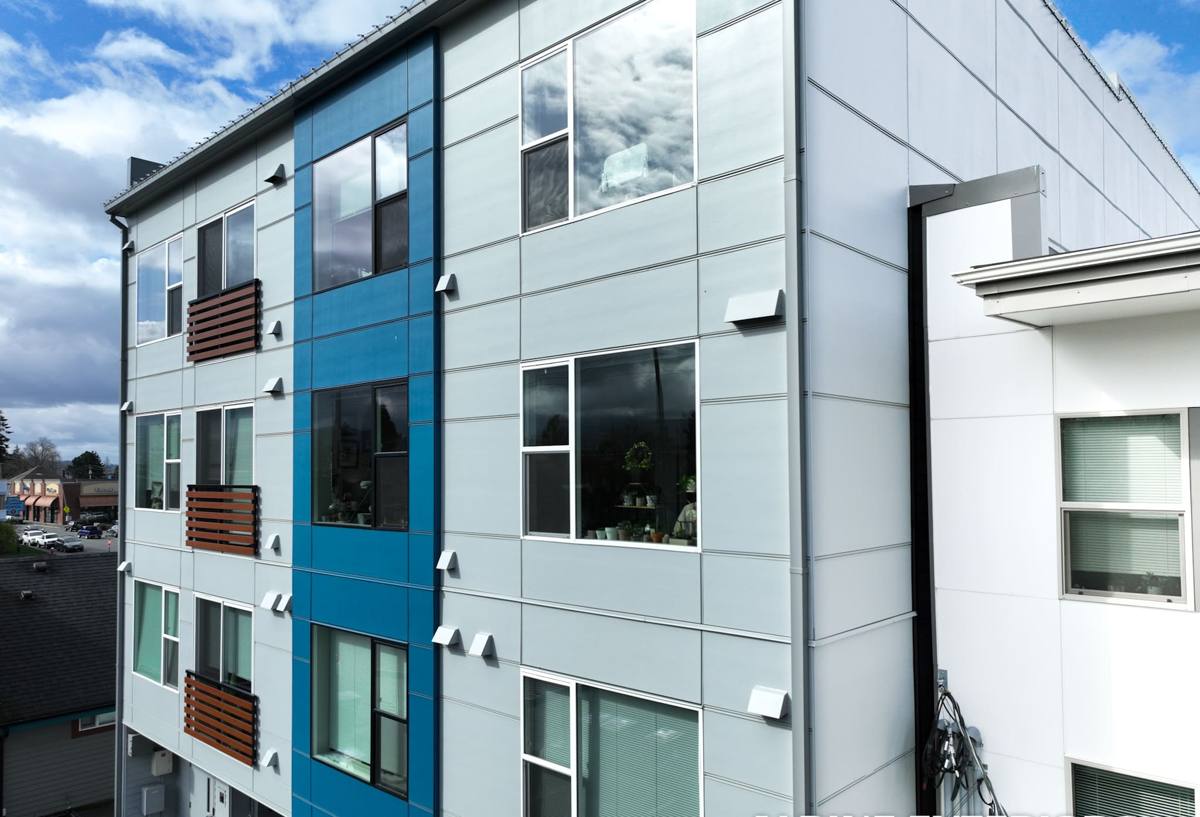
Why the Local Climate Is Hard on Windows
Skagit County's marine climate is generally mild, but "mild" doesn't mean easy on building materials. Three things do most of the damage to windows near the channel:
Salt Air
Homes close to the water pick up airborne salt that settles on glass, frames, and especially any exposed metal hardware or fasteners. Over years, salt exposure accelerates corrosion on lower-grade hardware, pits unprotected aluminum, and breaks down cheaper finishes faster than the same product would wear inland. It doesn't ruin a window overnight, but it shortens the life of anything not built or finished for coastal exposure.
Driving Rain
Storms coming off the water and through the channel often bring rain sideways, not straight down. That matters because a window can be perfectly watertight against vertical rain and still leak under wind-driven rain if the flashing, sill pan, and sealant details weren't done with lateral water intrusion in mind. Most window leaks we get called out to fix in this area aren't a bad window — they're a flashing detail that wasn't built for the way rain actually hits this coastline.
Moss and Sustained Moisture
Skagit County's long wet season keeps wood trim, sills, and shaded north- and west-facing walls damp for extended stretches. That's exactly the environment moss and mildew need to establish. On older wood windows and wood trim, sustained moisture plus organic growth is a slow path to rot if the wood isn't properly primed, sealed, and detailed to shed water instead of holding it.
None of this means La Conner is a bad place for windows — it means the install has to account for these three things specifically, rather than following a generic checklist built for a drier climate.
What a Correct Custom Window Installation Actually Involves
Accurate Measurement and Fabrication
Custom starts before the window is ever ordered. We measure the rough opening at multiple points because older framing is rarely perfectly square — width and height can vary by a half inch or more from top to bottom of the same opening. That measurement determines whether we're ordering a true custom-sized unit or a standard size with custom trim to close the gap. Getting this step wrong is the single most common cause of a window that never seals right, no matter how good the unit itself is.
Flashing and Moisture Management
This is the step that actually keeps driving rain out. A correct install includes a sloped sill pan so any water that gets past the exterior seal drains back out instead of pooling against the framing, side and head flashing integrated with the house wrap or building paper (not just caulked over the top of it), and drip caps or head flashing sized to shed water clear of the window rather than letting it run down the face of the frame. On homes with fiber cement, wood, or vinyl siding, the flashing has to tie into whatever weather-resistive barrier is already on the wall — it's not a standalone piece.
Sealing and Insulation
Around the frame, the gap between the window and the rough opening gets backed with low-expansion foam or backer rod and sealant — never packed solid with can foam, which can bow the frame and cause the sash to bind. On the interior and exterior, sealant beads go where the manufacturer's install instructions specify, not just "wherever looks finished," because skipping a joint is how bulk water finds its way behind the trim.
Hardware and Finish Selection
For anything within a few blocks of the water, we steer toward corrosion-resistant hardware and finishes rated for coastal or marine-grade exposure. It costs a little more up front and saves a homeowner from replacing pitted locks and cranks in eight years instead of twenty.
Choosing Materials for Salt Air and Wet Winters
There's no single "best" window material — the right call depends on the home's style, budget, and how exposed the opening is to wind and water. Here's how the common options hold up in this specific environment:
| Material | Salt Air Resistance | Moisture/Rot Risk | Best Fit |
|---|---|---|---|
| Vinyl | Good — won't corrode | Low; no wood to rot | Budget-conscious replacements, most home styles |
| Fiberglass | Very good — stable, low expansion | Low | Larger openings, waterfront exposure, long-term value |
| Wood-clad (exterior clad, wood interior) | Good if cladding is intact and sealed | Moderate — depends on maintenance | Historic character, interior wood look |
| Solid Wood | Requires diligent upkeep | Higher — needs regular repainting/sealing | Strict historic-district matching where required |
| Aluminum (uncoated or lower-grade) | Poor near salt air unless marine-rated | Low rot risk, but pitting/corrosion over time | Generally not our first recommendation this close to the water |
We're straightforward with clients about aluminum: it's not that the material can't work, it's that standard-grade aluminum finishes take a beating from salt air over the years, and we'd rather steer a homeowner toward a product that ages well here than sell what's easiest to install. For older wood-frame homes where matching the historic look matters, we'll talk through wood-clad options that keep the traditional appearance with better long-term weather performance than bare wood.
Our Process, Start to Finish
- On-site assessment — we look at each opening individually, check for existing water damage or rot in the framing, and note anything specific to the home's exposure (waterfront wind, shaded north wall, older siding, etc.).
- Measurement and product selection — precise measurements at multiple points per opening, plus a conversation about material, style, and grille pattern if the home has a look to match.
- Ordering and lead time — custom-sized units take longer than stock sizes to arrive; we give a realistic timeline up front rather than an optimistic guess.
- Removal and inspection — once the old window is out, we inspect the framing for hidden rot or moisture damage before anything new goes in. This is often where we find problems the homeowner didn't know about.
- Installation — sill pan flashing, window set and shimmed level and square, integration with the wall's weather barrier, insulation, and sealant per manufacturer spec.
- Interior and exterior finish — trim, casing, and paint or stain to match the home, inside and out.
- Final walkthrough — we check operation, seals, and cleanup before calling the job done.
Working with La Conner's Historic and Character Homes
A fair number of homes in and around La Conner — especially in the older parts of town — have a look worth preserving: narrow sightlines, specific trim profiles, true divided lites, or proportions that a generic replacement window flattens out. Where that matters to a homeowner, we match sash proportions, grille patterns, and trim details so the new window reads correctly on the house, rather than dropping in whatever's fastest to install. If a property falls under any local historic guidelines, we'll work within whatever those specific requirements are for that address — that's a conversation we have directly with the homeowner and, if needed, the relevant local office, rather than assuming one standard applies to every older home in the area.
What Affects the Cost of a Custom Window Project
We won't quote a number without seeing the openings, but these are the factors that actually move the price:
| Factor | Why It Matters |
|---|---|
| Opening size and shape | Non-standard or oversized openings cost more to fabricate than stock sizes |
| Material choice | Vinyl, fiberglass, and wood-clad carry different price points and lifespans |
| Number of openings | Whole-house replacements typically bring a better per-window rate than one-off jobs |
| Hidden framing damage | Rot found once the old window is out adds material and labor before the new unit goes in |
| Trim and finish work | Matching historic profiles or repainting/staining adds time beyond a basic install |
| Access and site conditions | Second-story, waterfront, or tight-access openings take longer to work safely |
Keeping Custom Windows Performing in This Climate
A well-installed window still needs a bit of upkeep in a salt-air, high-moss environment. A short seasonal routine goes a long way:
- Rinse salt residue off frames and glass a few times a year, especially on water-facing sides of the home
- Check and clear weep holes on vinyl and fiberglass frames so water can drain instead of pooling
- Look at exterior caulking and sealant joints each fall before the wet season sets in, and re-seal anything that's cracked or pulled away
- Keep moss and organic debris cleared off sills, trim, and any wood surfaces nearby — moss holds moisture against the material it's growing on
- Test operation of locks and cranks periodically; hardware that's starting to stick or resist is often an early sign of corrosion worth addressing before it fails
- Have wood-clad or wood-trimmed windows inspected for soft spots every year or two, particularly on shaded or north-facing walls
Why Hire a Crew That Already Works in La Conner
Windows installed by a crew unfamiliar with this specific stretch of Skagit County tend to get the generic version of the job — standard flashing details, standard hardware, no real read on which walls take the worst of the wind-driven rain. A crew that already works in and around La Conner has seen how these homes actually perform over time: which orientations leak first, which older framing tends to hide rot, and how salt air and moss season change the maintenance conversation. That local pattern recognition shows up in fewer callbacks and windows that are still sealing correctly a decade in, not just on installation day.
If you're weighing a window replacement or planning new construction openings in La Conner, we're glad to come take a look, measure what you've actually got, and give you a straight answer on what it needs. Reach out for a free, no-pressure estimate using the form below.