 Anacortes Siding
 Skyline Roofs Take a Different Kind of Beating
Skyline sits up on the west side of Fidalgo Island, with tree cover on most lots and open exposure to weather rolling in off Rosario Strait and the Salish Sea. That combination is tough on a roof in ways that a roof in a flatter, more sheltered part of Anacortes doesn't have to deal with as often. Wind gets funneled by the terrain and tree lines, gusts hit roof planes at odd angles, and branches come down on slopes that a roof in an open subdivision would never have to worry about.
Add in the salt air drifting up from the water and the long stretch of wet, low-sun months that Skagit County gets every year, and you've got a roof that's fighting on three fronts at once: wind-driven mechanical stress, moisture, and slow corrosion of metal components. None of that shows up as one dramatic failure most of the time. It shows up as small, quiet damage that gets worse every season it goes unaddressed.
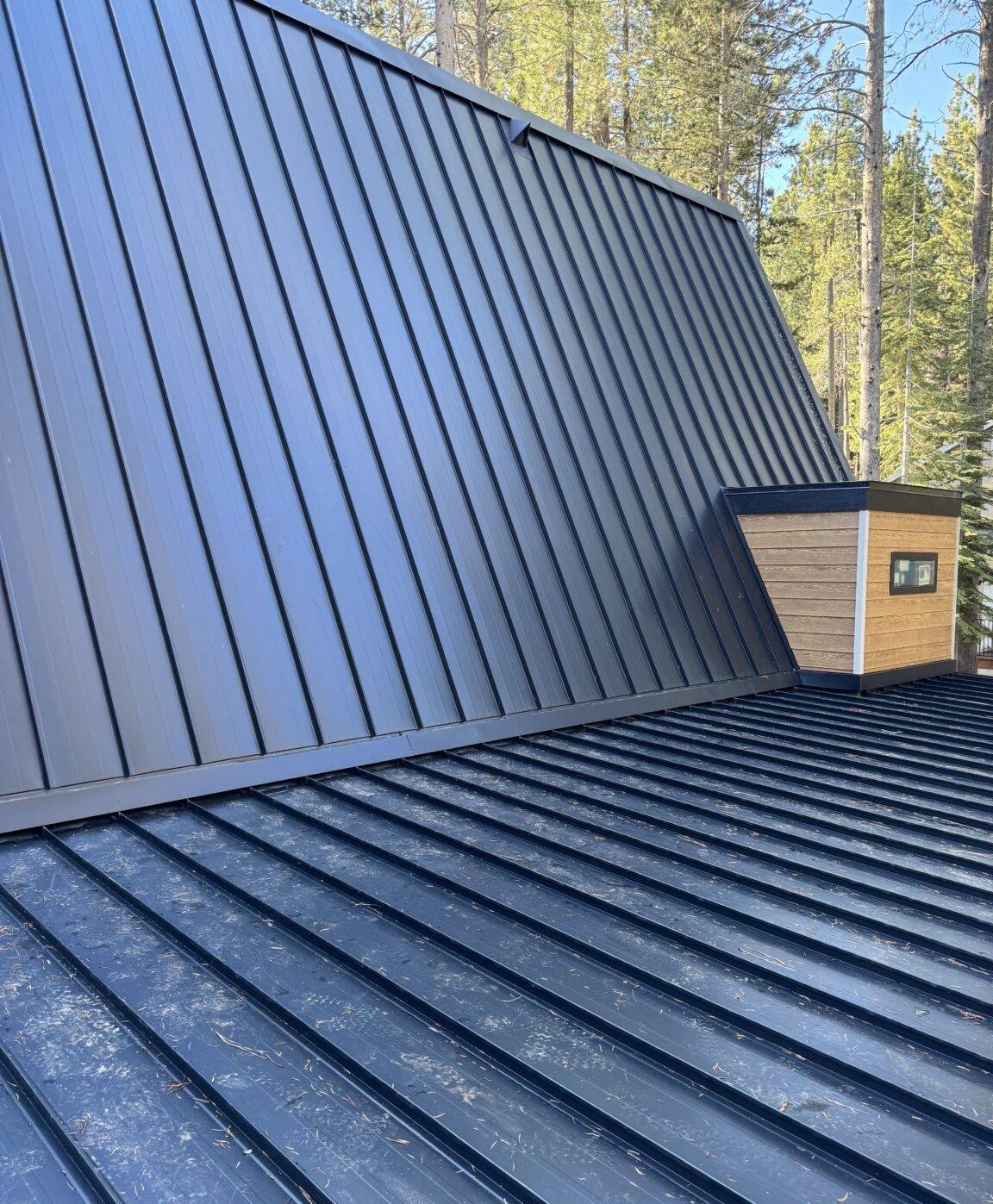
What Storm Damage Actually Looks Like Up Here
Wind Damage
Sustained wind and gusts off the water don't usually rip a roof apart in one go. More often they lift the edge of a shingle just enough to break the seal, crease a shingle without tearing it, or work a section of ridge cap loose. From the ground, a wind-damaged roof can look completely normal. Up close, it's a different story — creased tabs, lifted edges, and nail heads starting to back out.
Impact Damage From Trees
Wooded and partially wooded lots mean overhanging limbs, and a storm with any real wind will bring some of them down. Even a branch that doesn't punch through the roof deck can crack shingles, dent metal flashing, or knock granules loose in a way that shortens the life of that section of roof by years.
Flashing and Penetration Failures
Flashing around chimneys, vents, skylights, and valleys is where most active leaks actually start, not out in the open field of the roof. Wind stress and repeated wet-dry cycling loosen flashing seams over time, and one storm is often just the event that finally pushes a marginal flashing detail into an active leak.
Moss and Debris Buildup
This part isn't a single storm event, but it sets the stage for storm damage to matter more. Moss and needle debris hold moisture against the shingle surface, which accelerates granule loss and shingle aging, and it dams water in valleys and behind step flashing exactly where you don't want standing water during a heavy rain event.
The Damage You Can't See From the Yard
The damage that costs homeowners the most isn't usually the obvious stuff — it's what's happening under an intact-looking roof surface. A shingle can survive a storm visually while the seal underneath it has already broken, letting wind-driven rain work its way sideways under the shingle course above. Once water gets past the shingle layer, it's the underlayment and roof deck absorbing the hit, and that kind of moisture intrusion can sit there for months before it shows up as a stain on a ceiling inside the house.
That's the main reason a post-storm inspection matters even when nothing looks obviously wrong from the driveway. We're not just checking for missing shingles — we're checking seals, fastener condition, flashing laps, and decking for soft spots or discoloration that tells us water has already gotten in.
How We Approach a Storm Damage Repair
1. Inspection and Documentation
We walk the roof (or use a ladder and camera where pitch or access makes that unsafe) and document every area of concern with photos — lifted or missing shingles, flashing issues, deck condition where accessible, and gutter or downspout damage. This documentation is also what you'll want on hand if you're filing an insurance claim.
2. Emergency Protection
If there's active exposure — a hole, missing shingles over a vulnerable area, or damaged flashing letting water in — we get that covered and protected first, before anything else. The goal is to stop ongoing water intrusion, not to rush a full repair before it's been properly scoped.
3. A Clear, Written Scope
You get a plain-language explanation of what's actually damaged, what caused it, and what repairing it correctly involves — not a vague estimate. If a section needs full replacement rather than a patch, we'll tell you why, and we'll tell you if a patch is genuinely the right call instead of upselling a bigger job.
4. The Repair Itself
Matching materials, correct fastening patterns, proper flashing laps and sealant use, and — where the damage is from moss or debris buildup — clearing and addressing the underlying moss issue so the repair isn't just covering up a condition that will cause the same damage again next season.
5. Cleanup and Final Check
Debris, old materials, and dropped fasteners get cleared from the roof, gutters, and yard. We do a final walk of the repaired area and the surrounding roof plane before calling the job done.
Repair or Replace? How We Actually Decide
Not every storm-damaged roof needs to be replaced, and not every roof can be safely patched. The honest answer depends on the roof's age, the extent of the damage, and what condition the roof was in before the storm hit.
| Factor | Leans Toward Repair | Leans Toward Replacement |
|---|---|---|
| Roof age | Under roughly 12-15 years, still within useful life | Nearing or past expected lifespan for the material |
| Extent of damage | Localized — one slope, one flashing detail, isolated shingles | Widespread across multiple roof planes |
| Underlying condition | Deck and underlayment sound, no prior leak history | Soft decking, existing rot, or a history of repeat leaks |
| Moss/debris history | Manageable with cleaning and maintenance going forward | Long-term moss damage already compromised the shingle mat |
| Material availability | Matching shingles/materials still obtainable | Discontinued material makes a clean match impossible |
When a roof is genuinely on the fence, we'll walk you through the tradeoffs rather than defaulting to whichever option is more profitable for us. A well-executed repair on a roof with useful life left is often the right call, and we'll say so.
Working With Your Insurance Company
Most homeowners' policies cover sudden storm damage — wind, tree impact, and similar events — though coverage details, deductibles, and depreciation schedules vary by policy, so we're not the ones to give you a coverage answer. What we can do is document the damage thoroughly, provide a clear written scope and cost estimate, and be available if your adjuster has questions about what they're looking at on the roof. That documentation is often the difference between a claim that gets approved cleanly and one that gets pushback.
Moss, Salt Air, and Keeping a Skyline Roof Healthy Long-Term
Skagit County's wet season runs long, and shaded, wooded lots like a lot of what you see around Skyline stay damp longer than open, sun-exposed roofs. That's exactly the environment moss needs to establish itself, and once moss gets a foothold it holds moisture against the shingle surface year-round, not just during storms.
Salt air adds a second, slower problem: it accelerates corrosion on exposed metal — flashing, fasteners, gutter hardware — which is part of why we pay close attention to metal condition during any storm inspection up here, not just the shingle surface. A roof that's kept clear of moss buildup and has sound flashing holds up dramatically better through wind events than one that's already compromised going into storm season.
Why a Crew That Already Works Skyline Matters
A roofer who hasn't worked steep, tree-covered lots with tight access doesn't always plan for it — ladder placement, fall protection anchoring, and material staging all take more thought on a lot with limited clear ground space than on a flat, open subdivision roof. Crews who already work this neighborhood know what to expect before they show up: tree cover that needs to be worked around safely, roof pitches and access points that are common in the area, and the moss and moisture patterns that repeat from house to house here. That familiarity shows up in faster, more accurate diagnosis and fewer surprises mid-job.
What to Do in the First 24-48 Hours After Storm Damage
- Do a visual check from the ground only — don't get on the roof yourself, especially on a wet or windy day
- Look inside for ceiling stains, dampness in the attic, or musty smells near exterior walls
- Photograph any visible damage, debris, or downed limbs near the roofline for your own records
- Clear debris away from gutters and downspouts if it's safe to do so at ground level
- Cover a known active leak from the inside with a tarp or bucket to limit interior damage
- Call for a professional inspection before assuming the damage is minor or major — both guesses are common and both can be wrong
- Hold off on signing anything with a storm-chasing crew going door-to-door before getting a second opinion
Get a Straight Answer About Your Roof
If a recent storm has you wondering whether your roof needs attention, the fastest way to find out is a straightforward inspection — not a guess based on what you can see from the driveway. We'll tell you honestly what we find, what it means, and what your options are, with no pressure either way. Use the form below to request a free estimate for your Skyline home.