 Anacortes Siding
 Why Decks Near La Conner Wear Out Faster Than the Manuals Say
La Conner sits close to the Swinomish Channel and the open water of Skagit Bay, which means homes here deal with a steadier dose of salt-laden air than properties further inland. Add in Skagit County's long wet season, frequent driving rain off the water, and shaded yards that stay damp for months, and you have a climate that's genuinely harder on exterior wood structures than the national average. A deck built to a generic spec sheet often starts showing problems here years before it should.
We install and replace decks throughout the Anacortes area, and La Conner properties consistently show the same pattern: fasteners corroding faster than expected, moss colonizing shaded boards within a season or two, and framing that was never properly flashed taking on moisture at the ledger board. None of that is bad luck — it's what happens when a deck isn't built with this specific coastal, moss-prone climate in mind.
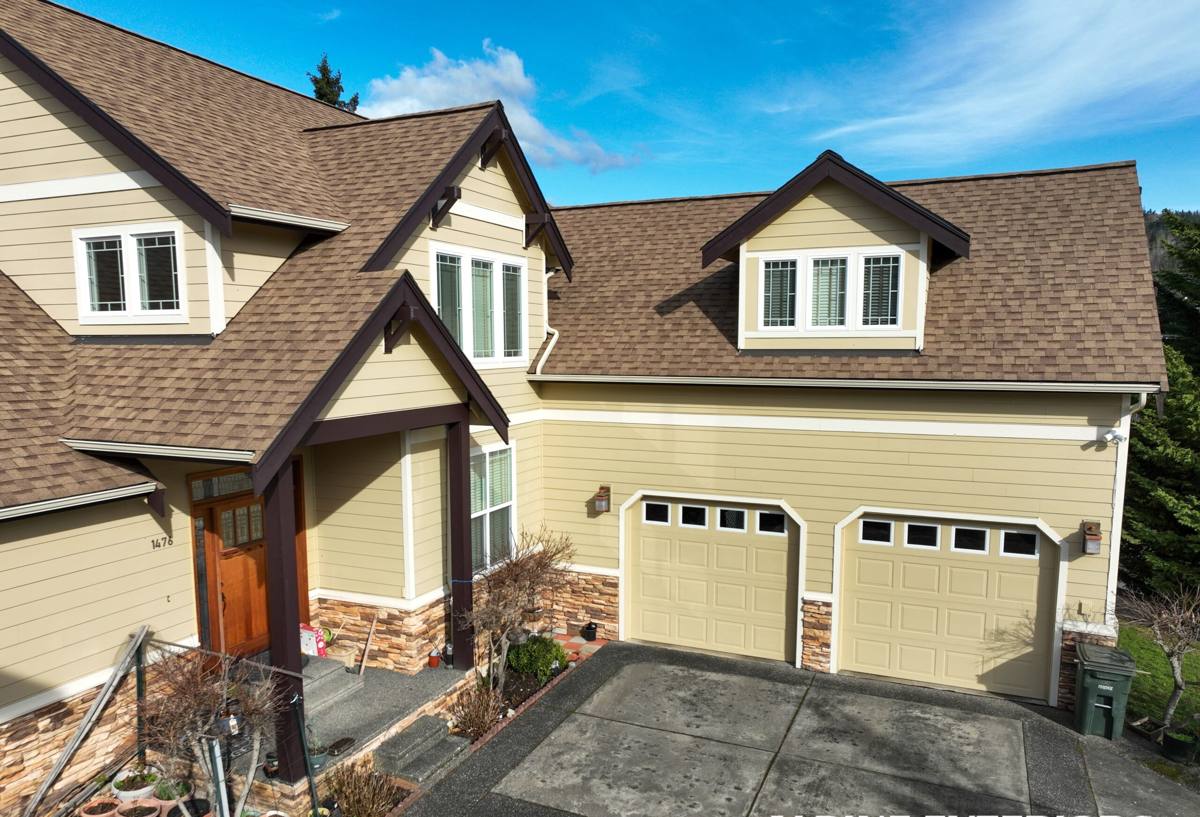
Signs a La Conner Deck Needs Replacement, Not Another Repair
Homeowners often ask us to "fix a few boards" when the real problem is underneath. Repair makes sense when the damage is isolated and the frame is sound. Replacement is the honest answer when the structure itself has been compromised. Here's how we tell the difference on a site visit:
- Soft, spongy, or spring-back decking across multiple boards, not just one or two
- Visible rot or dark staining at the ledger board where the deck meets the house
- Rust streaking or corroded fastener heads pulling loose from joists
- Persistent moss or algae film that returns within weeks of cleaning
- Railings or stairs that flex, wobble, or feel less solid than they should
- Gaps opening between boards from repeated wet-dry cycling
- A deck older than 15–20 years that has never had the substructure inspected
If it's one or two of these, repair is often reasonable. If it's several at once, the framing is usually telling you it's done — and patching the surface just delays a bigger problem underneath.
What a Correct Deck Replacement Actually Involves
It Starts Below the Surface
A deck is only as good as what's holding it up. Before we talk decking material, we look at footings, posts, beams, and joists. In this climate, undersized or poorly spaced footings and joists that were never rated for wet-use conditions are common shortcuts on older builds. We size the frame to current structural standards, not to whatever was there before.
The Ledger Connection Is the Single Biggest Failure Point
Where a deck attaches to the house is where most rot originates, because water gets trapped between the ledger and the siding if it isn't properly flashed. A correct install uses flashing that directs water away from the house, proper structural fasteners (not deck screws) rated for the load, and a gap or drainage plane so moisture doesn't sit and soak in. This one detail, done wrong, is responsible for more deck failures near the water than any other single cause.
Fasteners and Hardware Matter More Here Than Inland
Salt air accelerates corrosion on standard fasteners. We use stainless steel or heavy hot-dip galvanized hardware rated for coastal and treated-lumber exposure, along with joist hangers and structural connectors sized to code. Cutting corners on hardware is invisible on install day and expensive five years later.
Drainage and Airflow Under the Deck
Standing water and trapped moisture under a low deck are what feed moss and rot. We grade and gap the frame to let water shed and air move underneath, which matters more in a shaded, damp yard than it does on a sunny inland lot.
Choosing the Right Decking Material for This Climate
There's no single "best" decking material — there's the right trade-off for your budget, sun exposure, and how much maintenance you actually want to do. In a moss-prone, wet climate, some materials handle the conditions with far less upkeep than others.
| Material | Moisture & Moss Behavior | Maintenance | Typical Lifespan |
|---|---|---|---|
| Pressure-treated wood | Absorbs moisture; needs sealing to resist moss and staining | Annual cleaning, re-sealing every 1–3 years | 10–15 years with upkeep |
| Cedar | Naturally rot-resistant but still absorbs water; moss grows on unsealed surfaces | Regular cleaning and periodic sealing | 15–20 years with upkeep |
| Composite decking | Sheds water well; some early-generation boards trapped moisture at the core | Occasional washing; no sealing or staining | 25–30 years |
| PVC / capped polymer | Fully water-resistant surface, best moss and mildew resistance | Lowest maintenance of the group | 25–30+ years |
We install all of these, but for shaded, damp La Conner lots we generally steer homeowners toward composite or capped polymer decking when budget allows. It's not that wood is a bad product — it's that wood asks for a maintenance commitment (sealing, cleaning, spot-treating moss) that a lot of busy homeowners underestimate in a climate this wet. If you want the look and feel of real wood and are willing to keep up with it, cedar is still a solid honest choice — we'll tell you straight what that upkeep actually looks like before you commit.
Our Deck Replacement Process
- Site visit and assessment — we inspect the existing deck, ledger, footings, and framing to determine what's failing and why, not just what's visible.
- Honest scope and estimate — you get a clear breakdown of what needs replacing, material options with real trade-offs, and a written price before any work starts.
- Permitting — most deck replacements in Skagit County and the Anacortes area require a permit, especially for structural work. We handle the paperwork so you're not chasing it down.
- Demolition — full removal of the old decking, and framing where needed, with the site protected and debris hauled off.
- Framing and flashing — footings, posts, joists, and ledger flashing done to current structural standards, sized for this climate.
- Decking, railings, and stairs — installed to manufacturer spec with corrosion-resistant fasteners throughout.
- Final walkthrough — we go over the finished deck with you, including what maintenance (if any) it needs going forward.
Permits and Codes: What to Expect
Deck replacement that involves new footings, framing, or a change in size or height typically needs a building permit locally, and the requirements can differ slightly between Anacortes proper and unincorporated Skagit County areas around La Conner. Guardrail height, stair rise and run, and footing depth all have code minimums that inspectors check. We build to pass inspection the first time — it's part of doing the job right, not an extra step we add to the price.
Protecting Your New Deck From Moss and Weather Going Forward
However well a deck is built, La Conner's climate doesn't stop working on it once we leave. A little seasonal attention goes a long way toward protecting the investment:
- Sweep debris and fallen leaves off the deck regularly, especially in fall, so moisture doesn't get trapped against boards
- Rinse or gently wash the surface a few times a year to keep moss spores from taking hold, more often in heavily shaded areas
- Trim back overhanging branches and vegetation to let sunlight and airflow reach the deck surface
- Check the ledger flashing and any caulked joints once a year for gaps or wear
- For wood decking, plan on resealing on the schedule your specific product calls for — skipping a cycle is when moss and rot get a foothold
- Keep gutters and downspouts near the deck clear so runoff isn't draining directly onto it
Why Hire a Crew That Already Works in La Conner
A contractor who mostly builds decks in drier inland climates will size lumber, choose fasteners, and detail flashing the way the manual says — and the manual isn't written for salt air and a moss season that can run half the year. We work throughout the Anacortes area, including La Conner, regularly enough to know which details actually matter here: where moss takes hold first, which fastener grades hold up near the water, and how local permitting offices want ledger and footing details documented. That's not a marketing point — it's the difference between a deck that needs real work again in eight years and one that doesn't.
We also stand behind the work with a straightforward warranty on our labor and installation, separate from whatever coverage the material manufacturer provides. You'll know exactly what's covered by us and what's covered by the product before we start.
Get a Free, No-Pressure Estimate
If your deck is showing its age — soft boards, moss that keeps coming back, or a structure that just doesn't feel as solid as it used to — we're happy to take a look and give you a straight answer about repair versus replacement. Use the form below to request a free estimate, and we'll walk the deck with you and lay out your options in plain terms.