 Anacortes Siding
 La Conner sits low along the Swinomish Channel, close enough to the water that the same conditions shaping the rest of coastal Skagit County — salt-laden air, wind-driven rain, and a moss season that can run most of the year on shaded walls — show up in window openings here just as reliably as they do anywhere else on this stretch of coast. Older homes near the channel and newer builds a little further back both deal with the same basic problem: windows are one of the most common places for a house to lose its weather seal, and getting a replacement or new installation right matters more here than it does somewhere drier and further inland.
We're an Anacortes-based crew that already works this area regularly, and window installation in a waterfront community like La Conner is different work than the same job done twenty miles inland. This page covers what that difference actually looks like — what local homes need, what a correct installation involves, and how we handle the job from first look to finished trim.
Why Window Installation Looks Different in La Conner
A window opening is one of the more vulnerable spots in a wall assembly under normal conditions, because it's a deliberate break in the weather barrier that has to be resealed by hand, correctly, every single time. In a marine environment like La Conner, that vulnerability gets tested harder and more often. Wind off the channel drives rain sideways into wall assemblies rather than letting gravity carry it straight down, which means water finds gaps around a window that would go untested in a calmer setting. Salt-laden air accelerates corrosion on hardware, fasteners, and lower-grade frame components faster than it would a few miles inland. And the damp, often shaded conditions common on this stretch of coastline support moss and mildew growth on trim and sills for a large part of the year, not just a few wet months.
None of that means window installation here is exotic or requires anything unusual. It means the ordinary steps — flashing, sealing, fastening, trim integration — carry less margin for error than they would somewhere with milder weather, and a rushed or generic installation is more likely to show problems sooner.
What Local Homes Actually Deal With
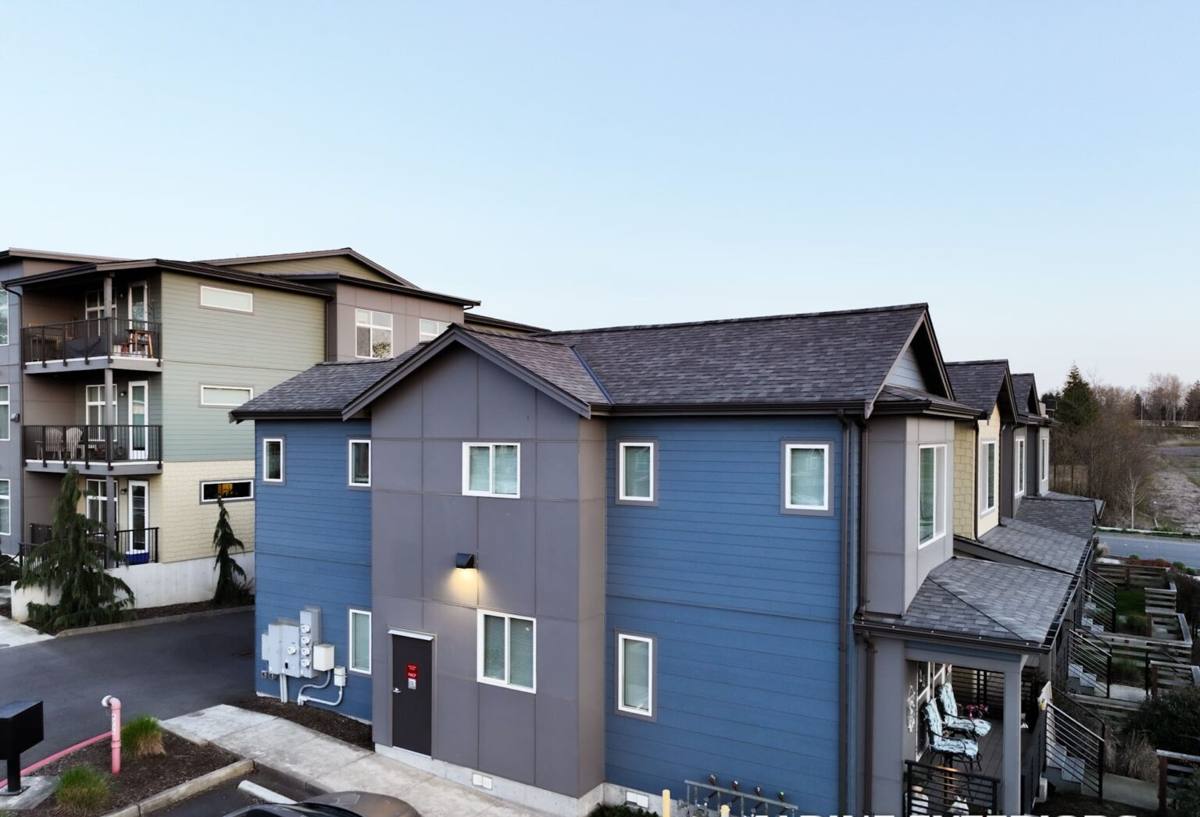
La Conner's housing stock is a mix of older homes close to the water and newer or renovated properties set back a bit further, and each brings its own set of window issues.
Older, Weather-Worn Homes
Homes that have spent years exposed to channel wind and salt air often show it in their windows before anywhere else on the house — swollen or rotting wood sashes, failed seals fogging the glass, hardware that's corroded to the point of not latching properly, and caulk lines that have cracked and let water track behind the trim. On older construction, opening sizes may also predate current manufacturer standards, which sometimes means a replacement needs custom sizing or minor reframing rather than a straight swap.
Newer Construction and Additions
Newer or renovated homes generally have more consistent opening sizes and better original flashing, but they're not exempt from the climate. Larger view-oriented windows facing the channel add more glass area and more perimeter to flash correctly, and a poor installation on a new home can start showing drafts or moisture staining within a few years rather than a few decades.
Signs a La Conner Home Needs Window Work
- Visible fogging or condensation between panes, which means the seal on a double- or triple-pane unit has failed
- Drafts you can feel around the frame, especially noticeable during windier weather off the channel
- Wood trim or sills that are soft, discolored, or showing rot when pressed
- Hardware — locks, cranks, hinges — that's stiff, corroded, or no longer closing tightly
- Paint or finish failing faster on window trim than on the rest of the exterior
- Persistent moss or dark staining on sills and lower trim, especially on shaded or north-facing walls
- A noticeable rise in heating costs without another clear explanation
What a Correct Window Installation Involves
Assessment and Measurement
We start on-site, not with a catalog. That means measuring the actual opening, checking it for square and level, and looking at the condition of the framing and sheathing behind the existing window — because on an older La Conner home, what's hiding behind the trim sometimes tells a different story than what's visible from outside. This is also where we flag anything that needs custom sizing or reframing before ordering.
Removal Without Collateral Damage
Pulling the old unit is where hidden problems usually surface — soft framing, missing or failed flashing, insulation that's absorbed moisture over the years. We address what we find before setting the new window, rather than installing over a problem and letting it resurface later.
Flashing and Weatherproofing
This is the step that matters most given the exposure here, and it's the one a corner-cutting installation is most likely to shortcut because it takes real time to do correctly. Flashing has to be sequenced so that water is shed outward and downward at every layer — head flashing above the window, properly lapped side flashing, and a sill pan that directs any water that does get past the outer seal back outside the wall instead of into the framing. Skipped or reversed flashing is one of the most common causes of hidden rot behind a window that looks fine from the outside.
Setting, Shimming, and Sealing
The new unit gets set plumb, level, and square, shimmed correctly so it isn't relying on fasteners alone to hold its shape, and sealed with materials rated for sustained marine exposure rather than a generic caulk that will fail early in this climate.
Trim and Finish
Exterior trim gets integrated to match the surrounding siding and finished with a sealant and paint or stain system built to hold up to UV, salt air, and a long wet season — not just look good on installation day.
Frame Material Trade-Offs for a Channel-Side Climate
Frame material choice matters more here than it does inland, since sustained moisture and salt exposure test every material differently over time. We'll walk through the honest trade-offs for your specific home rather than defaulting to whatever's fastest to install.
| Frame Material | Strengths | Trade-Offs in This Climate |
|---|---|---|
| Vinyl | Lower cost, no painting required | Can become brittle with long-term UV and salt exposure; color options are fixed and can't be refreshed |
| Fiberglass | Strong, dimensionally stable, holds up well to moisture and temperature swings | Higher upfront cost than vinyl |
| Wood | Traditional appearance, especially on older or historic-style homes | Needs regular maintenance to resist rot and moss in a damp marine environment |
| Wood-clad (exterior composite or aluminum, wood interior) | Low-maintenance exterior with a traditional interior look | Exterior cladding quality varies — worth discussing case by case |
There isn't a single right answer for every home. A weather-facing wall close to the channel usually points toward fiberglass or a well-protected clad option; a more sheltered wall gives more flexibility. We'll look at your home's actual exposure before recommending anything.
Our Process, Start to Finish
- On-site assessment — we measure the opening, check the surrounding framing, and evaluate exposure and any moisture history specific to that wall
- Honest recommendation — standard replacement, custom sizing, or opening repair, explained with the reasoning behind it
- Product and material selection — frame material and glass package matched to that wall's actual exposure, not a one-size answer
- Removal and prep — old units come out carefully, with any hidden framing or flashing issues addressed before the new window goes in
- Installation and flashing — set, shimmed, and flashed to a sequence built for marine exposure, not a generic manufacturer minimum
- Trim, seal, and finish — exterior trim integrated and finished to match the rest of the home
What Drives Cost on a Window Job
We won't quote a number without seeing the openings in person, but a handful of factors consistently move price on window work in this area:
| Factor | Why It Matters |
|---|---|
| Number and size of openings | More or larger windows mean more material and labor |
| Standard vs. custom sizing | Custom or reframed openings take longer and cost more than a like-for-like swap |
| Frame material | Vinyl, fiberglass, and wood-clad options carry different upfront costs |
| Condition of the existing opening | Rot or moisture damage found during removal adds repair work before the new window can go in |
| Wall exposure | A channel-facing wall may call for higher-grade sealants and flashing detail than a sheltered wall |
| Glass package | Double- vs. triple-pane and coatings affect both cost and energy performance |
Why Hiring a Crew That Already Works La Conner Matters
Manufacturer installation guidance is written for average conditions, not for a channel-side marine environment. A crew that already does regular window work in La Conner and around Anacortes has seen which parts of that guidance are non-negotiable here — the sill pan that gets skipped on a rushed job, the sealant grade that fails early under sustained salt exposure, the flashing lap that needs to be more generous on a wall that takes rain straight off the water. Those are decisions that don't usually come up in a sales conversation, but they're what separates a window installation that's still performing cleanly in fifteen years from one that's showing drafts and soft trim in five.
Local experience also means fewer surprises on scheduling and material lead times, since we already know what tends to be in stock locally versus what needs to be special-ordered for this area.
What to Ask Before Hiring for Window Work
- Ask how they handle flashing and sill pans specifically, not just "we seal everything"
- Ask what sealant and material grades they use, and whether those are rated for marine or coastal exposure
- Confirm current Washington contractor licensing and insurance
- Get a written scope of work before anything is ordered or removed
- Ask how labor and the window unit itself are each covered under warranty — they're often separate
- Ask whether they've done work specifically in La Conner or similar waterfront communities nearby
Maintaining New Windows in This Climate
A correct installation is most of the battle, but a little upkeep extends the life of any window here. Rinsing accumulated salt film off frames and glass periodically helps slow corrosion and buildup, especially on channel-facing walls. Keeping weep holes clear lets any water that does get into the frame track back out instead of pooling. And checking exterior caulk lines once a year for cracking or separation catches small sealant failures before they turn into water intrusion behind the trim. None of this replaces a correct installation — it's what keeps a correct installation performing the way it's supposed to for the long haul.
If you're dealing with drafty, foggy, or aging windows in La Conner, or planning new construction near the channel, it's worth having someone look at the actual openings before you start comparing quotes or products. We offer free, no-pressure estimates for window installation in La Conner and the surrounding Anacortes area — use the form below to get a time on the schedule.