 Anacortes Siding
 Windows in La Conner Work Harder Than Windows Inland
La Conner sits right on the water in Skagit County, and that location shapes everything about how a window ages here. Salt-laden air off the channel settles on glass, frames, and hardware year-round. Driving rain off Puget Sound doesn't just fall straight down — wind pushes it sideways into siding and window trim, which is exactly the direction most old windows were never designed to resist. And the long gray stretch from fall through spring keeps everything damp long enough for moss and mildew to take hold on sills, tracks, and exterior trim that doesn't get much sun.
None of that is unique to any one street or neighborhood in La Conner — it's the character of the whole area, from homes close to the channel to those set back a few blocks. What it means practically is that a window replacement done right here has to account for moisture management and corrosion resistance as a baseline, not an upgrade. A window that would be fine in a drier inland town can fail early in La Conner if it's installed without that in mind.
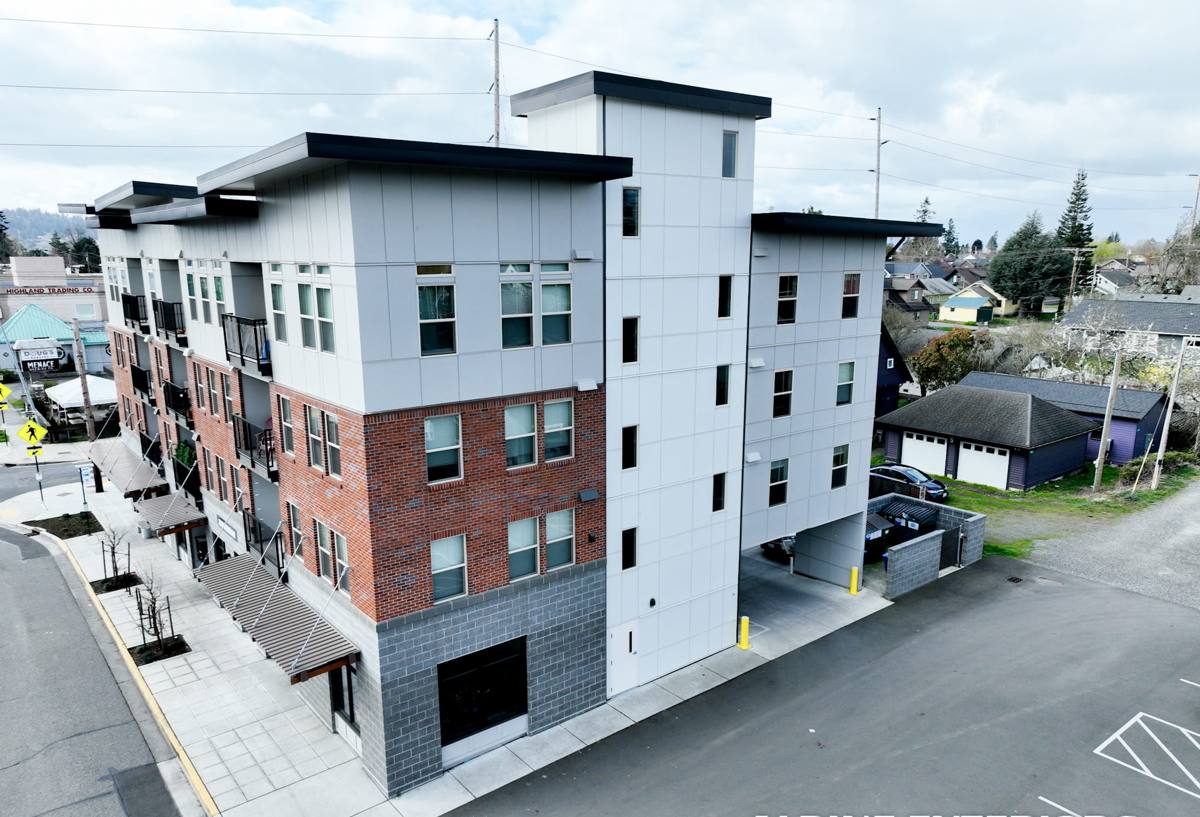
Signs a La Conner Home Needs New Windows
Older wood or aluminum windows in this area tend to show trouble in predictable ways. Worth checking before you decide whether you need a full replacement or just repairs:
- Fogging or a milky haze between panes on double-pane units — the seal has failed and moisture is trapped inside the glass
- Soft or discolored wood at the bottom corners of the sash or sill, often the first place rot shows up
- Corroded, pitted, or hard-to-turn hardware — locks, cranks, and hinges take the brunt of salt exposure
- Visible daylight or a noticeable draft around the frame when the wind is blowing off the water
- Green or black growth building up in the tracks or on exterior trim that stays shaded most of the day
- Paint that's bubbling or peeling specifically on the window side facing prevailing weather, even if the rest of the trim looks fine
One or two of these on their own might mean a repair is enough. Several at once, especially on windows over 20 years old, usually means the frame and seals are past the point where patching makes sense.
What a Correct Installation Actually Involves
Flashing and Moisture Control Come First
The window unit itself matters less than what happens around it. Most window failures we see in this climate aren't the glass or the frame — they're water getting behind the trim because flashing was skipped, installed in the wrong order, or reused from the old window. A correct installation means self-adhered flashing tape at the sill and jambs, a proper drainage path so any water that does get behind the cladding has somewhere to go, and sealant used at the right points — not everywhere, which can trap moisture instead of shedding it.
Fit and Fastening
Wind-driven rain finds gaps. That means the rough opening has to be sized correctly, the unit shimmed and leveled so it isn't racked, and fasteners set per the manufacturer's schedule rather than "close enough." A window that's slightly out of square won't seal the same on all four sides, and that's usually where the first leak shows up two or three winters later.
Sealing Without Sealing It Shut
Interior and exterior caulking both matter, but they're not interchangeable. Exterior sealant sheds bulk water; it isn't meant to be the only line of defense. Interior air sealing stops drafts and condensation. Confusing the two — or relying on caulk alone instead of proper flashing — is a shortcut that looks fine on installation day and causes problems by the second wet season.
Choosing Materials for a Marine Climate
Not every frame material handles salt air and constant moisture the same way. Here's how the common options compare for a home in this area:
| Frame Material | Salt Air / Moisture Behavior | Maintenance |
|---|---|---|
| Vinyl | Won't corrode or rot; performs consistently in coastal air | Low — occasional cleaning |
| Fiberglass | Very stable, resists moisture and temperature swings well | Low |
| Aluminum (uncoated or older stock) | Prone to pitting and corrosion near salt water over time | Moderate to high |
| Wood (unclad) | Handsome, but needs consistent upkeep to resist rot in a wet climate | High — regular painting/sealing |
| Wood-clad | Wood interior with a protective exterior shell; better moisture resistance than bare wood | Moderate |
We don't push one brand over another, but as a matter of professional standard, we steer homeowners away from bare aluminum and unclad wood on directly exposed elevations in La Conner unless there's a strong appearance reason to keep them — the maintenance burden in this climate is real, and we'd rather tell you that up front than sell you a callback in five years. Vinyl, fiberglass, and clad-wood options all hold up well here when properly installed and fit most budgets and styles.
Glass Packages Worth Considering
Double-pane, low-E glass is the practical standard for this climate — it cuts down on both heat loss and the condensation that shows up on cold, damp mornings. Argon-filled units add a modest efficiency bump. Triple-pane is available and helps most with sound and comfort near busier roads, but it's a bigger investment and not always necessary for a typical La Conner home; we'll walk through whether it makes sense for your specific windows rather than upselling it by default.
Our Process
- On-site assessment: we look at your existing windows, siding condition around each opening, and any signs of past water intrusion before recommending anything
- Honest scope and quote: full-frame replacement where the frame or sill is compromised, insert replacement where the existing frame is sound — we'll tell you which applies and why
- Old window removal: careful removal that lets us inspect the rough opening for hidden rot before it's covered back up
- Flashing and prep: proper moisture barrier and flashing detail at every opening, regardless of how the old one was done
- Installation: unit set, leveled, shimmed, and fastened to spec, then sealed correctly inside and out
- Walkthrough: we operate every window with you before we consider the job done — smooth operation, proper latch engagement, and a clean finish
What Affects Cost
Every home is different, but the main cost drivers on a La Conner window job are consistent:
| Factor | Why It Matters |
|---|---|
| Full-frame vs. insert replacement | Full-frame costs more but is necessary when the existing frame or sill has rot or moisture damage |
| Frame material | Vinyl is typically the most budget-friendly; fiberglass and clad-wood cost more upfront but often less over time in this climate |
| Number and size of openings | Larger or specialty-shaped windows (bays, picture windows) take more labor and custom sizing |
| Condition behind the old window | Hidden rot or water damage found during removal can add scope — we'll always show you before proceeding |
| Access and site exposure | Waterfront-adjacent or hard-to-access elevations can affect labor time |
We'd rather give you a broad, honest range during the estimate than a number that changes halfway through the job. Most single-window replacements land in a moderate range, with full-house projects scaling from there depending on the factors above — we'll break it down line by line so you know what you're paying for.
Timing the Job Around Local Weather
Skagit County's wet season runs long, and moss growth tends to pick up wherever surfaces stay shaded and damp for extended stretches. That affects scheduling more than most homeowners expect. Installing during a dry stretch protects the open wall cavity during the swap and gives sealants and flashing tape the conditions they need to bond properly. We watch the forecast and plan installation days around it rather than pushing through weather that compromises the work — a rushed install in the rain is one of the more common ways a "new" window ends up leaking within the first year.
Why Local Experience Matters Here
A crew that regularly works in and around La Conner already knows what this specific stretch of coastline does to a window over time — which corners tend to rot first, which hardware corrodes fastest, which elevations take the worst of the driving rain. That's not something you can fully substitute with a generic install checklist. It also means we're familiar with the practical realities of working on homes here, including that some properties sit within La Conner's historic district, where street-facing window replacements may be subject to local design review. If that applies to your home, it's worth checking with the town before ordering windows — we're happy to talk through what we've seen on similar projects.
Being local also means we're not driving in from out of the area for a callback. If a seal needs adjusting or a question comes up two winters after installation, we're still working in this area and easy to reach.
Ready When You Are
If your windows in La Conner are showing their age — fogged glass, stuck sashes, drafts, or visible wear from the salt air and rain — we're glad to take a look and give you a straightforward assessment of what's actually needed. Use the form below to request a free, no-pressure estimate, and we'll walk the property with you and talk through your options honestly.