 Anacortes Siding
 Windows in March Point Take a Different Kind of Beating
March Point sits out on the water side of Anacortes, which means the homes here deal with a combination of weather stress that inland Skagit County properties simply don't see as often. You've got salt-laden air coming off the water, wind-driven rain that hits window assemblies sideways instead of straight down, and a wet, shaded season every year that lets moss and algae take hold on anything that stays damp too long. None of that is exotic weather — it's just steady, year-round exposure that adds up faster than most homeowners expect.
Windows are one of the first places that exposure shows up. A window that was installed correctly and flashed properly will shrug off decades of this. A window that was installed with shortcuts — caulk instead of proper flashing, no drainage plane, trim tucked in the wrong order — starts failing years before it should, usually quietly, behind the wall, long before you see it on the surface.
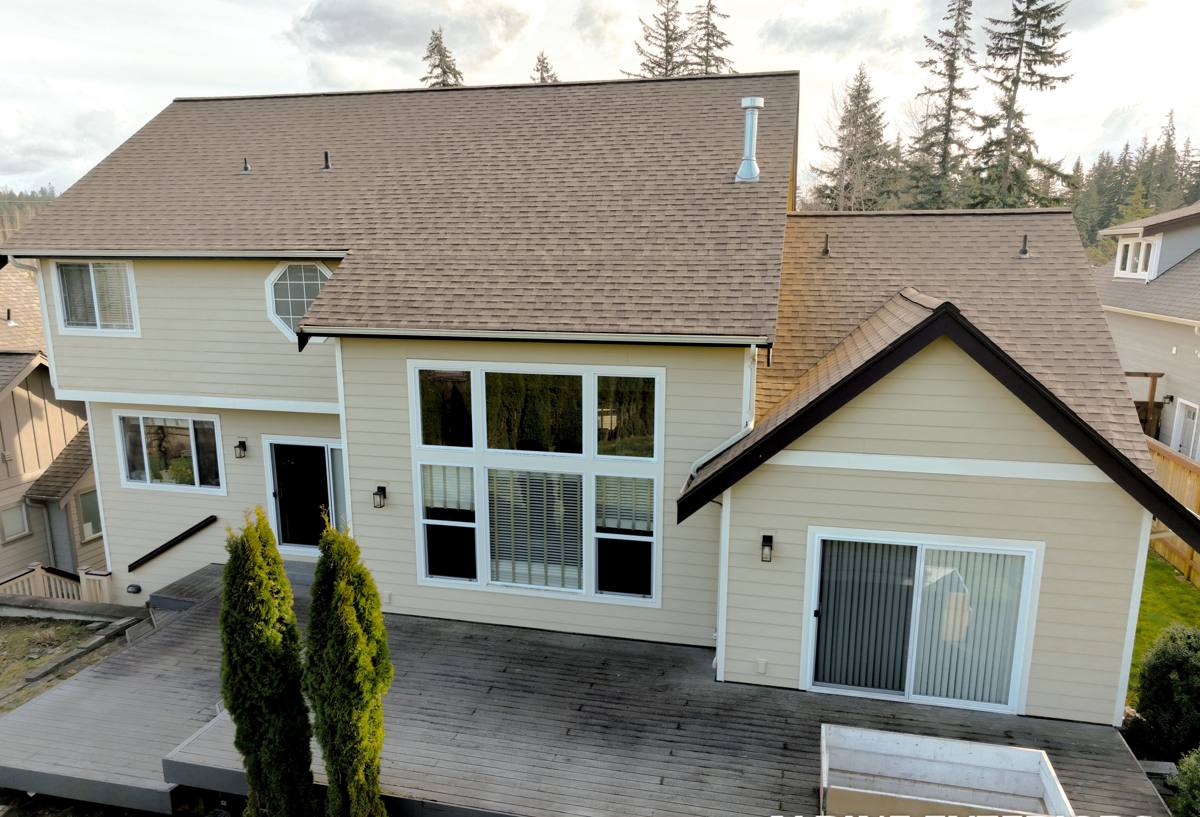
What Salt Air, Driving Rain, and Moss Season Actually Do to a Window
Salt Air
Salt exposure accelerates corrosion on hardware — hinges, locks, balance mechanisms, and any exposed fasteners. It also breaks down some finishes faster than the manufacturer's inland warranty testing assumes, which is why frame material and finish matter more here than they would on the same house twenty miles east.
Driving Rain
Wind off the water doesn't just fall on a window — it pushes into it. That means water gets forced into gaps, seams, and joints that would stay dry in a calm rain. If the flashing and water management behind the trim aren't built for that pressure, water finds its way into the wall assembly rather than shedding off the surface.
Moss and Algae Season
Shaded, moisture-holding surfaces around window trim, sills, and lower corners are prime real estate for moss and algae growth for a good chunk of the year. Beyond the cosmetic issue, sustained organic growth holds moisture against wood trim and caulk lines, which shortens the life of both.
Signs Your Current Windows Are Losing That Fight
Most window failures don't announce themselves with a flood. They show up gradually, and homeowners often chalk them up to "old house" quirks rather than a failing installation. Worth checking for:
- Soft or discolored trim or sill wood, especially on the sides that face the water or prevailing wind
- Condensation building up between panes on double- or triple-glazed units — a sign the seal has failed
- Drafts you can feel even when the window is fully latched
- Paint or finish bubbling or peeling around the window frame specifically, not the wider wall
- Difficulty opening, closing, or locking that wasn't there a year or two ago
- Persistent moss, algae, or dark streaking on the sill or lower trim that comes back within weeks of cleaning
- Musty smell near a window that isn't explained by anything else in the room
Any one of these on its own isn't necessarily an emergency. Several of them together, or any sign of soft wood, usually means water has been getting past the window assembly for a while.
What a Correct Installation Actually Involves
The window unit itself gets most of the attention, but in a climate like this, the installation details matter as much as the product. A correct job includes:
Proper Flashing and Water Management
Flashing tape and pan flashing at the sill, integrated correctly with the house wrap or weather-resistive barrier, so any water that does get past the exterior trim has a built-in path back out — not into the wall cavity.
Sequencing That Respects Gravity
Every layer — house wrap, flashing, trim, sealant — has to be installed in the right order so water always sheds down and out, never up and behind the layer before it. This is the single most common thing done wrong on rushed installs, and it's invisible until the wall starts showing damage.
Air Sealing Without Trapping Moisture
The window needs to be sealed against drafts, but sealed in a way that still lets any incidental moisture escape rather than get trapped in the frame cavity.
Correct Shimming and Leveling
A window that's out of square puts uneven stress on the frame, which shortens the life of weatherstripping and hardware and can cause operable windows to bind or fail to seal fully.
Choosing Materials for a March Point Property
There's no single "best" window material — the right choice depends on how exposed your specific elevation is, your budget, and how much upkeep you want to take on. Here's how the common options generally compare for a home dealing with salt air and driving rain:
| Frame Material | Salt Air / Corrosion Resistance | Maintenance | Typical Trade-Off |
|---|---|---|---|
| Vinyl | Good — no corrosion risk on the frame itself | Low | Fewer color/finish options; hardware quality varies by manufacturer |
| Fiberglass | Very good — stable in wet, salty conditions | Low to moderate | Higher upfront cost than vinyl |
| Wood (clad exterior) | Moderate — depends entirely on cladding integrity | Higher — cladding and seals need regular checks | Best interior appearance, but exterior exposure needs vigilance |
| Aluminum | Poor to moderate without marine-grade coatings | Moderate | Thermal performance and corrosion resistance both need upgraded finishes near the water |
Hardware is worth the same scrutiny as the frame. Locks, hinges, and balance systems in stainless or corrosion-resistant coated hardware hold up noticeably longer this close to the water than standard-grade hardware built for inland markets.
Our Process for a March Point Window Job
- Assessment. We look at existing window condition, framing, and any signs of water intrusion before we talk product — not after.
- Product selection. We walk through frame material, glazing, and hardware options based on your home's actual exposure, not a one-size-fits-all package.
- Removal. Old windows and trim come out carefully, and we check the rough opening and sheathing underneath for any hidden rot or damage before anything new goes in.
- Flashing and prep. This is the step that determines how the window performs for the next 20-plus years, and it's not visible once trim goes back on — so we don't rush it.
- Installation and sealing. The window is set, shimmed level and square, and sealed using materials rated for sustained wet, salt-exposed conditions.
- Trim and finish. Exterior trim is reinstalled or replaced and finished to shed water, with attention to the corners and sill where moss and algae tend to take hold first.
- Walkthrough. We check operation, sealing, and cleanup with you before we call it done.
What Affects Cost
Every home and window opening is different, so exact pricing depends on a site visit. In general, these are the factors that move the number:
| Factor | Why It Matters |
|---|---|
| Frame material and glazing package | Vinyl, fiberglass, and clad-wood options each carry a different material cost |
| Number and size of openings | Larger or custom-sized windows cost more to source and install |
| Condition of the existing opening | Rot or framing damage found during removal adds repair scope |
| Elevation and exposure | Water-facing or wind-exposed sides may call for upgraded flashing and hardware |
| Trim and finish work | Full trim replacement costs more than reusing sound existing trim |
We'll always give you a straightforward range and explain what's driving it — no inflated "emergency" pricing and no pressure to upgrade beyond what your home actually needs.
Why Local Experience in March Point Matters
A crew that mostly works inland jobs can still install a window correctly on paper, but they may not think about pan flashing depth, hardware corrosion resistance, or drainage in the same way as a crew that deals with this specific stretch of Skagit County water exposure regularly. Knowing which elevations on a March Point home typically take the worst of the wind and rain, and building the installation accordingly, is the kind of judgment that comes from doing the work here repeatedly — not from a general specification sheet.
It also means we're realistic with you about maintenance. A window installed correctly for this environment still needs occasional attention — clearing debris from sills, checking caulk lines annually, keeping moss from establishing on trim — and we'll tell you what to watch for rather than let you find out the hard way.
Permits and Timing
Straight window replacements in existing openings typically don't require the same permitting as a structural change, but if you're altering an opening's size or it's a larger scope project, permitting may apply. We'll flag that during the assessment so there are no surprises. On timing: because moisture-related repairs sometimes surface once old trim comes off, we build a little flexibility into the schedule rather than promising a same-day turnaround on every job.
If you're noticing drafts, condensation, soft trim, or persistent moss around your windows, it's worth having someone take a look before it becomes a bigger repair. We offer free, no-pressure estimates for March Point and the surrounding Anacortes area — fill out the form below and we'll take it from there.