 Anacortes Siding
 Windows Built for the Skagit Valley, Not Just the Showroom
Homes around Mount Vernon sit a little differently than homes right on the water in Anacortes. You're inland along the Skagit River, in the valley, which means less direct salt spray but plenty of its own challenges: low winter fog that sits for days, humidity that doesn't burn off quickly, driving rain that comes sideways in a windstorm, and a moss season that seems to stretch longer every year. Old, tired windows don't handle any of that well. They fog between panes, they let cold air pool along the floor in winter, and the frames and sills take on moisture they can't shed.
Energy-efficient windows aren't just about a lower power bill, though that's real. In this climate they're also about keeping moisture out of your wall cavities, cutting down on condensation on the glass, and making rooms that used to have a permanent cold spot near the window actually comfortable. We install windows for homeowners in Mount Vernon and throughout Skagit County who want both — comfort now and a building envelope that isn't quietly rotting behind the trim.
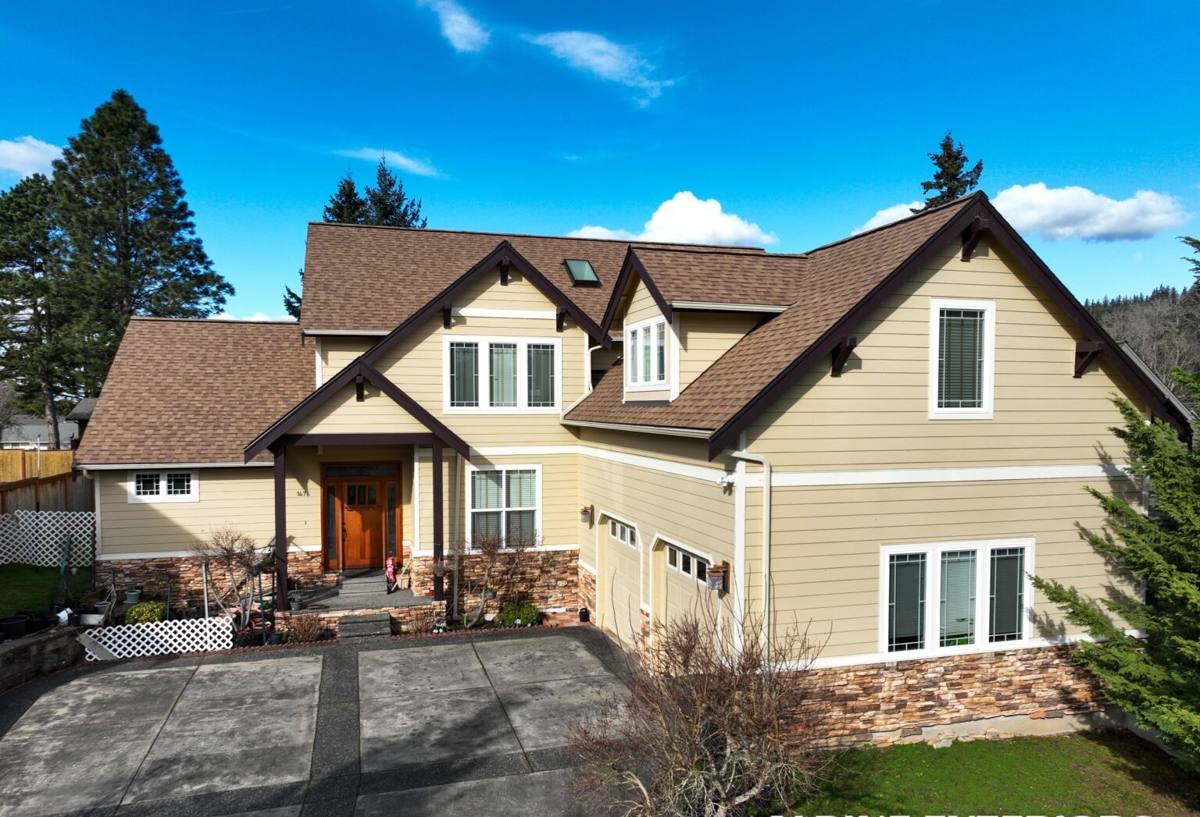
How You Know Your Current Windows Are Working Against You
Most homeowners don't think about their windows until something is obviously wrong. By the time you notice these signs, you've usually been paying for the problem for a while:
- Condensation or fog building up between the panes of a double-pane window — the seal has failed and the gas fill is gone
- A noticeable draft when you hold your hand near the frame on a windy day
- Sills or lower corners that feel soft, discolored, or show black staining
- Windows that are hard to open, close, or lock because the frame has swelled or warped
- Rooms that run noticeably colder or hotter than the rest of the house
- Visible daylight or gaps around the exterior trim where old caulking has cracked and pulled away
Any one of these on its own might be minor. Several at once, especially on a house that's had its original windows for 20-plus years, usually means it's time to stop patching and start replacing.
What a Correct Energy-Efficient Window Install Actually Involves
The window unit itself only does half the job. The other half is how it's installed, and this is where a lot of jobs go wrong — including some done by installers who are competent everywhere except a wet marine climate. In Skagit County, the install details matter as much as the product.
Flashing and Water Management
Every window opening needs to be flashed so that any water that gets behind the siding is directed back out, not down into the wall framing. That means proper sill pan flashing, house wrap integration, and head flashing above the unit — done in the right order, not just caulked over and called good.
Air Sealing Without Trapping Moisture
The gap between the window frame and the rough opening needs to be sealed for air infiltration, but not packed solid with the wrong material. Low-expansion foam or backer rod and sealant designed for window applications lets the assembly manage moisture instead of holding it against the wood.
Level, Plumb, and Square
A window that's out of square will bind, won't lock properly, and puts uneven stress on the seals — which shortens the life of the glass unit itself. This is basic carpentry, but it's the step that gets rushed on a job that's priced too low or crewed too thin.
Interior and Exterior Finish Work
Trim, caulking, and paint or stain on the exterior are the last line of defense against wind-driven rain. Left half-finished, they're an open invitation for water to find its way in during the next winter storm.
Choosing the Right Window for This Climate
There's no single "best" window for every house — it depends on your budget, your home's age and style, and how much upkeep you want to deal with. Here's how the common frame materials stack up for a wet, moss-prone valley climate:
| Frame Material | Moisture Behavior | Maintenance | Typical Fit |
|---|---|---|---|
| Vinyl | Won't rot; handles damp conditions well | Low — occasional cleaning | Most homes, best value |
| Fiberglass | Very stable, minimal expansion/contraction | Low | Higher-end remodels, larger openings |
| Wood-clad (exterior clad, wood interior) | Good if cladding is intact; interior wood needs protection from condensation | Moderate — interior finish upkeep | Historic or traditional-style homes |
| Bare wood | Vulnerable to rot in prolonged damp exposure without diligent upkeep | High — regular painting/sealing | Restoration projects where original look is required |
For most Mount Vernon-area homes, vinyl or fiberglass windows with a good low-E glass package strike the right balance of performance and low maintenance. We're honest with homeowners about the trade-offs of bare wood frames in this climate — it's not that the material is bad, it's that it demands more upkeep than most people realize when they're comparing options at a showroom.
Glass Packages Worth Asking About
Beyond the frame, the glass package does a lot of the energy-efficiency work:
- Double-pane with low-E coating — the practical minimum for this region
- Argon or krypton gas fill between panes — improves insulation value
- Warm-edge spacers — reduce condensation risk at the glass edge, which matters in our humidity
- Triple-pane — worth considering on north-facing walls or rooms that run consistently cold
Our Process, Start to Finish
- Walkthrough and assessment — we look at your current windows, note any moisture or rot issues around the openings, and talk through what you actually want (energy savings, noise reduction, easier operation, or just windows that don't look tired)
- Straightforward estimate — a written quote that spells out the window specs, install scope, and price, no pressure to decide on the spot
- Scheduling around the weather — we plan install days with an eye on the forecast; opening up a wall to wind-driven rain is how water problems start
- Removal and prep — old units come out carefully, and we inspect the rough opening for any hidden rot before the new window goes in
- Install with proper flashing and sealing — done in the sequence that actually sheds water, not shortcuts hidden behind trim
- Finish work and walkthrough — trim, caulking, and a final check that every window opens, closes, and locks the way it should
What It Typically Costs — and What Moves the Number
Every home is different, but these are the main factors that push a window project up or down in price:
| Factor | Why It Matters |
|---|---|
| Number of windows | Larger projects usually bring a better per-window rate |
| Frame material | Vinyl is typically the most budget-friendly; fiberglass and wood-clad cost more |
| Window size and configuration | Large picture windows or custom shapes cost more than standard double-hungs |
| Condition of the rough opening | Hidden rot or old flashing failures add repair time before the new window goes in |
| Full-frame vs. insert replacement | Full-frame replacement addresses flashing and structure; inserts are faster but only make sense when the existing frame is sound |
| Glass package upgrades | Triple-pane, upgraded gas fill, or specialty coatings add cost but also performance |
We'll walk you through which of these apply to your house during the estimate, and we won't upsell a full-frame replacement if an insert will genuinely do the job.
Why a Local Crew That Already Works Mount Vernon and Anacortes Matters
Window installation isn't a one-size-fits-all trade. A crew that works Skagit County regularly knows how the local weather patterns behave through the fall and winter, understands what building departments in this county expect for permits and inspections when required, and has already seen how different-era homes in this area were originally built and flashed. That's the kind of familiarity that catches problems before they become callbacks.
It also means we're not driving in from out of the area for a one-off job and disappearing. If something needs a follow-up look after the first hard rain of the season, we're local and reachable. That accountability is worth something that a lower bid from a crew passing through can't match.
A Simple Checklist Before You Hire Anyone
- Ask specifically how they flash and seal the rough opening — not just "do you caulk it"
- Get the warranty terms in writing, both for the window manufacturer and for the labor/install
- Confirm whether they're doing full-frame replacement or an insert, and why that's the right call for your house
- Ask how they handle a job if rain moves in mid-install
- Check that the estimate is itemized, not just a single lump number with no breakdown
Ready to Talk About Your Windows?
If your windows are fogging, drafting, or just making winter more expensive than it needs to be, we're happy to take a look. Reach out for a free, no-pressure estimate — we'll walk your home, answer your questions honestly, and give you a clear picture of what a proper energy-efficient window install would involve for your specific house.