 Anacortes Siding
 Storm Damage Roof Repair for Oak Harbor Homes
When a winter system rolls through the north Puget Sound and drops wind-driven rain on Oak Harbor for two or three days straight, roofs take the brunt of it. Some damage announces itself right away — a missing shingle, a torn ridge cap, water coming through a ceiling. Other damage stays hidden for months, quietly soaking sheathing under a shingle that looks fine from the ground. We repair storm-damaged roofs for homes in and around Oak Harbor, and this page covers what that work actually involves, what to look for after a storm, and how we approach the repair so it holds up through the next one.
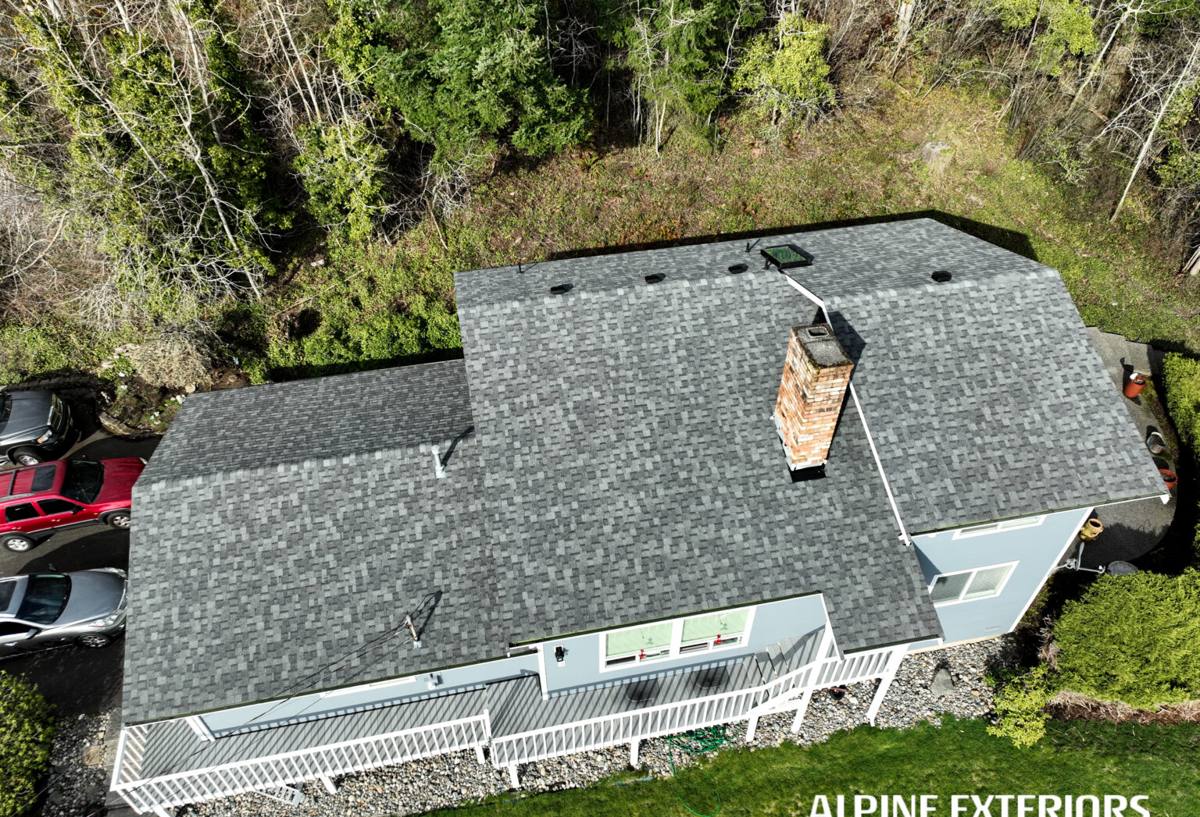
What Storms Do to Roofs Near Oak Harbor
Oak Harbor sits close to open water, which means roofs here deal with a combination of stresses that inland homes don't see nearly as often. None of it is exotic — it's the same wind, rain, salt air, and moss that affects roofs across Island and Skagit County — but the combination is harder on a roof than any one factor alone.
Wind and Driving Rain
Storm winds off the water don't just push rain sideways — they push it uphill, under shingle edges and into any gap in the flashing. A roof that sheds water fine in a light rain can leak in a wind-driven storm because the water is being forced against and under the roofing material instead of running off it. Wind also loosens shingles gradually, cycle after cycle, before one finally tears loose.
Salt Air and Corrosion
Homes near the water deal with salt-laden air that speeds up corrosion on exposed metal — nail heads, flashing, gutter fasteners, and any exposed screws. A fastener that would last decades inland can start rusting and losing its grip years earlier out here. Corroded fasteners are one of the most common hidden causes of a "mystery" leak after a storm — the shingle looks intact, but the nail holding it down has failed.
Moss and Trapped Moisture
Western Washington's long, wet moss season adds a second problem on top of storm wear. Moss holds moisture against the roof surface for weeks at a time, and on north-facing slopes and shaded sections it can work its way under shingle tabs and lift them slightly — just enough for wind-driven rain to get a foothold during the next storm. A roof going into storm season with heavy moss buildup is more vulnerable than a clean one, even if the shingles themselves are in decent shape.
Signs Your Roof Has Storm Damage
Not all storm damage is obvious from the driveway. After any significant wind or rain event, it's worth doing a quick check for these:
- Shingles that are cracked, curled, creased, or missing altogether
- Granules collecting in gutters or at downspout outlets
- Bent, lifted, or separated flashing around chimneys, vents, and skylights
- Ceiling stains, especially new ones that appear a day or two after a storm
- Sagging or soft spots when walking the attic (a sign water has reached the sheathing)
- Debris — branches, needles, gravel from shingles — collected in valleys
- Gutters pulling away from the fascia or overflowing during rain
- Visible daylight through the roof deck from inside the attic
If you see any of these, it's worth having someone look before the next storm, not after. Small storm damage left alone tends to become a bigger repair once a second or third storm works on the same weak spot.
What a Correct Storm Repair Actually Involves
Assessment Before Any Work Starts
A proper repair starts with figuring out the actual extent of the damage, not just patching the spot that's leaking. That means checking the roof surface, the flashing, the attic side of the deck, and the areas around the visible damage — wind and water rarely limit themselves to one shingle. We look at what's underneath the surface, too, since a leak that's been running for a while can affect sheathing and framing beyond what's visible from the roof.
Temporary Protection When It's Needed
If a roof has active exposure — a torn-open section, missing shingles over a slope that's still taking rain — the first job is stopping water from getting in any further, usually with a tarp or temporary membrane secured properly so it doesn't itself become a wind hazard. This buys time to do the actual repair correctly instead of rushing it.
Matching Materials and Proper Flashing
A storm repair should match the existing roofing as closely as possible in profile and color, and the flashing details matter as much as the shingles. Flashing that's reused when it shouldn't be, or reinstalled without proper overlap and sealant, is a common reason storm repairs fail again in the next season. We replace flashing that's been compromised rather than trying to stretch a corroded or bent piece back into shape.
Checking What's Underneath
Any section that's been exposed gets checked for wet or damaged sheathing before new roofing goes back down. Covering wet sheathing with new shingles just traps the moisture and sets up rot underneath — it looks fixed but isn't. If sheathing needs to be replaced, that gets addressed as part of the repair, not left for someone to discover later.
Our Process, From Call to Finished Repair
- You call or send photos of the visible damage, and we get a general sense of scope before we come out
- We inspect the roof and the attic side of the affected area, and walk you through what we find
- We give you a clear, written scope of repair — what's damaged, what needs replacing, and why
- If the roof needs temporary protection before the repair can be scheduled, we handle that first
- We complete the repair using matching materials and correct flashing detail, not shortcuts
- We do a final check of the repaired area and clean up the site, including magnetic sweep for stray fasteners
Repair Scope and Cost Factors
Not every storm-damaged roof needs the same level of work. The right scope depends on how much of the roof is affected, how long water may have been getting in, and the condition of the roofing around the damaged area. Here's a general breakdown of how these repairs typically scale:
| Repair Type | What It Typically Involves | General Cost Range |
|---|---|---|
| Spot repair | A handful of shingles, a section of flashing, or a small area of exposed deck | Under $1,000 |
| Section repair | A full slope or a larger area with wind uplift, torn material, or hidden sheathing damage | $1,000–$4,000 |
| Multi-area or structural repair | Damage in several areas, or repair involving rot/rafter damage found once the roof is opened up | $4,000 and up |
These ranges are for orientation only — the only way to know what your specific roof needs is an on-site look. We'll always tell you plainly if a repair is the right call versus when a section (or the whole roof) is close enough to the end of its life that a repair is just delaying a bigger cost.
Storm Damage and Insurance
Many storm repairs are eligible for coverage under a homeowner's policy, particularly when the damage traces to a specific wind or rain event rather than ordinary wear. We're not a substitute for your insurance company or adjuster, but we can document what we find with photos and a written scope that's useful if you're filing a claim. Being straightforward about what's storm-related versus what's pre-existing wear matters — an honest scope holds up better with an adjuster than an inflated one, and it's the only way we work.
Why a Crew That Already Works Oak Harbor Matters
After a storm hits the region, every roofing crew in western Washington gets busy at once, and out-of-town outfits chasing storm work don't always stick around for a callback. We're based in Anacortes and already work in Oak Harbor and the surrounding communities, which means we know the roofing styles common to the area, we're not adding hours of drive time to every visit, and we're still local when you need us again — whether that's a warranty question next year or simply another set of eyes before the next storm season. Local crews also tend to have a better read on how a specific slope, tree cover, or exposure to wind off the water affects a given roof, since we're seeing the same conditions across many homes in the area, not guessing at them from a bid sheet.
If your roof took a hit in the last storm — or you just want a second opinion before the next one arrives — we're happy to come out, take an honest look, and walk you through what we find. There's no pressure and no obligation. Use the form below to request a free estimate.