 Anacortes Siding
 Window Installation Built for Edison's Climate
Edison sits low in the Skagit Valley, close enough to Samish Bay and Padilla Bay that the air carries salt even on a calm day. Add the region's driving rain and the long stretch of gray, damp months that let moss and algae get a foothold on anything that stays wet too long, and you've got a climate that is genuinely hard on windows. Frames swell and stick. Hardware corrodes. Old glazing fogs up between the panes. None of that is a defect in the house — it's just what happens to windows that weren't installed, sealed, or flashed with this specific climate in mind.
We install windows across the Anacortes and Skagit County area, and Edison homes get a specific kind of attention because of where they sit. This page covers what that means in practice: what local homes need, what a correct installation actually involves, and how our process works from first look to final seal.
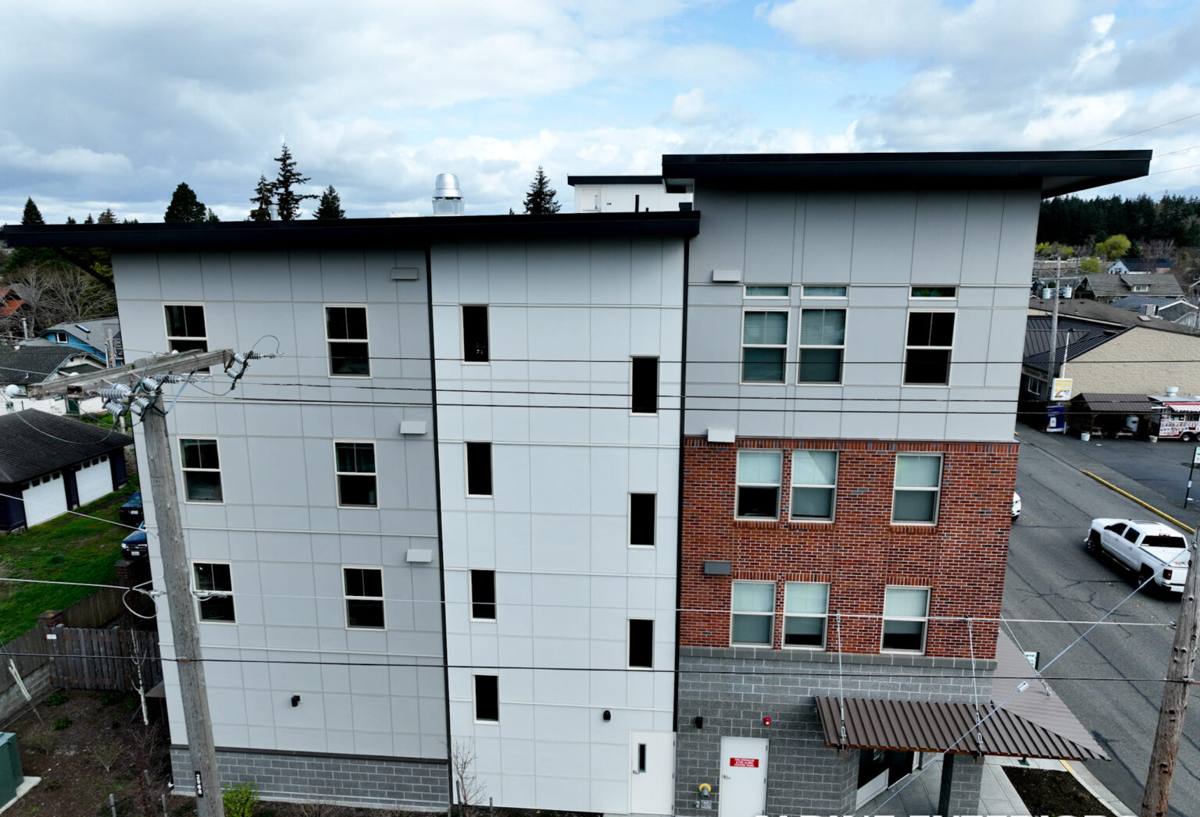
What Edison Homes Are Up Against
A lot of the housing stock around Edison is older — farmhouses, converted outbuildings, small in-town homes with decades of additions and repairs behind them. That's not a problem by itself, but it does mean the window openings themselves are often a little out of square, the original trim may have been reworked more than once, and the wall assembly behind the siding wasn't necessarily built with modern moisture control in mind. Layer on the local weather and a few patterns show up again and again:
- Salt-laden air from the nearby bay accelerates corrosion on cheap or exposed window hardware — hinges, cranks, and screws that weren't rated for it.
- Driving rain off Puget Sound doesn't just fall straight down; it gets pushed sideways into window edges, which punishes any flashing or sealant job that was done as an afterthought.
- Moss and algae take hold wherever water sits or drains slowly — window sills, bottom frames, and anywhere caulking has started to separate.
- Persistent humidity works its way into failed seals on older double-pane glass, which is why so many homes in the area have at least one window with visible fogging between the panes.
None of this means Edison is a uniquely difficult place to own a house. It just means the details matter more here than they would in a drier climate, and a window that's "good enough" somewhere else can fail early in this one.
Signs Your Windows Are Behind the Curve
Most homeowners don't think about their windows until something goes wrong. Here's what tends to show up first in this climate:
- Fogging or a milky haze between the panes — the seal has failed and the insulating gas or air gap is gone
- Windows that stick, won't stay open, or need real effort to latch
- Visible gaps around the frame where you can feel a draft on a windy day
- Soft or discolored wood trim around the window, especially at the bottom sill
- Moss, algae, or black streaking building up on the sill or lower frame
- Condensation forming on the inside of the glass regularly, even with normal ventilation
- A noticeable difference in room temperature near the window compared to the rest of the house
Any one of these on its own might just mean a single window needs attention. Several of them across a house, especially on the side that takes the weather, usually points to a bigger conversation about the whole window line.
What a Correct Installation Actually Involves
Window installation looks simple from the outside — pull the old one, set the new one, trim it out. The work that actually determines whether it holds up for twenty years happens in the parts you don't see once the trim goes back on.
Flashing and water management
In a climate that gets driving rain, the flashing detail around a window matters more than the window itself. Water needs a path down and out, never in and behind. That means proper sill pan flashing, correctly lapped house wrap or building paper, and flashing tape sequenced so every layer sheds water onto the layer below it — not the reverse. Skipping or rushing this step is the single most common reason windows fail early around here, and it's invisible once the siding is back on.
Air sealing and insulation
The gap between the window frame and the rough opening needs to be filled with the right material — typically a low-expansion foam or backer rod and sealant, not whatever was on hand. Too little and you get drafts and moisture intrusion; too much expanding foam and you can bow the frame and cause the window to operate poorly for its entire life.
Level, plumb, and square
On older Edison homes where the original opening has shifted over the decades, getting the new window level, plumb, and square sometimes takes shimming work that a faster crew will skip. A window that's slightly racked in the opening will bind, won't seal evenly, and puts uneven stress on the corners of the frame.
Exterior trim and sealant
The visible caulk line is the last line of defense, not the first. It should be a proper exterior-grade sealant applied to clean, dry surfaces — and it should never be the only thing standing between your wall cavity and the weather. If a contractor's plan for keeping water out starts and ends with caulk, that's worth asking more questions about.
Choosing the Right Window for an Edison Home
There's no single "best" window material — the right choice depends on the house, the budget, and how much upkeep you want to take on. Here's how the common options stack up for this climate specifically:
| Material | How it handles this climate | Upkeep |
|---|---|---|
| Vinyl | Won't rot or corrode from salt air; handles moisture well; can expand/contract with temperature swings | Low — occasional cleaning |
| Fiberglass | Very stable dimensionally, holds paint well, strong resistance to moisture and salt exposure | Low — very durable finish |
| Wood (unclad) | Classic look for older or farmhouse-style homes, but needs real protection from the driving rain and damp seasons here | High — regular painting/sealing |
| Wood-clad (wood interior, metal/vinyl exterior) | Good compromise — traditional interior look, weather-resistant exterior shell | Moderate |
| Aluminum | Strong and slim sightlines, but conducts cold and is more prone to condensation in this climate unless thermally broken | Low, but condensation risk |
For most Edison homes we work on, vinyl or fiberglass ends up being the practical choice because it shrugs off the salt air and rain cycle with the least maintenance. That said, homes with a farmhouse or historic character sometimes call for a wood or wood-clad window to keep the exterior looking right, and we'll walk through that trade-off honestly rather than push whatever's easiest to install.
Glass and hardware notes
Double-pane glass with a low-E coating and argon gas fill is the standard for this region and performs well against both heat loss and condensation. Triple-pane is available and does add performance, but for most single-family homes here the added cost doesn't pencil out against a well-installed double-pane unit — we'll tell you if your specific situation is an exception. On hardware, look for corrosion-resistant materials on anything exposed to the exterior; this is one area where the salt air genuinely does shorten the life of budget components.
Our Process
- On-site assessment — we look at the actual openings, the condition of the surrounding trim and wall, and any moisture or rot already present, not just the glass.
- Honest scope and options — you get a straight explanation of what's needed, what's optional, and what materials fit your house and budget.
- Careful removal — old windows come out without unnecessary damage to the surrounding wall, and we check what we find behind the old unit before moving forward.
- Correct flashing and installation — sill pan, house wrap integration, air sealing, and precise leveling, in that order, before the new window is trimmed out.
- Weather-sealed finish — exterior trim and sealant applied to a clean, properly prepped surface, built to shed water the way this climate demands.
- Walkthrough — we show you the finished operation of each window and answer questions before we consider the job done.
Cost Factors to Expect
Every home is different, but the cost of a window installation project generally comes down to a handful of variables. Rough ranges below are meant to help you plan the conversation, not replace an actual on-site quote:
| Factor | Why it moves the price |
|---|---|
| Number of windows | Per-unit cost typically drops somewhat as the total count on a single job goes up |
| Window material and glass package | Vinyl is generally the most budget-friendly; fiberglass and wood-clad cost more; triple-pane adds further cost |
| Condition behind the old window | Rot, water damage, or an out-of-square opening found during removal adds repair time before the new window can go in |
| Full-frame vs. insert replacement | Insert replacement (new window into the old frame) is usually less expensive; full-frame replacement costs more but is often the right call on older openings |
| Access and site conditions | Second-story windows, tight setbacks, or older siding that needs careful handling can add labor time |
We'll break all of this down in plain terms during the estimate — including flagging anything we find once a window comes out that changes the scope, before we do the work, not after.
Why a Crew That Already Works Edison Matters
Window installation isn't a one-size-fits-all trade. A crew that's used to newer, tightly-built construction in a drier region will approach an older Edison home differently than a crew that already knows what this specific stretch of Skagit County does to a house over time — the way salt air chews through cheap hardware, the angle driving rain tends to come from, how long moss takes to establish on a sill that doesn't drain well. That local pattern recognition shows up in small decisions during the job: which flashing sequence to use, how much to budget for hidden rot behind an old frame, which materials are worth the extra cost here and which aren't.
It also matters for accountability. A local crew is easy to reach if a question comes up after the job, and has a reputation in the community worth protecting — not just a job number to close out.
After the Install: Keeping Windows Performing
A correctly installed window in this climate still benefits from a little seasonal attention:
- Rinse sills and tracks periodically to keep moss and algae from getting established
- Check exterior caulk lines once a year for cracking or separation, especially after a hard winter
- Keep gutters and downspouts clear so runoff isn't sheeting directly down the wall above a window
- Operate hardware (locks, cranks, latches) a few times through the year so moving parts don't seize
- Wipe down interior sills if condensation builds up during cold snaps, and improve room ventilation if it's a recurring problem
None of this is heavy maintenance — it's the kind of upkeep that, combined with a correct installation, is what actually gets a window to its full expected lifespan in a coastal-influenced climate like this one.
Get a Straight Answer About Your Windows
If you're dealing with drafty, foggy, or sticking windows on an Edison-area home, or you're planning ahead before the next wet season sets in, we're happy to take a look and give you an honest read on what your house actually needs. The estimate is free, there's no pressure, and you'll get a clear explanation of your options — just fill out the form below to get started.