 Anacortes Siding
 Why Bow Homes Put Windows to the Test
Bow sits in that stretch of Skagit County where open farmland meets Samish Bay, and that mix creates a tougher environment for windows than most homeowners realize. Salt-laden air drifts in off the water and settles into hardware, weep holes, and frame seams. Wind off the bay and across open fields drives rain sideways during winter storms, hitting window assemblies at angles they were never designed to shed. And because the area stays damp and shaded for long stretches of the year, moss and algae get a foothold on anything that holds moisture — including window sills, trim, and the low corners of frames.
None of this is unique to any one house. It's a function of geography. A window that performs fine in a drier inland town can fail early here simply because it wasn't built or installed with this climate in mind. Custom windows let us match the frame material, glazing, and installation detail to what a Bow property actually experiences, rather than installing whatever fits the rough opening.
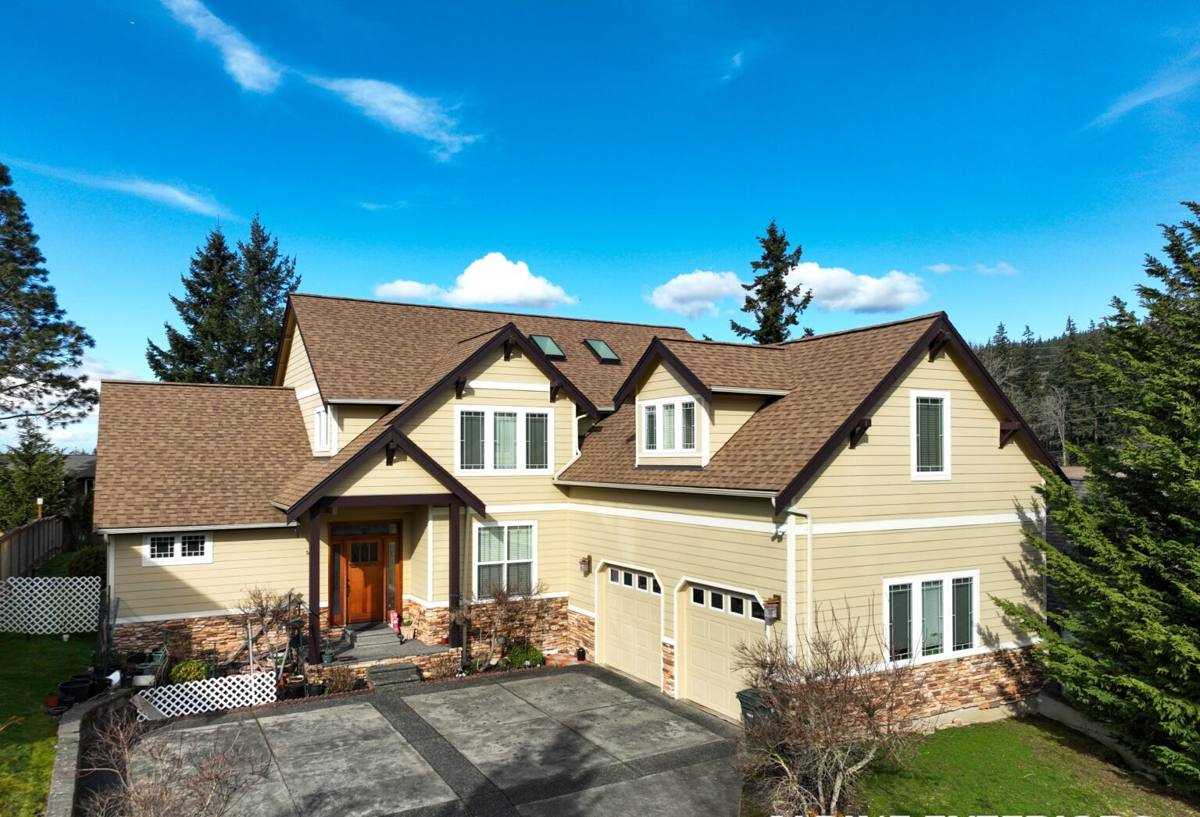
The Problems We Actually See on Bow Properties
When we're called out to look at failing windows in this part of Anacortes and Skagit County, a handful of issues show up again and again:
- Corroded or seized hardware on older aluminum-frame windows, from years of salt exposure
- Fogged or "blown" insulated glass units where the seal has failed and moisture has gotten between the panes
- Soft or rotting wood trim and sills where moss and standing water have sat against the material for seasons at a time
- Condensation forming on interior glass and sills during cold snaps, a sign of poor thermal performance or a leaky seal
- Gaps around older custom-sized openings where the original window was never properly flashed or sealed
Most of these problems trace back to two things: a frame material that wasn't suited to a coastal, wet environment, or an installation that didn't account for how water moves around a window opening during a real Pacific Northwest storm.
What "Custom" Actually Means Here
Custom windows aren't just about non-standard sizes, though that matters plenty on older Bow-area homes with openings that don't match modern standard dimensions. Custom also means the installation detail is built around the specific wall, siding type, and exposure of that particular house.
Flashing and Water Management
This is where most window failures actually start, and it has nothing to do with the window itself. Proper flashing directs water that gets behind the siding back out and away from the wall assembly, rather than letting it pool at the sill or wick into the framing. On a property exposed to driving rain off the bay, this detail is not optional — it's the difference between a window lasting decades and one that causes hidden rot within a few years.
Frame Material Matched to Exposure
A window on a sheltered wall facing away from prevailing weather doesn't need the same spec as one on an exposed gable end catching wind and rain head-on. We size up frame material, weatherstripping, and glazing package based on where the window actually sits on the house.
Fit for Older Construction
Many homes in and around Bow were built well before modern window sizing standards existed. A correct custom install means the new window is built to the actual opening — or the opening is properly resized — rather than forcing a stock size in with excess shimming and caulk that will fail long before the window does.
Choosing a Frame Material for This Environment
There's no single "best" window material for every situation, but some hold up better than others against salt air, constant moisture, and moss growth. Here's how the common options compare for a Bow-area installation:
| Material | Salt Air Resistance | Moisture Handling | Maintenance Needs |
|---|---|---|---|
| Vinyl | Very good — won't corrode | Good, with proper drainage design | Low; occasional cleaning |
| Fiberglass | Excellent — dimensionally stable, won't pit or corrode | Excellent | Low |
| Wood / Wood-clad | Poor unsealed; good with quality cladding | Requires diligent upkeep on exposed sides | Higher — finish and sealant checks |
| Aluminum | Poor near salt air unless marine-grade and finished | Prone to condensation without thermal breaks | Moderate to high in this climate |
We don't install every option on every job. On properties with direct bay exposure, we steer customers away from bare aluminum and unclad wood on exterior-facing elevations — not because those materials are inherently bad products, but because they demand a level of upkeep that most homeowners don't want to sign up for once they understand what salt air and constant moisture do to them over time. Fiberglass and quality vinyl systems generally give Bow homeowners the best balance of durability and reasonable maintenance.
Our Installation Process
The process is straightforward, but the details matter more here than in a drier climate:
- On-site assessment — we look at each opening individually, checking for existing rot, flashing condition, and exposure to wind and rain
- Measurement and custom sizing — openings are measured as-built, not assumed to match a stock size
- Removal and inspection — old windows come out carefully so we can inspect the sheathing and framing underneath for hidden moisture damage before anything new goes in
- Flashing and water management — proper sill pan flashing and integration with the existing weather-resistive barrier, sealed to shed water outward
- Installation and air/water sealing — window set plumb and square, insulated, and sealed with materials rated for exterior exposure
- Trim and finish work — interior and exterior trim completed to match the home, with attention to any surface that could trap moisture or moss
If we find rot or moisture damage behind an old window during removal, we'll show you what we found and talk through the repair before closing the wall back up. That's not an upsell — it's the only way to make sure the new window isn't installed onto a compromised structure.
Cost Factors for a Bow-Area Window Project
Every custom window project is priced around the specifics of the job, but the main factors that move the number are consistent:
- Number of windows and whether it's a single replacement or a whole-house project
- Frame material selected (vinyl, fiberglass, wood-clad, etc.)
- Whether the opening needs to be resized or reframed for a non-standard fit
- Condition of the framing and sheathing discovered once the old window is removed
- Glazing package — standard dual-pane versus higher-performance glass for exposed elevations
- Trim and exterior finish work needed to match the existing house
Because so much depends on what's behind the existing window and the exposure of each opening, we don't quote firm numbers without seeing the property. What we can tell you upfront is that homes with heavier bay-side exposure often benefit from spending a bit more on frame material and flashing detail, since that's what determines whether the investment lasts fifteen years or thirty.
Living With Windows in This Climate
Even a well-installed window needs some basic upkeep in a place like Bow. A little seasonal attention goes a long way toward protecting the investment:
- Rinse salt film off exterior glass and frames periodically, especially after winter storms
- Clear moss and debris from sills, tracks, and weep holes before it holds moisture against the frame
- Check exterior caulking and sealant annually and touch up before gaps open up
- Operate hardware a few times a year so mechanisms don't seize from salt exposure
- Watch for condensation patterns on interior glass — a sudden change can signal a seal or ventilation issue worth a look
None of this is difficult, but it does matter more here than it would somewhere inland and dry. Windows that get this basic care, paired with a correct original installation, are the ones that make it to their full service life without surprise repairs.
Why Local Installation Experience Matters
A crew that mostly works in drier, inland climates will size and install windows the way they always have, because it's worked for them elsewhere. That approach doesn't hold up on a property exposed to Samish Bay wind and winter rain. Working regularly in Bow and the surrounding Anacortes area means we already know which elevations take the worst weather, which older homes tend to have undersized or non-standard openings, and which materials actually hold up instead of just looking good on a spec sheet.
That local pattern recognition shows up in small decisions throughout a project — where to add extra flashing, which material to steer a customer away from on an exposed wall, how much attention a sill needs before trim goes back on. Those are the details that separate a window installation that lasts a few years from one that lasts decades.
If you're dealing with drafty, fogged, or failing windows on a Bow-area property, we're happy to take a look and put together a straightforward, no-pressure estimate. Use the form below to get started.