 Anacortes Siding
 Why Burlington Roofs Wear Differently Than You'd Expect
Burlington sits in the Skagit River valley, close enough to the Salish Sea that homes here still catch the marine weather moving in off the water, but far enough inland that the wear pattern on a roof looks a little different than it does right on the coast. You get long stretches of low-intensity rain punctuated by wind-driven storms, humidity that never really lets a roof dry out between systems, and shaded, tree-lined lots that hold moisture on the north- and west-facing slopes long after the rest of the roof is dry. Add the salt-tinged air that drifts up the valley on a west wind, and you have a climate that's tough on roofing in ways that aren't always obvious from the ground.
None of that means Burlington roofs fail faster than average. It means they fail differently — moss and algae staining before shingles show granule loss, fastener corrosion before flashing rusts through, and slow leaks at valleys and penetrations rather than dramatic blow-offs. A roof replacement done for this specific climate looks at those failure points on purpose, instead of just swapping old shingles for new ones and hoping for the best.
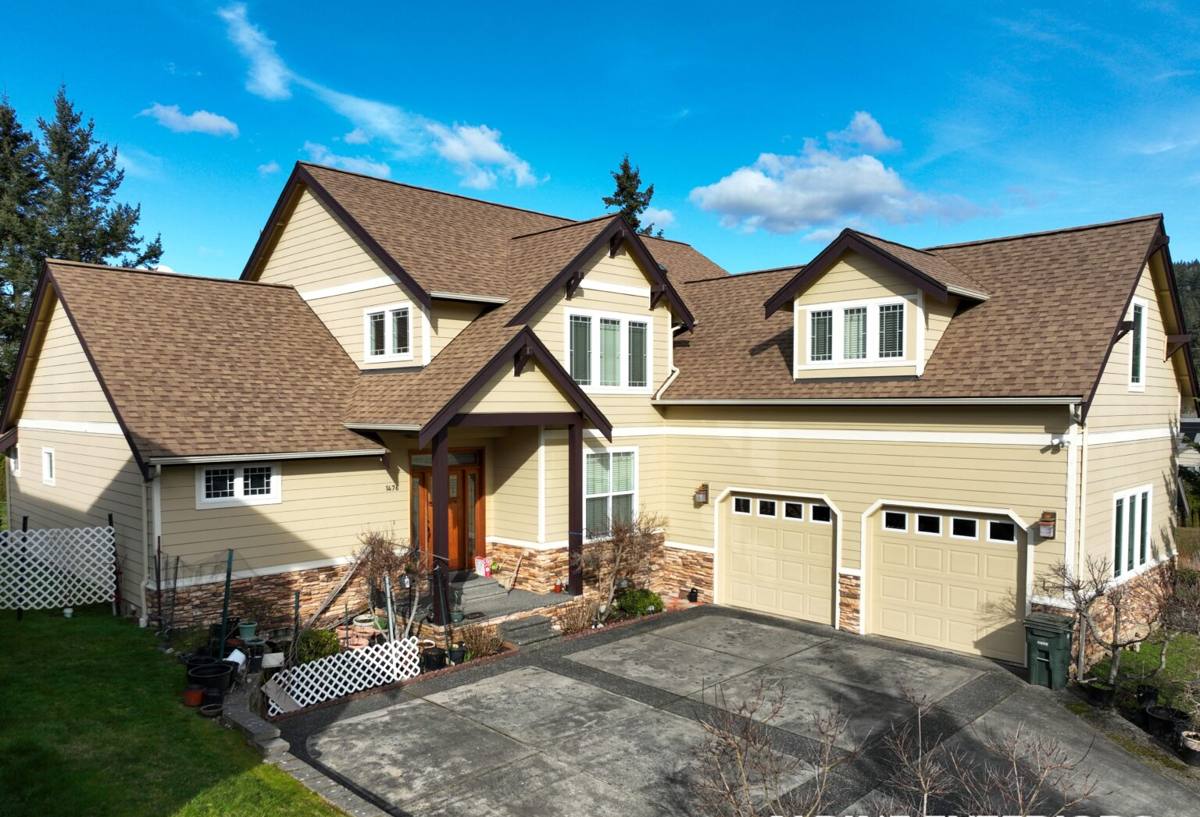
Signs a Burlington Roof Replacement Shouldn't Wait
Most roofs don't fail all at once. They give warning signs for months, sometimes years, before a leak actually shows up inside the house. Homeowners in this area should take these seriously:
- Granules collecting in gutters or at the base of downspouts — a sign the shingle surface is breaking down
- Dark streaking or thick moss growth, especially on the shaded side of the roof
- Curling, cupping, or cracked shingles, particularly on south- and west-facing slopes exposed to more sun and wind
- Soft spots or sagging when walked on, which usually means deck damage underneath
- Daylight visible through the attic roof boards, or damp, discolored insulation
- Flashing that's lifted, rusted, or separated from chimneys, skylights, and sidewalls
- A roof that's simply reached the end of its rated service life, even if it looks okay from the driveway
Any one of these on its own might just mean a repair. Several at once, or a roof past 18–20 years old with any of these symptoms, is usually the point where a full replacement costs less over time than chasing repairs.
What a Correct Roof Replacement Actually Involves
A roof replacement is more than stripping old shingles and nailing down new ones. The parts you don't see are what determine whether the roof performs for its full rated life in a climate like Skagit County's.
Tear-Off and Deck Inspection
We remove the existing roofing down to the deck rather than layering over it. That's the only way to actually see the condition of the sheathing underneath — soft, delaminated, or water-stained boards get replaced before anything new goes down. Roofing over a compromised deck just hides a problem that will resurface as a leak later.
Underlayment and Ice-and-Water Protection
Given how much sustained rain this area sees, the underlayment matters as much as the shingle on top of it. Synthetic underlayment across the full roof, with self-adhering ice-and-water membrane at eaves, valleys, and around penetrations, gives the roof a real second line of defense if wind-driven rain ever gets under the primary surface.
Ventilation
A roof that can't breathe traps moisture in the attic, which speeds up sheathing rot and shortens shingle life from underneath — often before any damage shows on the surface. We check intake at the eaves and exhaust at the ridge and correct the balance where the existing setup is inadequate, which is common on older Burlington homes that were built or re-roofed before current ventilation standards.
Flashing Details
Chimneys, skylights, sidewalls, and valleys are where the overwhelming majority of roof leaks actually start — not in the open field of shingles. We replace flashing rather than reusing old pieces, and we pay particular attention to step flashing at sidewalls and valley construction, since those details are where moisture finds its way in during the kind of extended rain events this area gets.
Choosing Roofing Materials for Skagit County Weather
There's no single "best" roofing material — the right choice depends on your budget, your roof's exposure, and how much long-term maintenance you're willing to take on. Here's how the common options actually perform in this climate:
| Material | Typical Lifespan Here | Moss/Algae Resistance | Maintenance Burden |
|---|---|---|---|
| Standard asphalt (3-tab) | 15–20 years | Low — algae staining common within a few years | Moderate; benefits from regular moss treatment |
| Architectural (laminate) asphalt | 25–30 years | Better with algae-resistant granules | Moderate; still needs periodic cleaning |
| Metal (standing seam or panel) | 40–50+ years | High — moss struggles to root on a smooth metal surface | Low; occasional debris clearing |
| Composite/synthetic shingle | 30–40 years | Moderate to high, depending on product | Low to moderate |
We generally steer homeowners away from basic 3-tab shingles for roofs with significant shade or north-facing exposure, not because the product is bad, but because the maintenance burden — repeated moss and algae treatment — often outweighs the upfront savings over the life of the roof. Algae-resistant architectural shingles or metal tend to be a better long-term match for the shadier, damper lots common around Burlington.
Our Roof Replacement Process, Start to Finish
- On-site assessment. We inspect the existing roof, deck, ventilation, and flashing details in person and walk you through what we find — no guessing from a photo.
- Written estimate. You get a clear scope of work and price before anything is scheduled, including what's included in tear-off, deck repair allowances, and material options.
- Scheduling around weather. Roofing in a wet climate means watching forecasts closely. We plan tear-off and dry-in around dry windows so your home isn't exposed longer than necessary.
- Tear-off and deck repair. Old roofing comes off, the deck is inspected and repaired as needed, and the roof is dried in with underlayment the same day whenever possible.
- Installation. New flashing, ventilation corrections, and the roofing material go on to manufacturer specifications.
- Final walkthrough. We review the completed work with you, clean the site thoroughly, and go over basic care so you know what to expect going forward.
Moss, Algae, and Long-Term Roof Care
Even a new roof in this climate needs a little attention to stay ahead of moss and algae growth, especially under tree cover. A short list of habits that meaningfully extend a roof's service life:
- Keep gutters and valleys clear of needles and leaf debris, which hold moisture against the roof surface
- Trim back overhanging branches to reduce shade and debris accumulation
- Have moss treated or gently removed before it establishes a heavy mat — a light growth is far easier to manage than years of buildup
- Avoid pressure washing shingles, which strips granules and shortens shingle life
- Schedule a roof check after major windstorms to catch lifted or damaged flashing early
- Have the roof inspected every couple of years, even if nothing looks obviously wrong
Permits, Timeline, and What to Expect During the Job
Most residential roof replacements in Burlington require a building permit, which we handle as part of the job so you're not navigating that process yourself. Timeline depends on roof size and complexity, but a typical single-family home replacement runs a few days from tear-off to final cleanup, weather permitting. We keep the work area contained, use tarps and magnetic sweeps to protect landscaping and driveways from debris and stray fasteners, and haul away all old roofing material — you shouldn't be left dealing with a dumpster or a mess after we leave.
Why Hire a Crew That Already Works in Burlington
Roofing crews who only pass through occasionally don't always know which details matter most for this specific area — how much attic ventilation a shaded Skagit County lot actually needs, which valley configurations tend to trap moss, or how far up the valley the marine air's effects really reach. A crew that regularly works Burlington and the surrounding Anacortes area has already seen how different roof types hold up here over years, not just on installation day. That familiarity shows up in the details: flashing choices, ventilation corrections, and material recommendations that are matched to how this climate actually behaves, not a generic specification sheet.
If your roof is showing its age or you're just planning ahead, we're happy to take a look and give you a straightforward, no-pressure estimate — use the form below to get started.