 Anacortes Siding
 Windows Built for the Cap Sante Waterfront
Cap Sante sits close enough to the water that its homes take weather most inland Skagit County houses never see. Salt-laden air off the marina and Guemes Channel, wind-driven rain that comes in sideways off the Sound, and a moss season that runs long and wet every year — all of it works against a window that wasn't installed correctly. We install windows for homes in and around Cap Sante, and we treat this stretch of Anacortes as its own case, not a copy-paste job from a drier neighborhood.
A window is only as good as the opening it sits in. The glass and frame get all the attention in a showroom, but the flashing, the sill pan, the sealant joints, and the way water is directed back out of the wall are what actually keep a Cap Sante home dry through a Pacific Northwest winter. Get those details wrong and you don't find out for a year or two — by then the rot is already inside the wall.
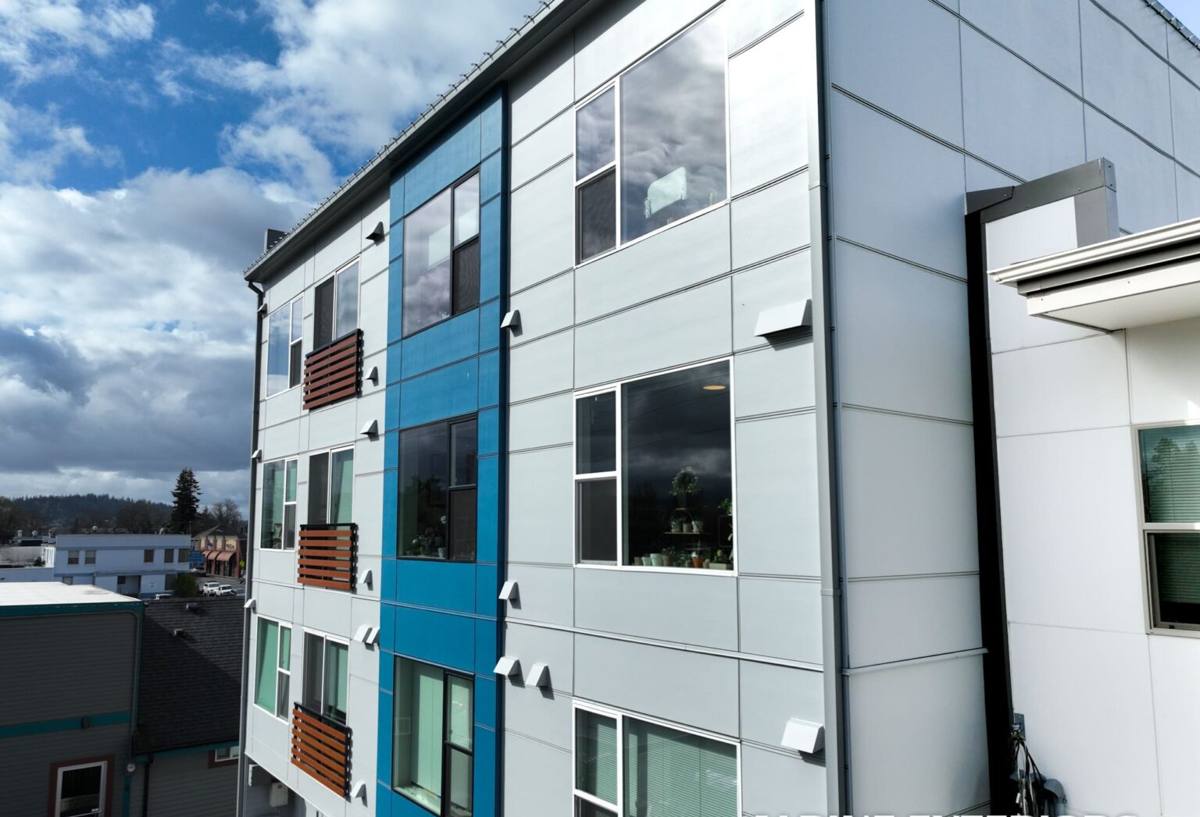
What the Cap Sante Climate Does to Windows
Salt Air and Metal Fatigue
Proximity to saltwater speeds up corrosion on window hardware, screws, and unprotected metal flashing. Cheaper hinges, latches, and fasteners can start showing pitting and stiffness years before they would inland. We favor corrosion-resistant hardware and flashing on homes this close to the water, because replacing a $40 latch is a lot cheaper than replacing a window.
Wind-Driven Rain
Storms coming off the water don't just fall — they push. Wind-driven rain finds any gap in a window's air and water seal and drives moisture into places that would stay dry in a calm rain. This is a flashing and sealant problem more than a glass problem, and it's the number one reason we won't cut corners on the install even when a homeowner is only trying to save an afternoon.
Moss, Shade, and Slow Drying
Anacortes' tree cover and marine humidity mean a long moss season, and moss holds moisture against siding and trim long after a storm has passed. Window openings near shaded walls, under overhangs, or close to mature landscaping stay damp longer, which raises the stakes on getting the water management right the first time.
Signs a Cap Sante Home Needs New Windows
- Soft or discolored trim or siding around the window frame
- Visible fogging or a permanent haze between panes of double-pane glass (a sign the seal has failed)
- Drafts you can feel near the frame on a windy day, even with the window latched
- Difficulty opening, closing, or locking the window smoothly
- Condensation forming on the inside of the glass regularly, beyond normal winter humidity
- Visible gaps, cracked caulking, or daylight showing around the frame from inside
- Moss or dark staining building up on the sill or the wall just below the window
Any one of these on its own isn't an emergency. Several together, especially on a wall that faces the prevailing weather, usually means the window and its flashing are due for a real look.
What Correct Window Installation Actually Involves
A proper install is a sequence, and skipping a step is how you end up with hidden rot instead of a visible problem. For a Cap Sante home, our process generally includes:
- Removing the old window and inspecting the framing, sheathing, and sill for existing moisture damage or soft wood
- Repairing or replacing any compromised framing before anything new goes in — a new window over a bad opening just hides the problem
- Installing a sloped sill pan so any water that gets past the window drains back outside instead of pooling
- Applying flashing tape and building paper in the correct shingle-lap order, so water is always directed down and out
- Setting the window plumb, level, and square, then securing it per the manufacturer's fastening schedule
- Sealing the exterior with the correct sealant for the siding material, leaving the proper weep points open
- Insulating and air-sealing the interior gap around the frame without over-packing it, which can bow the frame
- Reinstalling or replacing interior and exterior trim, and doing a final operation and weather-seal check
Choosing Windows for a Marine Environment
Frame material matters more here than in a lot of inland Skagit County neighborhoods, because of the combination of salt air, moisture, and UV exposure off the water.
| Frame Material | How It Handles Cap Sante Conditions | Maintenance Reality |
|---|---|---|
| Vinyl | Resists corrosion and moisture well; good baseline performer near the water | Low — occasional cleaning, no painting |
| Fiberglass | Very stable in temperature swings and salt exposure; strong option for this location | Low — durable finish, minimal upkeep |
| Wood (clad or unclad) | Handsome but more vulnerable to moisture intrusion if the seal ever fails; needs disciplined maintenance this close to the Sound | Higher — periodic inspection and finish upkeep |
| Aluminum | Strong but conducts heat and cold, and unprotected aluminum can corrode faster in salt air | Moderate — depends on coating quality |
We'll walk through the trade-offs for your specific walls — sun exposure, wind exposure, and how close you are to the water — rather than pushing one material as a universal answer. There's no single "right" window for every house in Cap Sante; there's a right window for your house.
Glass Packages Worth Considering
Double-pane, low-E glass is the practical standard for this area now, and it earns its keep on the water-facing sides of a home where wind chill and glare off the Sound are both real factors. Argon-filled units add a modest efficiency bump. We're honest that the jump from a good double-pane package to a premium triple-pane is a real cost increase, and for most Cap Sante homes the return on that upgrade is marginal compared to simply nailing the installation and flashing details — that's where the actual performance and longevity come from.
Why a Local Crew Matters for This Job
Anacortes weather isn't generic Pacific Northwest weather — the combination of marine exposure, wind direction off the water, and the amount of shade and moss on a given lot varies block to block. A crew that regularly works Cap Sante and the surrounding waterfront neighborhoods has already seen how water moves on these homes, which walls take the worst of the wind, and which older flashing details tend to fail first. That's knowledge you don't get from a general contractor bid who's never worked this specific stretch of Skagit County.
It also matters for accountability. A local crew is still in the area next year, and the year after, if a question comes up about how a window is performing. That's a different relationship than a crew that installs and moves on to the next county.
What to Expect From Our Process
- An on-site assessment of your current windows, framing condition, and exposure to wind and water
- A straightforward explanation of what we find, including any framing or moisture issues, before any sales talk about window options
- A written estimate that separates material and labor, so you know what you're paying for
- A realistic timeline, including how weather in the forecast might affect scheduling — we don't cut flashing corners to hit a date
- Daily cleanup and a final walkthrough on every completed opening before we consider the job done
Cost Factors for Cap Sante Window Projects
Every home is different, but the main variables that move the price on a Cap Sante window job are consistent:
| Factor | Why It Affects Cost |
|---|---|
| Number and size of window openings | More or larger openings mean more material and labor time |
| Existing framing condition | Rot or water damage found during removal adds repair work before the new window goes in |
| Frame material chosen | Vinyl, fiberglass, wood, and aluminum carry different material costs |
| Glass package | Standard double-pane low-E vs. upgraded coatings or triple-pane changes unit cost |
| Height and access | Second-story or hard-to-access windows take more time and equipment |
| Trim and siding tie-in | Matching existing trim profiles or siding can add finish work |
We'd rather give you an honest range after seeing the actual openings than a number pulled out of thin air over the phone — every one of these factors can swing a bid meaningfully.
Maintaining New Windows in a Marine Climate
A correctly installed window in Cap Sante will still perform better with a little seasonal attention:
- Rinse salt residue off frames and glass periodically, especially after storms
- Check weep holes at the base of the frame to make sure they're clear of debris and moss
- Inspect exterior caulking annually for cracking or separation, particularly on water-facing walls
- Keep gutters and downspouts near windows clear so runoff doesn't sheet directly across the glass and frame
- Trim back vegetation that's shading a window and keeping it damp longer than the rest of the house
If you're in Cap Sante and dealing with drafty, foggy, or aging windows, we're happy to take a look and give you a straight assessment — no pressure, no upsell script. Use the form below to request a free estimate and we'll get back to you with next steps.