 Anacortes Siding
 Why Mount Vernon Homes Need Windows Built for This Climate
Mount Vernon sits inland from Anacortes along the Skagit River, but it still gets the same weather pattern that defines this whole corner of Skagit County: salt-tinged marine air pushing in off Puget Sound and the San Juans, long stretches of driving rain from fall through spring, and a moss and mildew season that can run most of the year on shaded exposures. Windows here don't fail because of one big storm. They fail slowly, from years of moisture finding its way past worn seals, saturated sills, and flashing that was never quite right to begin with.
A window that would hold up fine in a dry inland climate can start showing problems within a few years out here — fogged glass, soft trim, sashes that stick or won't latch tight. Custom windows sized and detailed for your actual openings, installed with the right flashing and sealant sequence for this climate, are what actually solve that problem. Off-the-shelf sizing and a quick caulk bead around the edges are not.
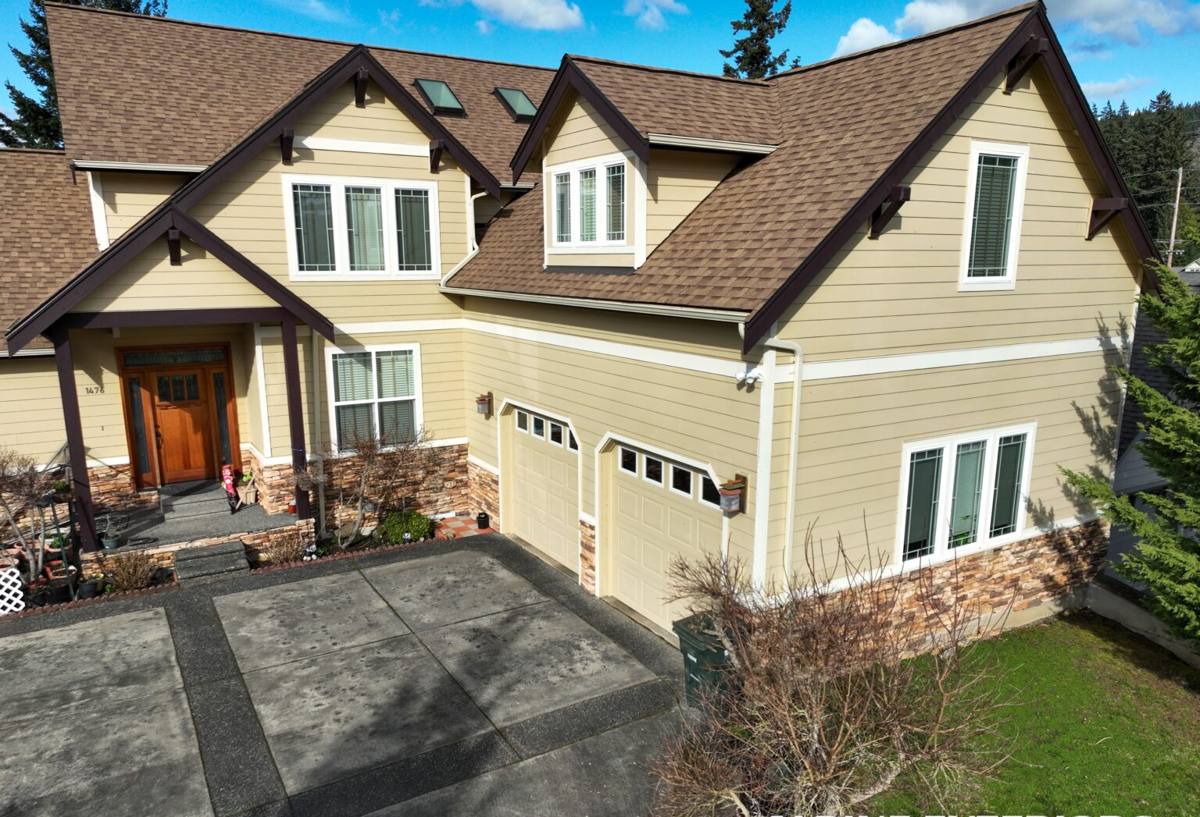
Signs Your Current Windows Are Losing the Battle
Most homeowners don't think about window replacement until something is obviously wrong, but the early signs are worth catching before they turn into rot repair. Watch for:
- Condensation or fogging between the panes — the seal on the insulated glass unit has failed
- Soft or discolored wood trim and sills, especially on north- and west-facing walls
- Drafts you can feel with your hand near the frame on a windy day
- Sashes that are hard to open, won't stay up, or don't latch flush anymore
- Visible moss or black staining building up in the corners of the frame or sill
- Paint or finish that's peeling from the inside out, not just weathering on the exterior
Any one of these can usually be repaired. Several at once, on a window more than fifteen or twenty years old, is usually the point where replacement costs less over time than continuing to patch it.
What a Correct Installation Actually Involves
The window unit itself gets most of the attention, but in a wet climate the installation detailing is what determines whether that window lasts ten years or thirty. A correct job is not just "pull the old one, set the new one, caulk the edges."
Flashing and Water Management
Every rough opening needs to be flashed so that any water that gets behind the siding or trim is directed back out, not trapped against the framing. That means sill pans or sloped sill flashing, properly lapped side and head flashing, and integration with the house's weather-resistive barrier — done in the right order, not just sealed with caulk after the fact. This is the single biggest factor in whether a window installation holds up in a coastal Skagit County climate.
Sealing Without Trapping Moisture
It's tempting to seal a window airtight on every side, but that can actually trap moisture that gets in from elsewhere and give it nowhere to escape. Correct sealing uses the right sealant in the right places — typically sealed on the interior for air control, with a drainage path left at the sill so any water that does get in can get back out.
Frame and Structural Fit
Custom sizing matters because older Skagit County homes rarely have perfectly square, standard-sized openings. A frame that's shimmed correctly and fastened per the manufacturer's schedule performs as designed; one that's forced into an out-of-square opening will bind, leak, or fail its warranty terms.
Choosing the Right Frame Material for This Climate
There's no single "best" window material for every home — it depends on your home's style, your budget, and how much upkeep you want to take on. Here's how the common options compare for a marine, high-moisture climate like Mount Vernon's:
| Material | Moisture Performance | Maintenance | Best Fit |
|---|---|---|---|
| Vinyl | Very good — won't rot, resists salt air well | Low — occasional cleaning | Budget-conscious replacement, rental properties |
| Fiberglass | Excellent — dimensionally stable, holds paint well in wet/dry cycles | Low to moderate | Long-term ownership, larger custom openings |
| Wood (clad exterior) | Good if detailing is correct — exterior clad protects the wood | Higher — interior wood still needs periodic attention | Historic or traditional-style homes wanting a wood interior look |
| Solid wood (unclad) | Requires the most upkeep in this climate | High — regular painting/sealing to prevent rot | Strict historic accuracy where cladding isn't an option |
For most Mount Vernon homes, vinyl and fiberglass make the most practical sense — they shrug off the salt air and rain cycle with the least ongoing work. Clad wood is a reasonable choice when the look matters more than minimizing maintenance, as long as the installer details the cladding and flashing correctly so the wood core stays protected.
Glass Packages Worth Considering
The frame material gets the attention, but the glass package does a lot of the actual work in a climate like this. Double-pane, Low-E coated glass with an argon or krypton gas fill is the standard for a reason — it cuts heat loss, reduces condensation risk on the interior pane, and helps manage the temperature swings between damp mornings and afternoon sun. On west- and south-facing exposures that get more direct sun, a Low-E coating tuned for solar heat gain control can also keep rooms from overheating in summer. We'll walk through the specific glass options for your home during the estimate rather than guess at what's right sight-unseen.
Our Process, Start to Finish
1. On-Site Assessment
We look at the actual condition of your existing windows and openings — not just the glass, but the framing, sill condition, and any signs of past water intrusion. This tells us whether you're looking at straightforward replacement or if there's rot or structural repair to address first.
2. Custom Measurement and Product Selection
Every opening gets measured individually. We'll go over frame material, glass package, and style options based on your home, your budget, and how exposed that particular wall is to wind-driven rain.
3. Removal and Opening Prep
Old units come out carefully to avoid damaging surrounding trim and siding. Any soft wood or failed flashing we find gets addressed before the new window goes in — installing a new window into a compromised opening just resets the clock on the same problem.
4. Flashing, Installation, and Sealing
New sill flashing, proper lapping with the house wrap or building paper, correct shimming and fastening, and sealant applied where it belongs — not everywhere.
5. Interior and Exterior Finish
Trim, casing, and paint or caulk lines finished to match the rest of the house, inside and out.
6. Final Walkthrough
We check every window operates smoothly, latches correctly, and seals properly before we consider the job done.
Why a Crew That Already Works Mount Vernon Matters
A contractor who works this part of Skagit County regularly already knows what the local climate does to a window installation over time — which exposures take the worst weather, how moss and moisture behave on older homes in this area, and what flashing details actually hold up here versus what looks fine on install day and fails in three winters. That local experience shows up in the small decisions during installation that you'd never think to ask about, but that determine whether the job lasts.
It also matters for straightforward logistics — being nearby means a faster response if you have a follow-up question after installation, and familiarity with the kind of housing stock common in and around Mount Vernon and Anacortes means fewer surprises once we open up your existing window openings.
After Installation: Keeping New Windows Performing
New windows still need a bit of upkeep to get their full lifespan out of them in this climate. A short annual routine goes a long way:
- Wipe down tracks and sills to clear out dirt, moss spores, and organic debris before they take hold
- Check exterior caulk lines each fall for cracking or separation and touch up as needed
- Test that weep holes on the exterior sill are clear so water can drain out
- Operate each window through a full open-close cycle a few times a year so hardware doesn't seize
- Look for any new staining or soft spots on interior sills after the wettest months
None of this is a big project — a few minutes per window, once or twice a year, is usually enough to catch small issues before they become expensive ones.
Get a Straightforward Estimate
If your windows are drafty, fogged, sticking, or just past their years, we're happy to take a look and give you an honest read on repair versus replacement — no pressure, no inflated quote to push a sale. Fill out the form below and we'll schedule a time to walk through your home.