 Anacortes Siding
 Deck Replacement in Mount Vernon
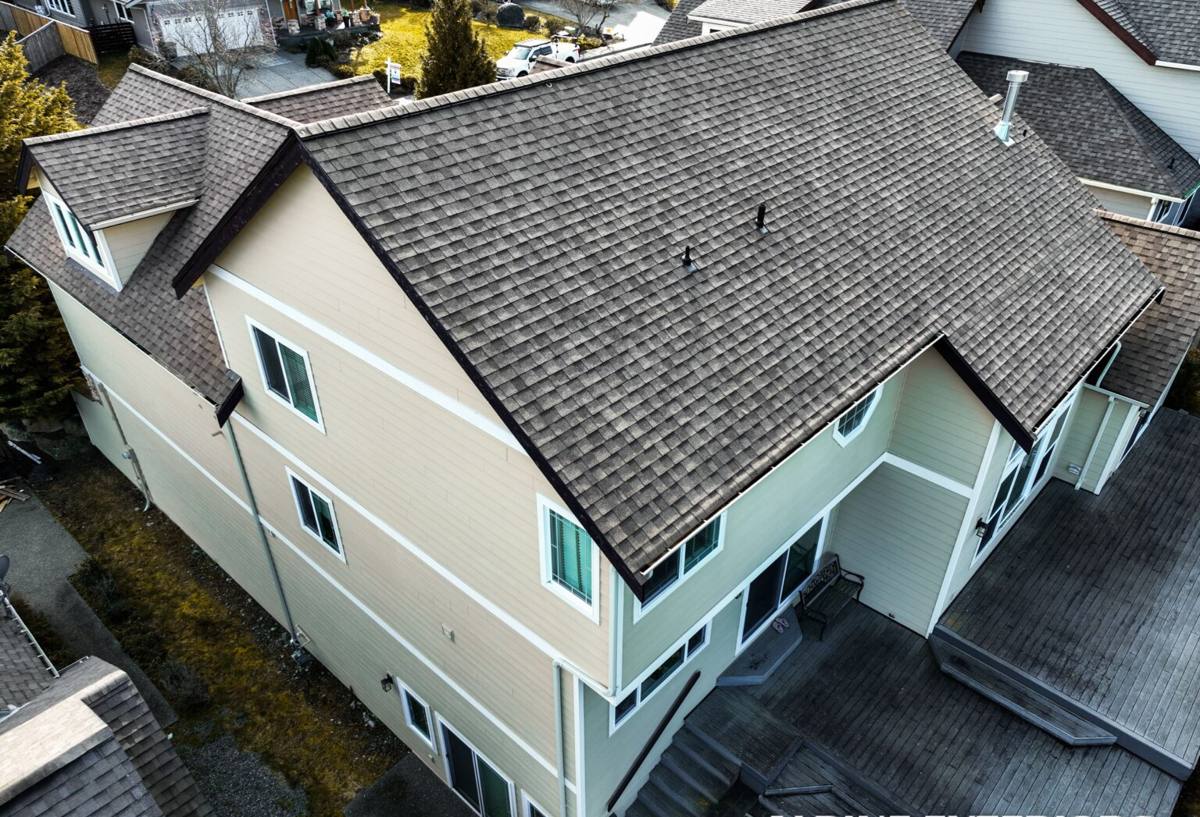
A deck in Mount Vernon lives a harder life than the sales brochure suggests. Between the salt-tinged marine air drifting in off the Skagit delta, long stretches of driving rain, and a moss season that can run from October well into spring, an aging deck here is usually further gone than it looks from the porch door. We replace decks for homeowners throughout this part of Skagit County, and the pattern is almost always the same: the top boards look tired but survivable, while the ledger board, joists, and post bases underneath have been quietly failing for years.
This page covers what a proper deck replacement actually involves in this climate, what separates a durable rebuild from a cosmetic one, and how we run the job from first look to final walkthrough.
Why Mount Vernon Decks Wear Out Faster Than You'd Expect
Skagit County's climate is deceptively rough on exterior wood structures. It's not one dramatic weather event that kills a deck — it's the accumulation of small, repeated exposure over years.
The Big Three Stressors
- Moisture that never fully leaves. Long rainy stretches keep decking, framing, and fasteners damp for days at a time. Wood that can't dry out between rain events starts to rot from the inside, even if the surface still looks fine.
- Moss and algae buildup. A moss layer holds water against the board surface like a wet sponge, which accelerates decay in the wood underneath and makes boards slick and unsafe well before they look structurally bad.
- Salt-influenced air. Proximity to Puget Sound and the delta means a steady low level of salt and moisture in the air, which speeds up corrosion on fasteners, brackets, and any metal hardware that isn't rated for the exposure.
Individually, none of these is dramatic. Together, over ten or fifteen years, they're why so many decks in this area fail from the ground up rather than the top down.
Signs a Deck Needs Replacing, Not Patching
Homeowners often call us wanting a few boards swapped. Sometimes that's the right call. Often, once we're underneath, it isn't. Here's how we tell the difference.
| Symptom | Likely Meaning | Repair or Replace |
|---|---|---|
| A few cupped or splintering boards, framing feels solid | Surface wear from sun and moisture cycling | Often repairable |
| Soft or spongy spots underfoot | Rot has reached the joists or decking core | Replace affected section, inspect framing |
| Ledger board area shows staining or soft wood | Water has been getting behind the house-to-deck connection | Full structural review, likely replacement |
| Posts wobble or footings look sunken | Foundation-level failure | Replace — this is a safety issue |
| Persistent moss and dark staining across most boards | Chronic moisture retention, wood likely compromised beneath | Usually replace |
| Nails backing out or fasteners rusted through | Hardware failure, common in this climate | Depends on framing condition beneath |
The ledger board — the piece that bolts the deck to your house — deserves special attention. It's the single most common failure point we find in this region, because it's also the hardest spot for water to escape once it gets trapped there.
What a Correct Deck Replacement Actually Involves
A deck replacement done right is a structural project with a finish layer on top, not the other way around. Skipping steps below is exactly how a "new" deck ends up with the same problems in five years.
1. Full Teardown and Inspection
We remove the old decking, railing, and as much framing as needed to see the condition of the ledger board, joists, beams, and post footings. This is where we find out whether the problem was cosmetic or structural — and it's information you can't get from the top side of an existing deck.
2. Ledger Flashing Done Properly
The ledger-to-house connection is where the majority of hidden rot starts in this climate. Correct flashing directs water away from the house wall and framing instead of letting it collect behind the ledger board. This step is invisible once the deck is finished, which is exactly why it's the step most likely to get shortcut by a rushed crew.
3. Framing and Fastener Choices Rated for the Exposure
Given the salt-air influence and near-constant moisture, we use fasteners and hardware rated for wet, corrosive exposure rather than standard interior-grade hardware. It costs a little more upfront and saves you from hidden corrosion failures later.
4. Footings and Post Bases
Footings need to sit below frost depth and be set so that post bases keep wood off standing water. A lot of older Mount Vernon-area decks were built with post bases sitting directly in soil or shallow concrete that's since shifted — we correct that as part of the rebuild, not as an afterthought.
5. Decking Material Selection
This is the decision homeowners spend the most time on, and it deserves its own section below.
Choosing Decking Material for This Climate
There's no single "best" decking material — there's a best fit for your budget, maintenance appetite, and how much moss and moisture exposure your particular lot gets (a shaded, tree-covered yard behaves very differently than an open, sunny one).
| Material | Moisture/Moss Behavior | Maintenance | Typical Lifespan |
|---|---|---|---|
| Pressure-treated lumber | Resists rot when properly sealed; needs regular upkeep | Annual cleaning and periodic sealing | 15–20 years with upkeep |
| Cedar | Naturally moisture-resistant, but surface still needs care in shaded/mossy areas | Periodic cleaning and staining/sealing | 15–25 years with upkeep |
| Composite decking | Doesn't rot; can still get slick with algae/moss film and needs washing | Occasional washing, no sealing | 25–30+ years |
| PVC/synthetic decking | Fully moisture-resistant surface, least hospitable to moss growth | Lowest — occasional rinsing | 25–30+ years |
Our professional standard is to match the material to how much attention you realistically want to give the deck. If you don't want to think about sealing schedules, we'll steer you toward composite or PVC. If you like the look and feel of real wood and don't mind the upkeep, cedar or treated lumber done with correct framing underneath will serve you well.
Our Process for a Mount Vernon Deck Replacement
- On-site assessment. We look at the existing deck, ledger connection, and site conditions — sun exposure, tree cover, drainage — before quoting anything.
- Written estimate with material options. You'll see a straightforward breakdown, not a single bundled number, so you can weigh material choices against cost.
- Permitting. Deck replacements typically require a permit through Skagit County or the City of Mount Vernon depending on your specific location — we handle that paperwork as part of the job.
- Teardown and structural rebuild. Old decking and compromised framing come out; ledger flashing, footings, and framing go in correctly before a single finish board is installed.
- Decking, railing, and finish work. Installed per manufacturer spec for whichever material you've chosen, including proper fastener spacing and gapping for wet-climate expansion.
- Final walkthrough. We go over the finished deck with you, including basic maintenance guidance specific to the material installed.
What to Have Ready Before We Start
- Rough sense of how the deck will be used (dining, grilling, hot tub, etc.) — this affects framing load requirements
- Any known history of water intrusion into the house near the deck attachment point
- Preference on low-maintenance vs. traditional wood look
- Access notes — gates, side yard clearance, anything that affects equipment and material delivery
Why Local Experience in Mount Vernon Matters
A crew that only occasionally works in this region tends to build to a generic spec — treating Mount Vernon like anywhere else in the Pacific Northwest. A crew that works this area regularly knows which ledger connections fail first because of the moisture patterns here, which yards hold moss longer because of shade and drainage, and which fastener grades actually hold up under the salt-influenced air rather than just meeting a minimum building code. That local pattern recognition is what keeps a "new" deck from developing the same hidden problems the old one had, just on a longer delay.
It also matters for permitting and inspection — knowing the local process means fewer surprises and delays partway through your project.
Maintenance After Replacement
Whatever material you choose, a little seasonal attention goes a long way in this climate:
- Sweep leaves and debris off the deck surface before wet weather sets in each fall — trapped organic matter is what feeds moss growth
- Rinse or gently wash the surface once or twice a year to interrupt algae and moss before it establishes
- Check railing and stair connections annually for looseness, especially after the wettest months
- For wood decking, reseal on the manufacturer's recommended schedule rather than waiting until it visibly needs it
- Keep gutters and downspouts near the deck clear so runoff isn't dumping extra water onto or under the structure
If your deck is showing soft spots, chronic moss, or you're just not sure whether it's worth repairing versus replacing, we're happy to take a look. We offer free, no-pressure estimates for Mount Vernon homeowners — use the form below to get started.