 Anacortes Siding
 Board & Batten Siding for Edison Homes
Edison sits in the low, flat farmland of the Samish Flats, tucked between Bow and Anacortes with the Samish Bay tidelands close enough that salt air is part of daily life. It's a small community with a distinct character — old storefronts, working farmland, and homes that have to stand up to weather coming off the water with almost nothing to slow it down. Board and batten siding has a strong following out here because the vertical lines suit the area's older farmhouse and barn-style architecture, but the look only holds up long-term if the system underneath it is built for this specific climate. We install board and batten using James Hardie fiber cement panels and battens, and this page walks through what that actually involves for a home in the Edison area.
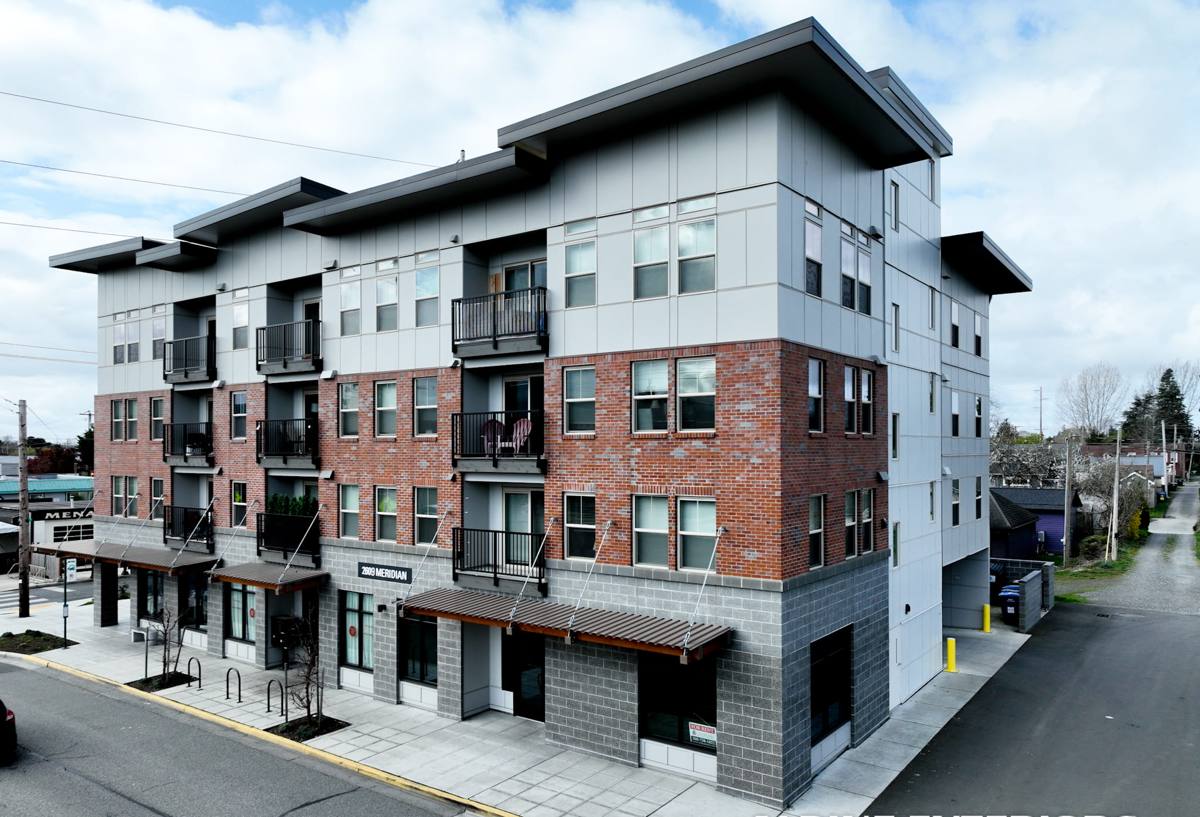
Why Edison's Climate Is Hard on Vertical Siding
Board and batten siding has more seams than lap siding — every batten creates a joint, and every joint is a place water can find its way behind the cladding if the install isn't right. That matters more here than in a lot of places, for a few reasons specific to this part of Skagit County.
Salt Air Off Samish Bay
Edison's proximity to the bay means airborne salt is a constant, low-grade presence on every exterior surface. Salt accelerates corrosion on fasteners and metal flashing, and it degrades cheap paint finishes faster than inland weathering alone would. Any material or fastener that isn't rated for coastal exposure will show it within a few years — chalking, rust streaks at nail heads, and paint that fails from the inside out.
Driving Rain and Wind-Driven Moisture
The open farmland around Edison gives storms a clear run at a house — there's little tree cover or terrain to break wind-driven rain the way you'd get in a more sheltered neighborhood. That rain doesn't just fall straight down; it gets pushed sideways into seams, under battens, and around window and door trim. A board and batten system that isn't detailed with a real drainage plane behind it will eventually take on water at those battens.
A Long, Damp Moss Season
Low-lying, moisture-holding land plus long stretches of gray Pacific Northwest weather add up to a moss and algae season that runs much of the year. Moss doesn't just look bad — it holds moisture directly against the siding surface, which is exactly what accelerates rot in wood-based products and what breaks down cheap paint film on any substrate. Siding here needs a factory finish and a substrate that can tolerate sustained dampness without swelling, cupping, or feeding organic growth.
What Correct Board & Batten Installation Actually Involves
Board and batten looks simple from the curb — vertical boards, battens over the seams — but the assembly behind that look is what determines whether it lasts 10 years or 40. Here's what we build into every installation:
A Real Drainage Plane
Behind the panels, we install a weather-resistant barrier and, on most Edison-area jobs, a rainscreen gap — a small air space that lets any moisture that does get past the cladding drain and dry out instead of sitting against the sheathing. This is the single biggest factor in whether a board and batten wall performs long-term in a wet, wind-driven climate like this one.
Panel and Batten Layout
We use James Hardie vertical panel siding with battens fastened over the panel joints, spaced and fastened to Hardie's published specifications — not eyeballed. Batten spacing affects both the finished look and the wall's structural performance, so it's engineered, not improvised.
Fastening for Coastal Exposure
Every fastener is corrosion-resistant and rated for the exposure this area sees. Cheap or mismatched fasteners are one of the most common failure points we find when we're asked to look at an older board and batten job near the water — rust streaks bleeding down the face of the siding are almost always a fastener problem, not a siding problem.
Flashing at Every Penetration
Windows, doors, hose bibs, light fixtures, vents — every penetration through a board and batten wall is a place water can enter if it isn't flashed correctly. We flash and seal these points as part of the install, not as an afterthought once the siding is up.
Trim and Corner Detailing
Corners, water tables, and trim boards all get treated as part of the drainage system, not just cosmetic finish work. Gaps, caulk joints, and butt seams are placed and sealed with the same attention as the field of the wall.
Our Process for an Edison Board & Batten Project
- On-site assessment. We look at your home's current siding condition, existing moisture damage if any, window and door flashing, and sun/wind exposure specific to your lot.
- Tear-off and sheathing check. Old siding comes off and we inspect the sheathing underneath for rot or soft spots before anything new goes up — this is the point where hidden problems get found and fixed, not covered over.
- Weather barrier and drainage plane installation. The house wrap and, where called for, rainscreen furring go on before a single panel is hung.
- Panel and batten installation. Hardie panels and battens go up to spec, with corner and trim detailing built in as we go.
- Flashing and sealant work at all penetrations and transitions.
- Final finish check and walkthrough. We review the completed exterior with you before calling the job done.
Material Comparison for a Board & Batten Look
Board and batten can be built with several different materials, and the differences matter a lot more in a salt-air, high-rainfall area than they would somewhere drier.
| Material | Moisture Behavior Near Salt Air | Finish Durability | Long-Term Fit for Edison |
|---|---|---|---|
| James Hardie fiber cement | Non-combustible, engineered to resist moisture-driven swelling and cracking | ColorPlus factory finish resists fading and chalking, backed by a dedicated finish warranty | Built for this exposure; our standard install |
| Primed wood or cedar | Absorbs moisture at seams and end grain; prone to cupping and rot in sustained damp conditions | Field-applied paint fails faster under coastal UV and salt exposure | High maintenance burden in this climate |
| Vinyl | Doesn't rot, but battens are often faux-applied over a flat panel rather than true dimensional boards; can warp in direct sun exposure | Color is through-body but fades over time; can't be repainted easily if damaged | Not what we install — doesn't match Hardie's fire performance or authentic board and batten profile |
| Engineered wood (LP-type products) | Wood-based core is more vulnerable to sustained moisture exposure at damaged or unsealed edges | Factory finish varies by product; edge sealing is critical and easy to miss in the field | Not what we install — see our separate page on why we standardized on Hardie |
Why We Only Install James Hardie
We made a decision a long time ago to install one fiber cement system — James Hardie — rather than offering several products and letting price shop the difference. In a climate like Edison's, the gap between a correctly engineered fiber cement system and cheaper alternatives shows up fast: at seams, at fastener heads, at cut edges that weren't sealed. Hardie's HZ5 product line is engineered specifically for climates with sustained moisture exposure, the ColorPlus finish is factory-applied and backed by its own warranty against fading and peeling, and the material itself is non-combustible — a real consideration given how many properties around Edison sit close to open farmland and seasonal burn activity. We're not going to tell you other products don't work anywhere; we're telling you why we stopped installing them on homes in this specific climate.
Cost Factors for a Board & Batten Project
Every board and batten quote is specific to the home, but the factors that move the price are consistent:
- Tear-off scope — full removal of existing siding versus a smaller repair or partial re-side
- Sheathing condition — hidden rot or water damage found during tear-off adds repair work before new siding can go up
- Wall complexity — dormers, bump-outs, and multiple gable ends all add cutting, fitting, and trim time
- Drainage plane approach — a full rainscreen assembly costs more up front than a standard weather-resistant barrier, but pays for itself in reduced moisture risk over the life of the siding
- Trim and corner detailing — custom corner boards and water tables take more labor than standard trim packages
- Color and finish selection — ColorPlus factory finishes versus field-applied paint after installation
A Pre-Install Checklist for Edison Homeowners
If you're planning a board and batten project, these are worth walking through before work starts:
- Ask whether a rainscreen gap is included, and why or why not for your specific wall assembly
- Confirm the fastener type and that it's rated for coastal/salt-air exposure
- Ask how window, door, and other penetrations will be flashed — get specifics, not just "we'll seal it"
- Check whether sheathing will be inspected during tear-off, and how any rot found will be handled and priced
- Confirm which Hardie product line is being used (HZ5 is the standard we use for this climate) and that ColorPlus finish is factory-applied, not field-painted
- Ask for the specific batten spacing and layout plan for your home's elevations before work begins
Why Hiring a Crew That Already Works This Area Matters
A crew that only occasionally works in coastal Skagit County can install board and batten siding that looks correct and still fails at the seams within a few years, because the details that matter here — drainage planes, fastener selection, flashing at every penetration — aren't optional extras, they're the difference between a wall that sheds water and one that traps it. We work this stretch of Skagit County regularly, from Anacortes through the Samish Flats and out toward Edison, and we've seen firsthand what salt air and driving rain do to siding that wasn't detailed for it. That's the standard we build every board and batten project to, whether it's a small farmhouse re-side or a full exterior replacement.
If you're weighing board and batten siding for a home in the Edison area, we're glad to come take a look and walk you through what your specific house needs. The estimate is free, there's no pressure, and you'll get a straight answer about what the job actually involves — just fill out the form below to get started.