 Anacortes Siding
 Siding Built for La Conner's Waterfront Climate
La Conner sits right on the water in Skagit County, and that location cuts both ways. It's part of what makes the town special, and it's also what wears out siding faster than almost anywhere else in the region. Homes here take on a steady diet of salt-laden air off the channel, wind-driven rain that hits siding sideways instead of straight down, and a moss and mildew season that can stretch across most of the year in our marine climate. Add in the humidity that never really disappears, even in summer, and you've got a set of conditions that punishes the wrong siding material and rewards the right one.
We install James Hardie fiber cement siding, exclusively, on homes throughout the La Conner and greater Anacortes area. This page walks through what La Conner's climate actually does to a house over time, what a correct siding installation needs to account for, and how our process is built around the realities of working this specific stretch of Skagit County.
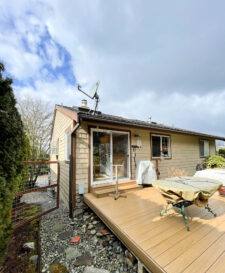
What Salt Air, Rain, and Moss Actually Do to Siding
Salt Air
Airborne salt from tidal water doesn't just sit on the surface of a house — it works its way into seams, fastener heads, and any place moisture can collect. Over years, it accelerates corrosion of metal fasteners and trim, and it speeds up the breakdown of finishes that weren't engineered to resist it. Siding material and finish quality matter more here than they do a few miles inland.
Driving Rain
Wind off the water pushes rain into siding at an angle, not just straight down. That means water gets forced up under laps, into butt joints, and against any gap in the weather barrier that a calmer climate might never test. A siding system that relies on caulk and good intentions instead of proper flashing and drainage will eventually let water in — it's a matter of when, not if.
Moss and Sustained Moisture
Long stretches of damp, mild weather are ideal for moss, algae, and mildew growth on north-facing and shaded walls. On materials that absorb moisture or that need repainting to stay protected, that growth accelerates surface breakdown and creates a maintenance cycle that never really ends. Siding that resists moisture absorption at the material level, not just at the paint layer, holds up dramatically better.
Why We Only Install James Hardie Fiber Cement Here
We get asked regularly why we don't offer vinyl, LP SmartSide, cedar, or other fiber cement brands. The honest answer is that we've made a professional judgment call based on what actually performs in this climate over the long term, not what's cheapest to install or easiest to sell.
- Vinyl expands and contracts with temperature swings, can warp or crack in wind exposure, and its seams and J-channels give wind-driven rain more opportunities to find a way behind the panel.
- LP SmartSide and other engineered wood products are wood-based. Wood-based siding depends entirely on an intact factory coating and careful field sealing of every cut edge to keep moisture out — miss one cut edge in a climate like this and you've created a spot for rot to start.
- Cedar and primed wood are handsome materials, but they require an ongoing repainting and sealing schedule to survive a marine climate, and they're a preferred food source for the kind of moisture and insect problems that show up in damp coastal air.
James Hardie fiber cement is cement-based, not wood-based. It doesn't absorb moisture the way wood products do, it won't rot, and it's non-combustible. Hardie also engineers specific product formulations, called HardieZone, for different climate zones — the Pacific Northwest falls under HZ5, which is formulated for our wet, moderate-temperature conditions specifically. That's a meaningful difference from a one-size-fits-all siding product, and it's a big part of why we standardized on it.
Siding Options Compared for a La Conner Climate
| Material | Moisture Behavior | Maintenance Burden | Typical Lifespan Here |
|---|---|---|---|
| James Hardie Fiber Cement | Does not absorb water or rot; factory-engineered for wet climates | Occasional wash; ColorPlus finish reduces repainting needs | Decades, with proper installation |
| Vinyl | Doesn't rot, but seams and gaps allow water intrusion behind panels | Low, but prone to cracking and fading in sun/wind exposure | Variable; shorter in high-wind waterfront exposure |
| Engineered Wood (LP SmartSide) | Wood-based core; vulnerable at cut edges and coating failures | Requires diligent edge sealing and coating upkeep | Shorter without strict maintenance |
| Cedar / Primed Wood | Absorbs moisture readily; needs an intact finish at all times | Regular repainting/sealing, moss and mildew management | Shortest without heavy ongoing maintenance |
This table reflects general material behavior, not a guarantee for any specific product or job — but the pattern holds consistently across the industry, and it's the reason our crews only carry Hardie product on the truck.
What a Correct La Conner Siding Installation Involves
The siding material is only part of the equation. Most siding failures we see on older homes in this area weren't caused by bad siding — they were caused by an installation that didn't account for how water actually moves on a wind-exposed, wet-climate house. A correct job includes:
Weather-Resistive Barrier and Drainage Plane
A properly lapped weather-resistive barrier goes on before any siding, and in high-exposure areas we build in a drainage gap so that any water that does get behind the siding has somewhere to go instead of sitting against the wall sheathing.
Flashing at Every Penetration
Windows, doors, hose bibs, vents, and any other penetration through the wall plane need proper flashing that directs water outward, not into the wall cavity. This is where driving rain finds weak installations, and it's non-negotiable on a waterfront job.
Correct Fastening
James Hardie specifies fastener type, spacing, and placement for a reason — under-fastened or improperly placed panels can work loose in sustained wind, and the wrong fastener metal will corrode faster in salt air. We follow Hardie's installation specifications to the letter, which also matters for keeping the manufacturer's warranty intact.
Proper Clearances
Siding needs clearance from grade, roof lines, decks, and other transitions so water can't wick up into the bottom edge of the panel. This is a common shortcut on rushed jobs and a common cause of rot at the base of a wall.
Our Process, Start to Finish
- On-site assessment — we look at your home's exposure to wind and water, the condition of the existing siding and sheathing underneath, and any moisture damage that needs to be addressed before new siding goes on.
- Plan and product selection — we walk through Hardie's plank, panel, and shingle profiles and ColorPlus color options so the finished look fits the home and the neighborhood.
- Tear-off and inspection — removing old siding lets us check the sheathing and framing for hidden rot or moisture damage that needs repair before anything new goes on. Covering up a problem is worse than finding it.
- Weather barrier and flashing — the water management layer goes in correctly before a single piece of siding is hung.
- Installation to manufacturer spec — proper fastening, spacing, and clearances, following James Hardie's published installation guidelines.
- Final walkthrough — we go over the finished work with you before calling the job done.
Why Local Experience in La Conner Matters
A crew that already works in La Conner and the surrounding Anacortes area knows the specific pressures this stretch of Skagit County puts on a house — the wind patterns off the water, which sides of a home take the worst of the driving rain, and how fast moss and moisture problems can develop on a shaded or waterfront-facing wall. That local pattern recognition shapes real decisions: where extra flashing attention is worth it, which wall orientations need closer inspection during tear-off, and how to sequence a job around this area's weather windows so panels and seams aren't installed in conditions that compromise the work.
It also means familiarity with permitting and inspection expectations in Skagit County, and a crew that isn't learning the local climate on your project. Waterfront and near-waterfront homes are not the place for a generalist approach to siding.
Keeping Hardie Siding Looking Right in This Climate
One advantage of fiber cement with a factory-applied ColorPlus finish is that it needs far less upkeep than wood or repainted surfaces — but "low maintenance" isn't "no maintenance," especially this close to the water. A simple seasonal routine keeps siding performing and looking good for the long haul:
- Rinse siding once or twice a year to remove salt residue and airborne grime, more often on walls that face prevailing wind and spray
- Check north-facing and shaded walls for early moss or algae growth and address it before it spreads
- Keep gutters clear so overflow doesn't run down the face of the siding repeatedly in the same spot
- Trim back vegetation that keeps a wall section shaded and damp
- Inspect caulking at trim and penetrations annually and have any gaps addressed promptly
- Watch for any soft spots, staining, or damage near grade level after major storms
What Affects the Cost of a La Conner Siding Job
Every home is different, so we don't quote sight-unseen, but a few factors tend to drive cost on jobs in this area more than others:
| Factor | Why It Matters Here |
|---|---|
| Existing sheathing condition | Waterfront homes more often have hidden moisture damage from years of salt and rain exposure, which needs repair before new siding goes on |
| Wind exposure of the site | More exposed sites may warrant additional flashing detail and fastening attention |
| Home size and wall complexity | More corners, penetrations, and trim details mean more labor and material |
| Siding profile and color choice | Plank, panel, and shingle profiles and premium ColorPlus colors vary in material cost |
| Access and site conditions | Waterfront lots and tight in-town lots can affect staging and scaffolding needs |
We'll walk through all of this with you on-site and put together a clear, itemized estimate before any work begins.
If your La Conner home is due for new siding, or you're seeing early signs of moisture or moss damage, we're glad to come take a look. There's no pressure and no cost to get our honest read on what your home needs — just fill out the form below to schedule a free estimate.