 Anacortes Siding
 Windows Built for March Point's Exposure
March Point sits out on the water side of Anacortes, which means homes here take a different kind of weather beating than houses further inland in Skagit County. The combination of salt-laden air off Fidalgo Bay and Padilla Bay, near-constant wind exposure, and driving rain that comes in sideways rather than straight down puts real stress on windows that were never designed for it. A window that performs fine in a sheltered inland neighborhood can start failing within a few years out here if it wasn't specified and installed correctly.
We've worked on enough homes in this part of Anacortes to know what actually holds up. This page covers what March Point homeowners should know before replacing or installing custom windows — the material and glass choices that matter, how we handle the install itself, and what separates a window that lasts twenty-plus years from one that starts leaking or fogging after five.
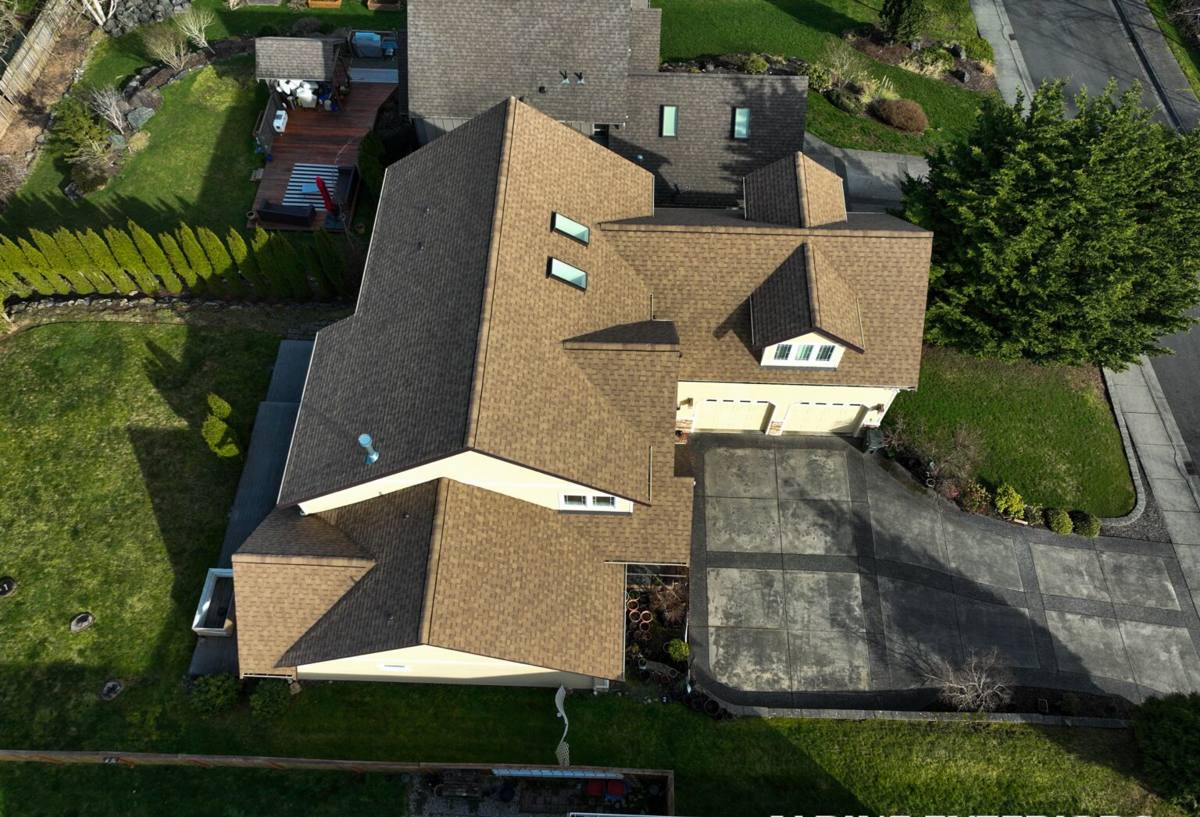
What the March Point Climate Does to Windows
Three things drive most of the window problems we see on service calls out here:
Salt Air Corrosion
Airborne salt from the surrounding bays accelerates corrosion on hardware, fasteners, and unprotected metal components. Cheap or mismatched hardware — the kind that's fine in a landlocked suburb — can start pitting and seizing within a couple of seasons on a March Point home. This is one of the most overlooked factors when homeowners shop windows on price alone.
Driving, Wind-Driven Rain
Water infiltration around window openings is the single most common failure point we find on this peninsula. It's rarely the window unit itself — it's usually a flashing or sealant detail that wasn't built to handle rain being pushed horizontally into the wall assembly under wind pressure. Once water gets behind the trim, it can sit there for years before you see a stain, and by then there's often rot to deal with.
Extended Moss and Damp Season
Skagit County's long stretch of overcast, damp weather keeps exterior surfaces wet for extended periods, which is exactly what moss and mildew need to establish themselves. On window sills, trim, and anywhere water can pool or linger, that constant dampness accelerates wood rot and finish failure if the materials and drainage details aren't right from day one.
Choosing the Right Window Materials for This Location
Not every window product on the market is a good fit for a saltwater-adjacent, high-rain neighborhood. Here's how the common frame materials stack up for March Point conditions specifically:
| Frame Material | Salt Air Performance | Moisture Behavior | Maintenance |
|---|---|---|---|
| Vinyl | Good — won't corrode or pit | Handles moisture well, no rot risk | Low; occasional cleaning |
| Fiberglass | Excellent — very stable in coastal exposure | Minimal expansion/contraction, strong seal retention | Low |
| Aluminum (uncoated/standard) | Poor without marine-grade coatings | Prone to condensation without thermal break | Higher; watch for corrosion |
| Wood (unclad) | Requires diligent upkeep near salt air | Vulnerable to rot if finish isn't maintained | High |
| Wood-clad (vinyl or aluminum exterior) | Good — cladding shields the wood | Good if cladding and flashing are done right | Moderate |
For most March Point homes, we steer people toward vinyl or fiberglass frames for the exterior-facing performance, or a well-clad wood window when the homeowner wants a wood interior look. Unclad wood and standard mill-finish aluminum are the two we caution against most in this specific location — not because they're bad products everywhere, but because this exposure asks more of them than they're built to give without a lot of ongoing maintenance.
Glass and Hardware Specifics Worth Knowing
The frame is only part of the equation. A few glass and hardware decisions matter more here than they would in a sheltered inland setting:
- Dual or triple-pane glazing with an argon or krypton fill helps manage the temperature swings between damp mornings and any afternoon sun, and cuts down on interior condensation during the wet months.
- Low-E coatings reduce heat loss during our long heating season without sacrificing the natural light homeowners want given how much of the year is overcast.
- Stainless steel or coated hardware for locks, hinges, and balances holds up far better against salt-air corrosion than standard zinc-plated hardware.
- Reinforced weatherstripping at the sash and frame junctions matters more here because of the sustained wind exposure — cheaper weatherstripping compresses and loses its seal faster under constant pressure.
- Warranty structure — ask what's actually covered for coastal or high-exposure installations, since some manufacturer warranties carve out reduced coverage in marine environments. We'll walk you through exactly what applies before you commit to a product.
How We Approach a Custom Window Install on March Point
1. Site and Exposure Assessment
Before we talk product, we look at which direction the home faces, how exposed each elevation is to wind-driven rain, and whether there's existing evidence of water intrusion or rot around current openings. This tells us where we need to be most careful with flashing and sealant detailing, and whether any sheathing or framing repair needs to happen before a new window goes in.
2. Correct Opening Preparation
A big share of window failures trace back to what happened — or didn't happen — before the window was ever set in the opening. We prep every opening with proper flashing (typically a combination of self-adhered flashing membrane and rigid flashing at the sill) designed to shed water outward, not trap it behind the trim.
3. Sealant and Weatherproofing Layers
We use a layered approach — flashing, backer rod, and quality sealant rated for exterior exposure — rather than relying on caulk alone to do the job. In a driving-rain environment like this one, a single point of failure in the weatherproofing is what eventually turns into an interior leak.
4. Installation and Fastening
Windows are shimmed, leveled, and fastened per manufacturer spec, with attention to squaring the unit so the sash operates smoothly for years rather than binding or sagging. We check operation multiple times during the install, not just at the end.
5. Trim, Sealing, and Final Check
Exterior trim gets sealed at every joint, not just where it meets the window frame, since gaps in trim seams are another common entry point for moisture in this kind of exposure. We do a final walkthrough with the homeowner to confirm operation, look, and finish before we consider the job done.
Signs a March Point Home Needs Window Attention
- Fogging or moisture between panes — the seal has failed and the insulated glass unit needs replacing
- Soft or discolored trim or sill wood, especially on the side of the house facing prevailing wind and rain
- Windows that are difficult to open, close, or lock — often a sign of frame movement or hardware corrosion
- Visible moss or persistent green staining on sills or trim that keeps coming back after cleaning
- Noticeable drafts or cold spots near the window frame during windy weather
- Peeling or bubbling paint/finish on wood-framed windows, which usually points to moisture getting underneath the finish
Why Local Installation Experience Matters Here
Window installation quality depends heavily on details that generic, one-size-fits-all crews tend to skip — the flashing sequence, the sealant choice, the hardware spec. A crew that's used to installing in sheltered, low-exposure settings can do a technically "fine" install that still fails within a few years out on March Point, simply because it wasn't built for this level of wind and rain exposure.
Working regularly around Anacortes and the rest of Skagit County means we've seen firsthand which details hold up out here and which ones don't. That's not a marketing line — it's the difference between a window install that needs revisiting in five years and one that doesn't need to be thought about again for decades.
Custom Windows: What "Custom" Actually Means
Custom doesn't have to mean exotic or expensive — for most March Point homes it means windows built to fit unique openings correctly (common in older or additions-heavy homes), matched to the home's architectural style, and specified with the right frame material, glazing package, and hardware for this specific exposure. We'll walk through sizing, style options (casement, double-hung, sliding, picture, and combinations), and finish choices as part of a straightforward estimate — no upselling toward a product that doesn't fit the house or the budget.
If you're dealing with drafty, foggy, or failing windows on your March Point home, or planning ahead for a remodel, we're happy to take a look and give you a straightforward, no-pressure estimate. Use the form below to get started.