 Anacortes Siding
 Siding Repair in Oak Harbor: What Local Homes Are Up Against
Oak Harbor sits close enough to the water that homes here take a different kind of beating than siding a hundred miles inland ever sees. Salt-laden air moves off the Sound and settles on exterior walls day after day, driving rain comes in sideways during fall and winter storms, and the shaded, damp stretches of the year give moss and algae months to get established on north-facing walls, fence lines, and anywhere sun doesn't reach consistently. None of that is unusual for the north Puget Sound region, but it adds up differently than most homeowners expect. A siding problem that would sit quietly for years in a drier climate can turn into rot, fastener failure, or a failed paint film here in a fraction of the time.
That's the backdrop for every repair call we take in Oak Harbor. We're not just patching a hole or replacing a cracked board — we're evaluating why that section failed in the first place, because in this climate the cause is very often moisture that's been working behind the siding longer than the visible damage suggests.
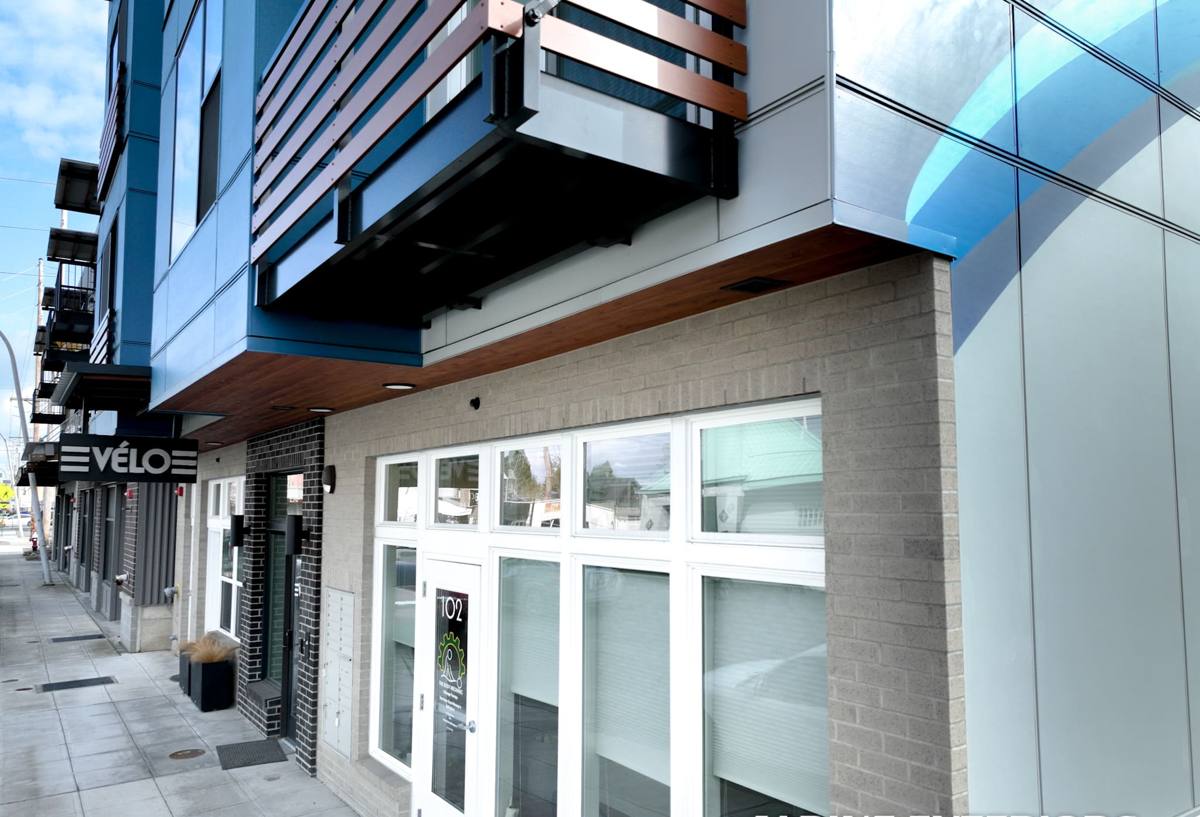
Signs Your Oak Harbor Home Needs Siding Repair
Some siding problems are obvious. Others hide behind a coat of paint until they're expensive. Here's what we tell Oak Harbor homeowners to watch for, especially after a wet winter:
- Soft or spongy spots when you press on a wall, especially near the bottom courses close to grade
- Paint that's bubbling, peeling, or alligatoring in patches rather than evenly across the wall
- Visible gaps, warping, or buckling in individual boards or panels
- Persistent moss or dark algae staining that keeps returning within a season of cleaning
- Cracks radiating from nail heads, or nail heads that have popped or backed out
- Musty smells or discoloration on interior walls that back up to exterior siding
- Gaps or separation around window and door trim where caulking has failed
Any one of these on its own might just need a small repair. Several together, especially clustered on the same wall, usually points to a moisture problem that's bigger than what's showing on the surface.
What a Correct Siding Repair Actually Involves
Diagnosing the Real Problem, Not Just the Symptom
The most common mistake we see in siding repairs — whether from a previous owner's DIY fix or a rushed handyman patch — is replacing the damaged board without asking why it failed. If the underlying issue was a flashing gap, a caulk joint that let water track behind the wall, or siding installed too close to grade or a roofline, a fresh piece of siding over the same problem will fail again, sometimes within a year or two. A correct repair starts with pulling back enough material to see the water-resistive barrier, flashing, and framing behind the damaged section, confirming there isn't hidden rot, and only then deciding what actually needs to come out.
Matching Materials and Finish
Repairs also have to match, not just physically but visually. Butting new siding against old siding that's faded or a slightly different profile leaves an obvious patch line. We match reveal, profile, and color as closely as the situation allows, and we're upfront with homeowners when a repair area is large enough or visible enough that a full wall section — rather than a single board — is the better long-term outcome.
Repair vs. Replacement: How We Make the Call
Not every siding problem needs a full re-side, and we're not going to tell an Oak Harbor homeowner they need one if a targeted repair will hold up. The table below is roughly how we think through it on a site visit.
| Situation | Usually a Repair | Usually Replacement |
|---|---|---|
| Damage extent | Isolated to one or two boards or a small panel section | Spread across multiple walls or repeated failures in different spots |
| Underlying cause | A single, identifiable source (impact damage, one bad caulk joint) | Systemic issue — bad flashing pattern, siding installed too low, chronic moisture intrusion |
| Material condition | Rest of the siding is sound, just weathered or dirty | Siding is near end of life, delaminating, or was a lower-durability product to begin with |
| Age of siding | Newer material with years of expected life left | Original siding is decades old or already past its realistic service life |
When the honest answer is "repair," that's what we recommend and quote. We'd rather do a smaller, correct job today than oversell a full re-side a homeowner doesn't need yet.
Why We Rebuild Damaged Sections with James Hardie Fiber Cement
When a repair does call for new material — whether it's a few boards or a full wall section — we install James Hardie fiber cement, and only James Hardie. We don't stock or install vinyl, LP SmartSide, or other fiber cement brands, even for small patch jobs, and that's a deliberate standard, not a matter of convenience.
Fiber cement doesn't absorb water and swell the way engineered wood products can, which matters directly in a climate where driving rain and prolonged damp shade are part of the yearly cycle. It's also non-combustible, which is a real consideration anywhere near dry summer conditions or nearby brush. James Hardie's ColorPlus factory finish is baked on under controlled conditions rather than field-applied, so a repaired section holds its color and resists the peeling and fading that field-painted trim and siding are prone to in salt air. And because Hardie's HZ5 product line is engineered specifically for the kind of freeze-thaw and moisture exposure common in the Pacific Northwest, a repaired wall isn't just patched — it's upgraded to a product built for exactly the conditions that caused the original damage.
Mixing a different siding brand or material into a wall that's otherwise James Hardie can also create its own problems: different expansion rates, different fastening requirements, and a finish that won't age the same way. Keeping repairs within the Hardie system avoids that mismatch entirely.
Our Process for Oak Harbor Siding Repair Calls
- On-site assessment: We inspect the damaged area and the surrounding wall, not just the spot the homeowner called about, since related issues often show up nearby.
- Moisture and structural check: Where damage suggests water intrusion, we open up the area enough to check sheathing, framing, and the water-resistive barrier before closing anything back up.
- Honest scope and quote: We explain what we found, why it happened, and give a clear repair-or-replace recommendation with a written quote — no upsell, no scare tactics.
- Correct rebuild: Flashing and moisture details get corrected as part of the repair, not just covered over, and new material is fastened and finished to James Hardie's installation specifications.
- Match and finish: We match reveal and color as closely as possible so the repaired section blends into the rest of the wall rather than standing out as an obvious patch.
What Happens When Siding Repairs Get Delayed
Siding damage in a wet coastal climate rarely stays the same size. Water that's getting behind a wall through a gap or a failed joint keeps working on the sheathing and framing underneath, whether or not the visible siding damage looks urgent. What starts as a repair that would take a crew a day can turn into a job that involves replacing sheathing, dealing with insulation that's absorbed water, or addressing mold growth once it's opened up. Cost aside, the longer moisture sits against wood framing through an Oak Harbor winter, the more of the structure ends up involved in the fix. Addressing visible damage while it's still isolated is almost always the cheaper and less disruptive path.
Why Hiring a Crew That Already Works Oak Harbor Matters
Siding repair looks different depending on where you are. A crew that mostly works drier inland areas may not think twice about a small gap in flashing or a caulk joint that's starting to separate — in a climate with less driving rain, that kind of detail matters less. Here, it's often the difference between a repair that lasts and one that reopens the same problem in a year. Working this area regularly means knowing which wall orientations take the worst of the weather, how moss and algae tend to behave on local homes through the wet months, and where older homes in the region are likely to have outdated or missing flashing details that need correcting as part of any repair — not just papered over.
Maintaining Siding Between Repairs
A correct repair should last, but a little regular upkeep goes a long way toward making sure it does — especially given how much moss and salt air this area sees. We recommend:
- Rinsing siding annually to clear salt residue and prevent moss and algae from getting established
- Keeping gutters clear so overflow doesn't run down and pool against siding
- Trimming back vegetation and tree cover that keeps walls shaded and slow to dry
- Re-caulking window and door trim joints as soon as gaps appear, rather than waiting
- Walking the exterior after major storms to catch new damage early, while it's still a small fix
If you're noticing soft spots, peeling paint, persistent moss, or other signs of trouble on your Oak Harbor home, we're happy to take a look. We offer free, no-pressure estimates — just fill out the form below and we'll get back to you.