 Anacortes Siding
 Why Ship Harbor Homes Take a Harder Hit Than Inland Anacortes
Ship Harbor sits right where Fidalgo Island meets Rosario Strait, and that waterfront exposure changes what siding has to deal with compared to a house a few miles inland. Homes here face onshore wind carrying salt spray, longer stretches of wind-driven rain coming straight off the water, and shaded, damp pockets around mature evergreens that hold moisture long after a storm has passed. None of that is unique to any one house in the neighborhood — it's just the baseline weather tax of living this close to the shoreline in Skagit County.
Siding that's rated fine for a typical Pacific Northwest suburb can still underperform here because the exposure is more constant. It's not one big storm a year that does the damage — it's the cumulative effect of salt, rain, and shade working on the same wall day after day, season after season.
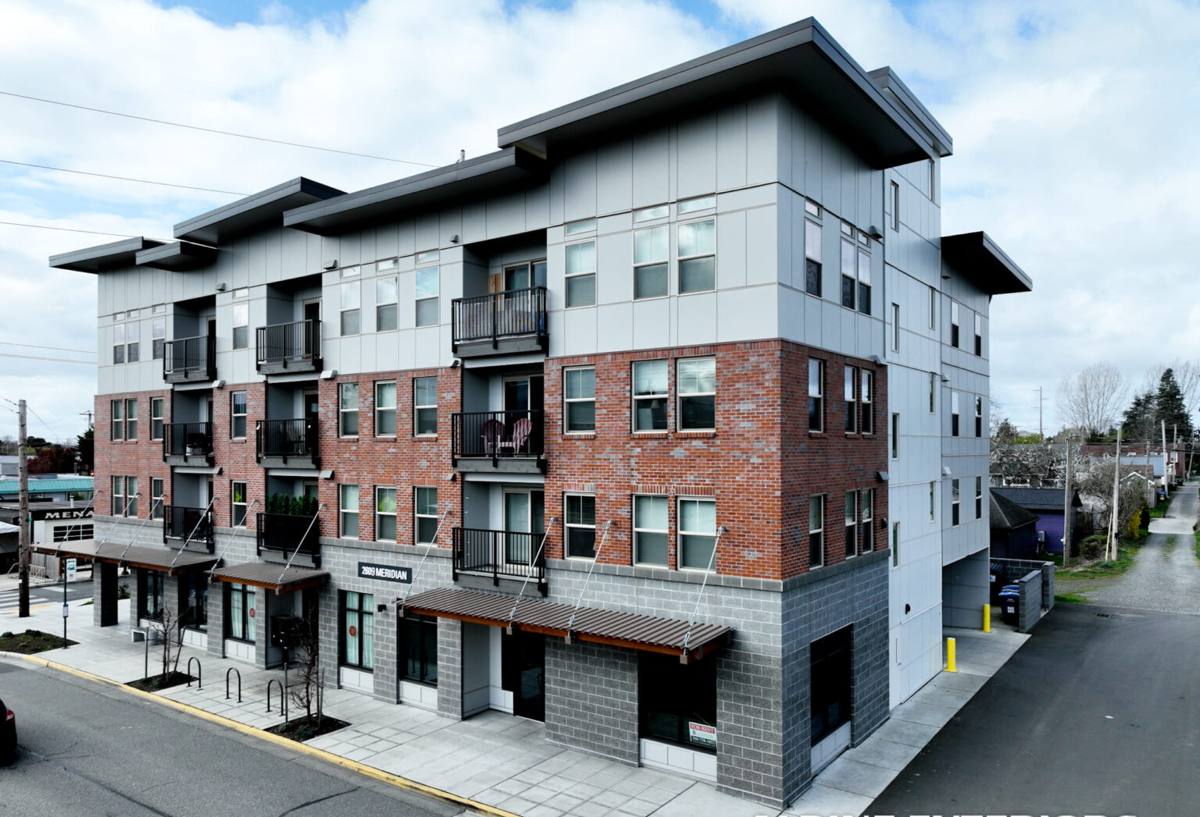
What Salt Air and Driving Rain Actually Do to Siding
Salt air isn't just a nuisance — it's chemically active. Airborne salt settles on exterior surfaces and accelerates corrosion of fasteners, trim, and any metal flashing that isn't properly protected. On siding materials that rely on paint film or factory coatings to keep moisture out, salt-laden moisture finds the smallest gap in that film faster than plain rainwater would, and once it's in, it stays longer because salt is hygroscopic — it actually pulls moisture out of the air.
Driving rain adds a second problem: wind pressure pushes water sideways and upward into laps, seams, and butt joints that were only ever designed to shed water moving straight down. On a west-facing or water-facing wall in Ship Harbor, that means more water is being forced into every seam than the same siding would see on a sheltered, inland elevation.
Where This Shows Up First
- Butt joints and seams where two pieces of siding meet
- Lower courses closest to grade, splash-back, and hardscaping
- North- and west-facing walls that stay shaded and slow to dry
- Areas around window and door trim where flashing does the real work
- Fastener heads and any exposed metal trim
Moss Season and What It's Doing While Nobody's Looking
Skagit County's long, wet moss season is a slower-moving threat than storm exposure, but it matters just as much. Shaded siding that stays damp for weeks at a time is an easy place for moss, algae, and mildew to take hold. On its own, surface growth is mostly cosmetic. The real problem is what it signals: if moss is growing on a wall, that wall is staying wet longer than it should, and materials that swell, delaminate, or soften when saturated are being tested every time that happens.
This is one of the most common reasons Ship Harbor homeowners call us — not because siding has failed outright, but because a shaded elevation is green, streaked, or soft to the touch in spots, and they want to know if it's cosmetic or the early stage of something worse.
Signs Ship Harbor Homeowners Shouldn't Ignore
| What You See | What It Usually Means |
|---|---|
| Soft or spongy spots when pressed | Moisture has gotten behind the siding and is affecting the substrate |
| Persistent moss or algae on one elevation | That wall isn't drying out between rain events |
| Paint that's bubbling, peeling, or chalking early | The coating is failing faster than it should, often from trapped moisture or salt exposure |
| Visible gaps or separation at seams and corners | Movement or swelling has opened joints that were meant to stay tight |
| Rust streaks below fasteners or trim | Fasteners or flashing are corroding, often accelerated by salt air |
Why We Only Install James Hardie Fiber Cement Here
We install James Hardie fiber cement exclusively — no vinyl, no LP SmartSide, no Cemplank or Allura, no primed spruce or cedar. That's a deliberate standard, not a sales pitch, and it matters more in an exposure like Ship Harbor than almost anywhere else in our service area.
Fiber cement doesn't swell, rot, or delaminate the way wood-based products can when they take on repeated moisture, and it isn't prone to the heat-warping or brittleness issues that can affect vinyl. James Hardie backs it with a factory-applied ColorPlus finish that's baked on under controlled conditions rather than field-painted, which gives it more consistent coverage and better resistance to fading and moisture intrusion at the surface. Hardie also engineers specific product lines — its HZ5 formulation — for wetter, more variable climates like ours, which is a meaningful difference from a one-size-fits-all product.
None of this means other materials are junk. Vinyl is inexpensive and low-maintenance in the right setting. Wood has real appeal. But every one of those products asks a homeowner to accept a trade-off — more maintenance, more sensitivity to moisture, a shorter realistic lifespan, or a warranty that's harder to rely on — and in a salt-air, high-rain, long-moss-season location like Ship Harbor, we don't think that trade-off is worth it. Hardie is what we've standardized on because it holds up to exactly the conditions this neighborhood deals with, and it comes with a strong transferable warranty that isn't hedged with exceptions for coastal exposure.
What a Correct Siding Replacement Involves
Tear-Off and What's Underneath
A siding replacement is also a chance to find out what's been happening behind the old siding. We remove the existing material and inspect the sheathing for soft spots, staining, or existing rot before anything new goes up. In a wet climate, installing new siding over a compromised substrate just hides a problem instead of fixing it.
Water-Resistive Barrier
A properly lapped weather-resistive barrier goes on before the siding, giving the wall a second line of defense if any moisture does get past the cladding. In a wind-driven-rain environment like Ship Harbor, this layer isn't optional — it's what keeps a small leak from becoming a structural problem.
Flashing at Every Penetration
Windows, doors, hose bibs, vents, and any other wall penetration need flashing that directs water back out, not into the wall cavity. This is one of the most common places installation quality shows up years later — correct flashing is invisible when it's done right and expensive when it isn't.
Fastening and Fit
James Hardie specifies fastener type, spacing, and clearance for good reason — proper installation is part of what makes the product perform and what keeps the manufacturer's warranty intact. Correct gaps at joints and trim also give the material room to handle normal seasonal movement without stressing the seams.
ColorPlus Finish and Caulking
Where ColorPlus siding is field-cut or fastened, exposed edges get treated correctly rather than left raw, and caulking is used only where it belongs — not as a substitute for proper flashing.
Our Process for Ship Harbor Projects
- On-site inspection focused on your specific exposure — which walls take the most wind and rain, where shade keeps things damp longest
- Straightforward written estimate covering material, tear-off, and any substrate repair we expect to find
- Tear-off and sheathing inspection before a single piece of new siding is ordered or hung
- Weather-resistive barrier and flashing installed to spec at every penetration
- James Hardie fiber cement installed to manufacturer fastening and clearance requirements
- Final walk-through so you know exactly what was done and why
Cost Factors for a Ship Harbor Siding Replacement
| Factor | Why It Affects Price |
|---|---|
| Amount of substrate repair needed | Moisture-damaged sheathing found during tear-off has to be replaced before new siding goes on |
| Home size and wall complexity | More corners, dormers, and trim detail mean more labor and material cuts |
| Siding profile and finish | Lap width, texture, and ColorPlus color selection affect material cost |
| Access and site conditions | Waterfront lots with limited access or steep grades can affect staging and labor time |
| Existing flashing and trim condition | Failing trim or flashing usually needs replacement alongside the siding, not just a patch |
What to Ask Before You Hire
- Do you install James Hardie to the manufacturer's specified fastening and clearance requirements?
- Will you inspect and document sheathing condition before installing new siding?
- How do you handle flashing at windows, doors, and other penetrations?
- What does the written warranty actually cover, and is it transferable if I sell the house?
- Have you worked on homes with similar wind and water exposure before?
Why a Crew That Already Works This Area Matters
Siding installation isn't one-size-fits-all, and a crew that mostly works sheltered, inland neighborhoods can miss details that matter on a waterfront-exposed wall. Knowing which elevations in a place like Ship Harbor take the worst of the wind and rain, how much clearance to leave for a home that will see more moisture cycling, and where flashing needs extra attention isn't something you learn from a manual — it's something you learn from doing the work here, on homes with this exact exposure, in this county's weather.
If your siding is showing wear, staying damp longer than it should, or you're just planning ahead for a home this close to the water, we're happy to take a look and give you a straight answer — whether that's a full replacement, targeted repair, or just a maintenance recommendation. Reach out for a free, no-pressure estimate using the form below.