 Anacortes Siding
 Why West Anacortes Decks Wear Differently
Decks in West Anacortes sit in a tougher spot than most people realize. The combination of salt-laden air off the water, wind-driven rain that gets pushed sideways into framing and fastener holes, and a moss season that can stretch from fall through spring means a deck here ages faster than the same structure would fifty miles inland. Skagit County's marine climate is part of what makes this area beautiful, but it's hard on wood, hardware, and even the concrete or post footings underneath a deck.
We've repaired decks all over West Anacortes and the surrounding neighborhoods, and the failure patterns are consistent. It's rarely one dramatic problem. It's usually a handful of small ones — a soft board here, a rusted fastener there, a ledger connection that's held moisture for a few winters too long — that add up to a deck that no longer feels solid underfoot.
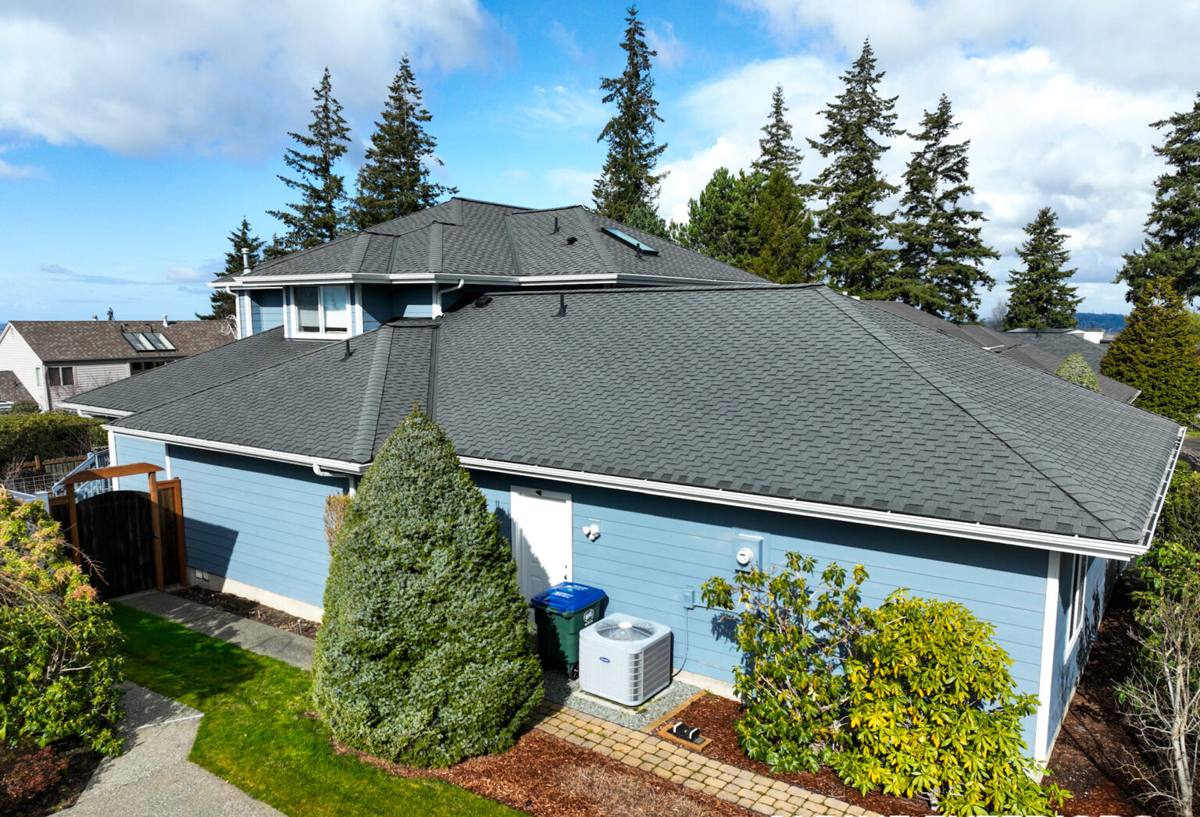
What Salt Air, Rain, and Moss Actually Do to a Deck
Salt Air and Metal Fatigue
Salt in the air accelerates corrosion on anything metal — nails, screws, joist hangers, bolts, and ledger flashing. Corroded fasteners lose their grip strength long before they look obviously rusted from the top. This is one reason a deck that "looks fine" from a walk-around can still have real structural weakness where it counts.
Driving Rain and Water Intrusion
Wind-driven rain doesn't just fall straight down here — it gets pushed into gaps, under railings, and behind ledger boards where the deck attaches to the house. Once water gets behind a ledger or under decking without a way to drain and dry out, rot sets in from the inside, which is exactly why so many deck problems are worse than they first appear.
Moss and Prolonged Dampness
Moss doesn't just make a deck slippery and unattractive. It holds moisture directly against wood or composite decking for weeks at a time, which slows drying and accelerates decay underneath. On shaded sections of a deck, or areas near landscaping and trees, moss buildup is often the earliest visible sign that a deck isn't shedding water the way it should.
Signs a Deck Needs Repair — Not Just Cleaning
A pressure wash can make a tired deck look better without fixing anything structural. Here's what actually signals a repair is needed:
- Boards that feel spongy, bouncy, or soft when you walk on them
- Visible gaps, cracks, or splitting near fastener locations
- Rust streaks below screws, nails, or joist hangers
- A railing or post that wiggles more than it did last year
- Persistent moss or algae that returns within weeks of cleaning
- Discoloration or staining where the deck meets the house (a common sign of ledger moisture)
- Stairs that feel less solid, especially near the base where splashback collects
Any one of these on its own might be minor. Several together usually mean moisture has been working on the structure for a while.
What a Correct Deck Repair Actually Involves
A repair that's done right starts below the surface, not at the decking boards. Here's the order we work in and why it matters:
1. Structural Assessment First
Before replacing a single board, we check the framing: ledger attachment, joists, beams, posts, and footings. Surface repairs on top of a compromised structure just hide the real problem and shorten the life of the fix.
2. Ledger and Flashing Inspection
The ledger board — where the deck attaches to the house — is the single most common source of hidden rot in this climate. We check for proper flashing, gaps that let water track behind the board, and any signs the connection has been absorbing moisture over multiple seasons.
3. Fastener and Hardware Evaluation
Given how quickly salt air degrades standard hardware, we look closely at joist hangers, bolts, and structural screws — not just for rust, but for whether they're still rated for the load they're carrying.
4. Board-Level Repair or Replacement
Only after the structure and connections are confirmed sound do we address the decking surface itself — replacing rotted or split boards, resetting loose ones, and correcting any spacing that's trapping water instead of shedding it.
5. Drainage and Airflow Correction
A repair isn't finished if the deck will just fail the same way again. Where we can, we improve drainage paths and airflow underneath the deck so moisture doesn't sit against framing the way it may have been for years.
Repair vs. Replacement: How We Help You Decide
Not every deck problem calls for a full rebuild, but not every deck is worth patching either. This is one of the most common questions homeowners in West Anacortes ask us, and the honest answer depends on where the damage is concentrated.
| Factor | Favors Repair | Favors Replacement |
|---|---|---|
| Structural framing | Solid, dry, no rot found | Rot at ledger, beams, or multiple joists |
| Age of deck | Under 15 years, well-built originally | Original construction is older or was built to lower standards |
| Extent of surface damage | Isolated boards or fasteners | Widespread soft spots or splitting across the deck |
| Footings and posts | Stable, no movement or shifting | Settling, cracking, or undersized footings |
| Long-term plans | Staying put, want to extend deck life affordably | Want a different layout, size, or material |
We'll give you a straight answer either way. If a repair genuinely gets you several more solid years, we'll say so. If the framing is compromised in a way that makes repair a short-term fix, we'll explain exactly why and what a rebuild would involve.
Decking Material Considerations for This Climate
When we're replacing boards during a repair, material choice matters more here than in drier inland climates. Pressure-treated lumber is affordable and widely used, but it needs consistent maintenance — sealing and staining on a regular cycle — to keep performing against constant moisture and moss exposure. Composite decking costs more upfront but resists moisture absorption and doesn't need refinishing, which is a real advantage given how much this area's dampness shortens the maintenance-free window on untreated or unsealed wood.
We don't push one material as universally "better." The right call depends on your budget, how much upkeep you want to commit to, and whether you're repairing a section of an existing wood deck (where matching material usually makes sense) or open to mixing materials where it makes practical sense.
Our Repair Process, Step by Step
- Free on-site assessment — we walk the full deck, not just the area you're worried about
- Straight explanation of what we find, including anything below the surface
- A clear repair scope and honest price range before any work starts
- Structural and hardware corrections first, surface repairs second
- Drainage and moisture-path improvements where they'll actually help
- Final walkthrough so you know what was done and what to watch going forward
We don't upsell repairs into replacements to pad a job, and we don't patch over problems that will just resurface next winter. If a small fix is the right call, that's what we recommend.
Maintenance That Extends a Repair's Lifespan
A good repair lasts longer when it's paired with a bit of seasonal upkeep — especially in a moss-prone, salt-air environment like West Anacortes.
- Clear leaves and debris from between boards before fall rains set in
- Treat moss growth early rather than letting it establish over winter
- Check fasteners and hardware for early rust once a year
- Keep gutters and downspouts near the deck clear so runoff isn't draining onto it
- Reseal or restain wood decking on the manufacturer's recommended cycle, not "when it looks bad"
- Watch the ledger connection area for staining or discoloration after heavy storms
Why a Crew That Works West Anacortes Regularly Matters
Deck repair isn't one-size-fits-all, and a contractor who mostly works drier, inland areas may not think to check the things that fail first here — ledger flashing, fastener corrosion, and moisture trapped by moss. Working West Anacortes and the rest of Anacortes and Skagit County regularly means we've seen how this specific climate ages decks over years, not just what a deck looks like on a single dry-weather inspection day. That experience shapes where we look first and what we flag before it becomes a bigger repair.
If your deck feels off — soft in spots, a little loose, or just older than it used to feel underfoot — we're happy to take a look. The estimate is free, there's no pressure, and you'll get a straight answer about whether you're looking at a repair, a bigger project, or nothing urgent at all. Reach out using the form below to schedule a visit.