 Anacortes Siding
 New Roof Installation for Bow Homes
Bow sits close enough to Samish Bay and the surrounding tidelands that salt-laden air is a daily fact of life for anything on your roof. Add in Skagit County's long wet season and the shade cover that comes with the area's tree lines, and you've got a climate that's genuinely harder on roofing than most manufacturers' warranty language accounts for. A new roof installation here isn't just about picking a shingle color — it's about building a roof system that can shed constant moisture, resist corrosion, and stay clean enough that moss doesn't get a foothold for years at a time.
This page covers what a correct new roof installation looks like specifically for Bow properties: the conditions your roof actually faces, what a properly built roof system includes, how our process works from estimate to final walkthrough, and why it matters to hire a crew that already knows this stretch of Skagit County.
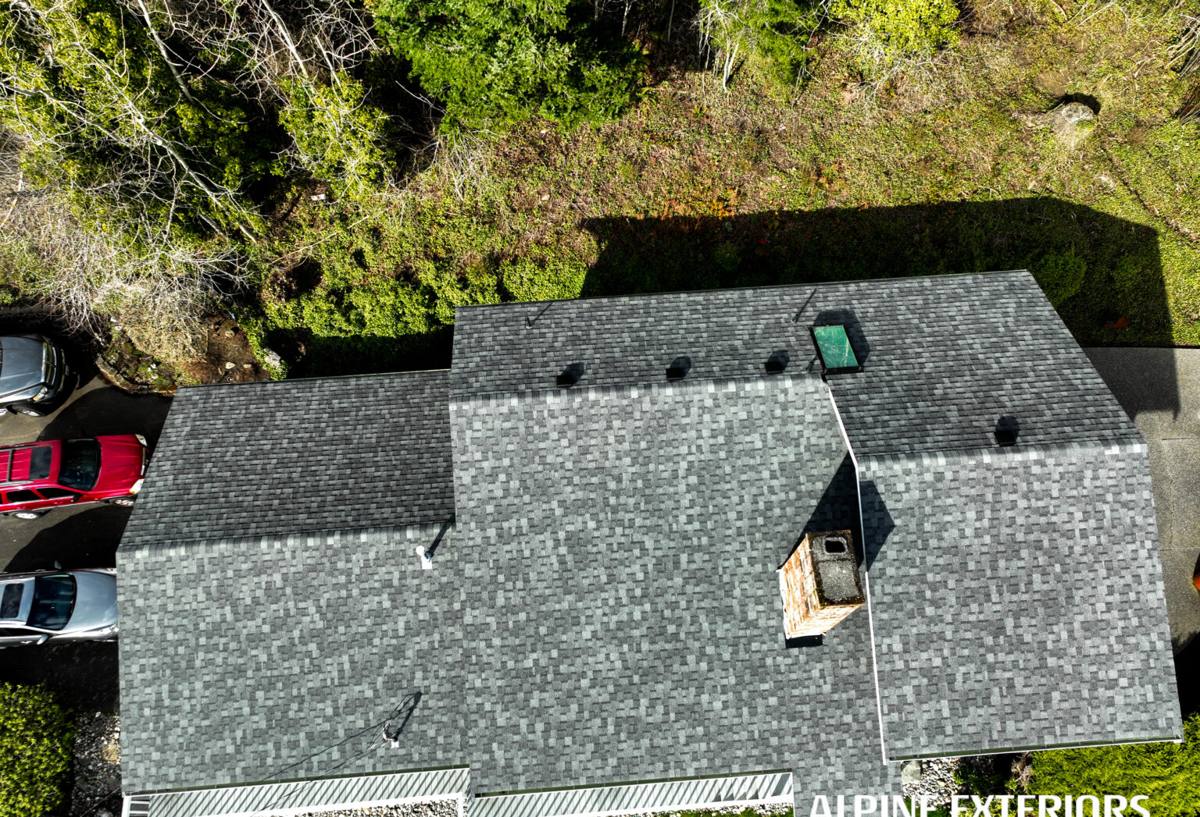
What Bow's Climate Does to a Roof
Salt Air and Metal Fatigue
Homes closer to the water pick up airborne salt that settles on roofing metal — flashing, drip edge, vent caps, nail heads — and accelerates corrosion over time. Standard galvanized fasteners and thin-gauge flashing that might hold up fine 20 miles inland can start showing rust streaks and pitting years earlier out here. It's not dramatic, but it's steady, and it's the kind of thing that turns into a leak at a flashing seam long before the shingles themselves are worn out.
Driving Rain and Wind-Driven Water
Skagit County storms don't just drop rain straight down — wind off the water pushes it sideways, up under laps, and into any gap that a fair-weather installation would never expose. That means underlayment coverage, proper shingle nailing patterns, and sealed penetrations matter more here than they would in a drier climate. A roof that's "good enough" for a calm afternoon can still leak during a January blow.
Moss and the Long Wet Season
Bow gets shaded lots, moisture that lingers for months, and the organic debris that comes with mature trees. That combination is exactly what moss needs to establish itself on a roof surface. Once moss takes hold, it holds water against the shingle mat, lifts tabs, and works its way toward the deck — turning a cosmetic nuisance into a structural problem if it's ignored for a few seasons.
What a Correctly Built Roof System Includes
A new roof is a system, not just a layer of shingles. For a Bow home, every layer below the surface material earns its place:
- Deck inspection and repair — any soft, delaminated, or water-stained sheathing gets replaced before anything new goes down.
- Ice and water shield at eaves, valleys, and around penetrations, where wind-driven rain is most likely to find a way in.
- Synthetic underlayment across the full deck for a consistent moisture barrier, rather than relying on the shingles alone.
- Corrosion-resistant flashing and fasteners at chimneys, walls, skylights, and valleys, sized for the salt exposure common closer to the bay.
- Balanced attic ventilation (intake at the eaves, exhaust at the ridge) to keep moisture from condensing in the attic and shortening the roof's life from underneath.
- Proper shingle nailing pattern matched to the manufacturer's high-wind specification, not just the minimum code requirement.
Skip any one of these and you haven't saved money — you've just moved the cost of a failure a few years down the road.
Roofing Material Options for This Area
Most Bow homeowners land on one of a few practical options. Each has real trade-offs worth understanding before you commit.
| Material | Moisture & Moss Behavior | Salt Air Durability | Typical Lifespan |
|---|---|---|---|
| Architectural asphalt shingle | Good with proper ventilation; algae-resistant granules help slow moss/moisture staining | Good when paired with corrosion-resistant flashing | 25–30 years |
| Standing seam metal | Excellent — sheds water fast, nothing for moss to grip | Requires a coated, marine-grade finish near the water | 40–50+ years |
| Wood shake | Poor in this climate without heavy upkeep — holds moisture, feeds moss growth | Fasteners corrode faster; frequent treatment needed | 15–25 years with maintenance |
| Synthetic composite shingle | Very good — engineered to resist moisture absorption | Good; check fastener spec | 30–50 years |
We don't install wood shake as a standard offering. It's not that the material is without merit in a drier region — it's that in a climate with this much sustained moisture and moss pressure, keeping it performing well requires maintenance most homeowners don't want to sign up for, and we'd rather set honest expectations up front than sell a product that needs constant babysitting to avoid problems.
Our Process, Start to Finish
1. On-Site Assessment
We walk the roof (not just the ground) to check deck condition, flashing points, ventilation, and any signs of existing moisture damage or moss buildup. We'll also look at how the house sits relative to tree cover and prevailing wind, since that affects both material choice and detailing.
2. Written Estimate
You get a clear scope of work — materials, underlayment system, flashing approach, ventilation plan, and a straightforward cost breakdown. No pressure to decide on the spot.
3. Tear-Off and Deck Repair
Old roofing comes off down to the deck so we can actually see what's underneath rather than roofing over hidden problems. Any damaged sheathing is replaced before the new system goes on.
4. Underlayment and Flashing
This is where most of the long-term water resistance actually comes from. We install ice and water shield at vulnerable areas, synthetic underlayment across the field, and new flashing sized for this climate's corrosion exposure.
5. Roofing Material Installation
Shingles or panels go down per manufacturer spec, with attention to nailing pattern, exposure, and alignment — the details that determine whether the roof holds up in a real Skagit County windstorm, not just a mild one.
6. Ventilation Check and Final Walkthrough
We confirm intake and exhaust ventilation is balanced, clean up the site, and walk the finished roof with you so you know what was done and why.
Signs a Bow Home Needs a New Roof (Not Just Repairs)
- Granule loss heavy enough that you're finding shingle grit in the gutters regularly
- Soft spots or sagging visible from the ground or attic
- Daylight visible through the roof deck from inside the attic
- Moss growth that returns within a season or two of cleaning, indicating the shingles are already holding moisture
- Multiple past repairs in different spots rather than one contained problem area
- Roof age past 20–25 years for asphalt shingle in this climate, even if it looks intact from the street
If you're only seeing one or two of these, a repair may still make sense. If you're seeing several at once, a repair is usually just delaying the same decision.
Why It Matters to Hire a Crew That Works Bow
Roofing crews that mostly work drier, inland areas sometimes under-spec flashing and underlayment because it's never failed them where they usually work. That doesn't hold up the same way once you're dealing with Skagit County's combination of salt air, sustained rain, and shaded, moss-prone lots. A crew that regularly works Bow and the surrounding Anacortes area already knows which details matter here — where wind-driven rain actually gets in, which fastener grade holds up near the water, and how much ventilation a shaded roof actually needs to keep moisture from building up underneath.
That local familiarity isn't a marketing line — it shows up in fewer callbacks, fewer surprise leaks two winters in, and a roof that's still doing its job well past the point a cut-corner installation would have started failing.
What to Expect on Cost
New roof installation costs vary based on roof size, pitch, tear-off complexity, decking condition, and material choice. Rather than quote a number that won't reflect your actual roof, we provide a detailed written estimate after the on-site assessment, broken down by material and labor so you can see exactly what you're paying for and why — including any additional cost for the corrosion-resistant flashing and fasteners we use standard in this area.
Get a Free, No-Pressure Estimate
If your roof is showing its age, holding onto moss it didn't used to, or you're just planning ahead, we're happy to come take a look. There's no obligation and no sales pressure — just a straightforward assessment of what your roof actually needs. Use the form below to request your free estimate for new roof installation in Bow.