 Anacortes Siding
 Roof Repair in Conway: What Local Homes Are Up Against
Conway sits low in the Skagit Valley, close to the river delta and not far from the salt air rolling in off Puget Sound. That combination is hard on roofs. Homes here deal with long stretches of driving rain, heavy morning dew, low winter sun that never quite dries the north-facing slopes, and a moss season that can run from fall through spring. A roof that would hold up fine in a drier inland climate can develop real problems here in half the time if it isn't built and maintained with this specific weather in mind.
We repair roofs in Conway and the surrounding Anacortes and Skagit County area regularly, which means we're not guessing at what's causing a leak or a soft spot — we've usually seen the same failure pattern on a house a few miles away. That local pattern recognition is a big part of what makes a repair actually fix the problem instead of just patching the symptom.
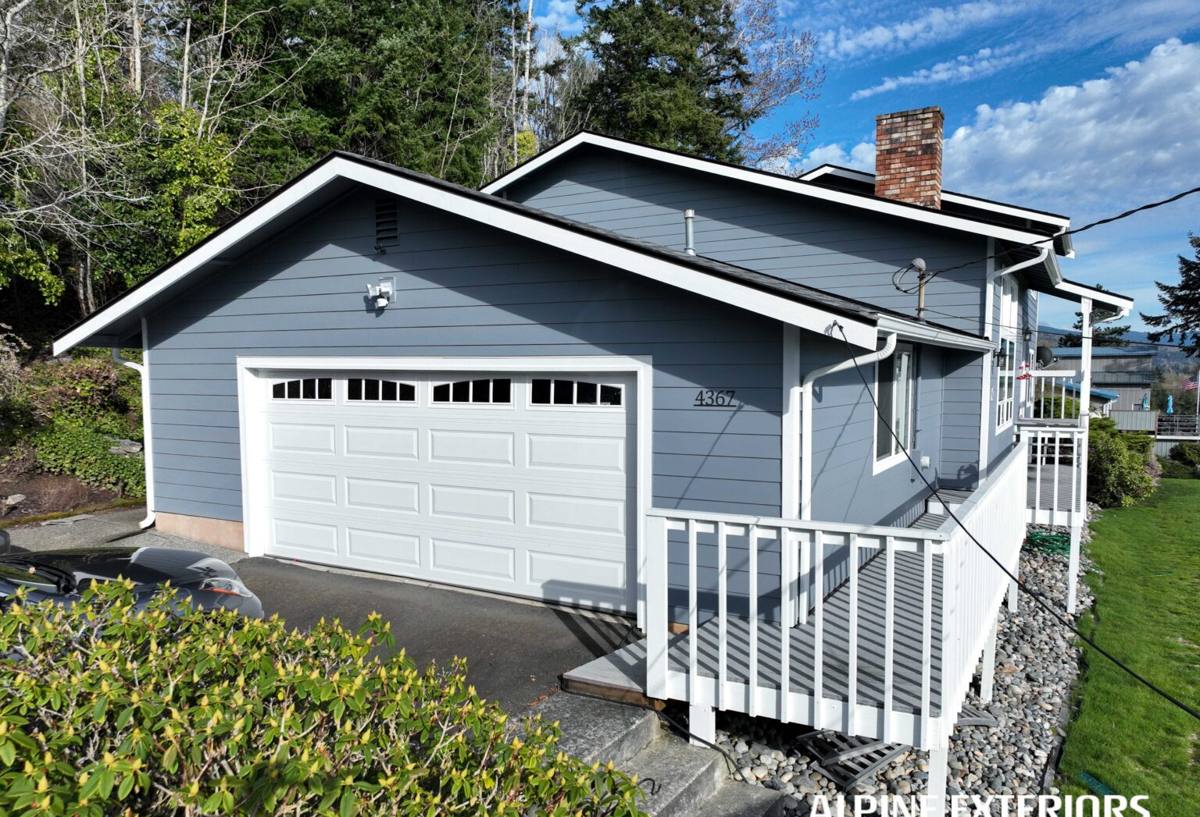
Signs Your Conway Roof Needs Repair, Not Replacement
Most roof problems don't start as a hole. They start small, and a repair at that stage is a fraction of the cost of waiting until water has worked its way into the decking, insulation, or framing. Watch for:
- Dark streaks or green-black patches on shingles, especially on shaded or north-facing slopes
- Granules collecting in gutters or at downspout outlets
- Curling, lifting, or cracked shingle edges
- Soft or spongy spots when walking the roof during an inspection
- Water stains on ceilings or in the attic, even faint ones
- Daylight visible through the roof deck from inside the attic
- Rusted or lifted flashing around chimneys, vents, and skylights
- Sagging along the ridge line or roof edges
Any one of these can usually be addressed with a targeted repair if it's caught early. Left alone through another wet Skagit County winter, several of them turn into a full section replacement — or worse, interior damage that has nothing to do with the roofing budget you originally planned for.
Moss, Moisture, and Salt Air: The Skagit County Roof Aging Curve
Moss
Moss doesn't just look bad — it holds moisture directly against the roofing material, and on shingle roofs it can work its way under tabs and lift them, giving wind-driven rain a place to get in. Once moss establishes on a shady or moisture-prone slope, it tends to come back every year unless the roof gets cleared and treated on a regular schedule.
Driving rain
This region doesn't just get rain, it gets rain pushed sideways by wind off the Sound and the valley. That matters for repair work because flashing details, underlayment laps, and fastener patterns that would be adequate in calmer climates aren't always enough here. A repair has to account for wind-driven water finding the smallest gap.
Salt air
Being close to Puget Sound means metal components — flashing, fasteners, vent caps, gutter hardware — corrode faster than they would further inland. We pay attention to what metals and coatings we use in a repair for exactly this reason, since the wrong fastener can start failing years before the rest of the roof does.
Together, these three factors mean roofs in Conway age differently than roofs in drier parts of the state. A roof that's ten or fifteen years old here can already need attention that a similar roof elsewhere wouldn't need for another decade.
What a Correct Roof Repair Actually Involves
A roof repair done right isn't just swapping a few shingles and calling it finished. Our approach on a Conway repair typically includes:
- Full inspection, not just the reported problem area. A leak inside the house often shows up several feet from where the water is actually entering the roof, so we trace it back to the real source.
- Checking the roof deck. If water has been getting in for a while, the plywood or OSB underneath may be soft or delaminated and needs to be replaced before new roofing goes down — patching over damaged decking just hides the problem.
- Flashing review. Chimneys, skylights, vent pipes, and roof-to-wall transitions are the most common leak points on any roof, and they're often the actual cause even when the shingles nearby look fine.
- Matching materials appropriately. We use compatible shingle types, weights, and colors so a repair blends in rather than creating an obvious patch, and so it performs the same as the surrounding roof.
- Underlayment and fastening details built for wind-driven rain, not just a standard nailing pattern.
- Cleanup. Old materials, nails, and debris get cleared from the roof, gutters, and yard before we consider the job done.
Our Process From Inspection to Cleanup
We keep the process straightforward because most homeowners just want the leak stopped and their roof back to normal without a lot of back-and-forth.
1. Inspection and honest assessment
We walk the roof and the attic when accessible, identify the actual source of the problem, and tell you plainly whether it's a repair situation or something that's crossed into replacement territory. We don't inflate a small repair into a bigger job.
2. Written scope and estimate
You get a clear description of what we found, what we're going to do about it, and what it costs — no vague line items.
3. The repair itself
Depending on scope, most Conway roof repairs are completed in a single day. We work around the weather window, since we're not going to install roofing materials in the middle of a driving rainstorm — that's exactly the kind of shortcut that causes the next leak.
4. Final walkthrough
We show you what was done and what to keep an eye on, especially if the repair addressed one problem area on an older roof that may need attention elsewhere down the road.
Roofing Materials We Work With
The right repair approach depends partly on what's already on the roof. Here's how the common options in this area compare for repair and long-term maintenance:
| Material | Repair Considerations in Conway's Climate | Typical Maintenance Need |
|---|---|---|
| Asphalt composition shingle | Most common; individual shingles or sections can be replaced cleanly if matched well; moss and granule loss are the main issues to watch | Moss treatment and gutter clearing at least annually |
| Architectural/dimensional shingle | Heavier and more wind-resistant than standard three-tab; repairs need matching profile and color batch | Similar to standard shingle, slightly better wind performance |
| Metal roofing | Repairs focus on fastener backouts, seam sealant, and panel damage; salt air makes fastener and flashing metal choice important | Periodic fastener and seam check; less prone to moss |
| Cedar shake | Repairs require matching aged wood tone and thickness; more sensitive to moisture retention and moss in shaded areas | More frequent moss and moisture monitoring than shingle or metal |
Whatever is currently on your roof, we repair it using materials and methods suited to that system rather than a one-size-fits-all patch.
Repair vs. Replacement: How We Help You Decide
Not every roof problem needs a full replacement, and not every roof can be reasonably patched forever. A few honest factors we walk through with homeowners:
- Age of the roof. A repair on a roof with years of life left makes sense. A repair on a roof already near the end of its expected lifespan may just be delaying an unavoidable replacement.
- Extent of the damage. One damaged slope or a single flashing failure is a repair. Widespread granule loss, multiple leak points, or deck damage in several areas points toward replacement.
- How the roof has been maintained. A roof that's had regular moss treatment and gutter care generally has more life left than one that's been neglected, even at the same age.
- Your timeline. Sometimes a solid repair now, paired with a plan for replacement in a few years, is the financially sensible move — and we'll say so plainly if that's the situation.
Maintenance Checklist to Extend Roof Life
Between repairs, a little regular attention goes a long way in this climate. We recommend Conway homeowners keep up with:
- Clearing gutters and downspouts at least twice a year, more often under overhanging trees
- Treating or removing moss before it spreads across a full slope
- Trimming back branches that keep shaded roof sections damp
- Checking attic ventilation — poor airflow traps moisture and accelerates deck rot from the inside
- Having flashing and roof penetrations inspected every couple of years, since these are the first points to fail
- Addressing small leaks immediately rather than waiting for a dry season "later"
Why Hire a Crew That Already Works Conway
Roofing crews unfamiliar with this specific stretch of Skagit County sometimes underestimate what the local weather does to a roof over time, or apply repair methods that work fine in drier climates but don't hold up here. We work in and around Conway and Anacortes regularly, so we know what moss patterns to expect on which roof orientations, how wind-driven rain typically finds its way in around local flashing details, and what fastener and material choices actually last near the salt air coming off the Sound. That familiarity means fewer surprises during the inspection and a repair that's built for the conditions your roof actually faces, not generic conditions.
Get a Straightforward Look at Your Roof
If you're seeing moss buildup, a stain on the ceiling, or just want a roof that's a few years old checked before the next round of Skagit County rain, we're happy to take a look. Reach out for a free, no-pressure estimate using the form below — we'll give you a straight answer about what your roof needs and what it will cost to fix it right.