 Anacortes Siding
 Windows in Cap Sante Work Harder Than Windows Inland
Cap Sante sits close to the water, and that changes what a window has to deal with every single day. Salt-laden air corrodes hardware and finishes faster than it would a few miles inland. Wind off Fidalgo Bay drives rain sideways into wall assemblies and window frames instead of letting it run straight down. And Skagit County's long, damp shoulder seasons keep moisture sitting against exterior surfaces for months at a time, which is exactly the environment where moss, mildew, and slow-motion seal failure take hold. A window that's rated fine for a dry climate can still underperform here if it wasn't chosen and installed with this specific exposure in mind.
For homeowners in this part of Anacortes, "energy-efficient windows" isn't just about a lower heating bill, though that matters. It's about keeping moisture out of the wall cavity, keeping seals intact through repeated wet-dry cycles, and keeping hardware from seizing up or corroding within a few winters. Get those things right and the energy savings follow. Get them wrong and you're dealing with fogged glass, drafts, or worse, hidden rot, well before the window's rated lifespan is up.
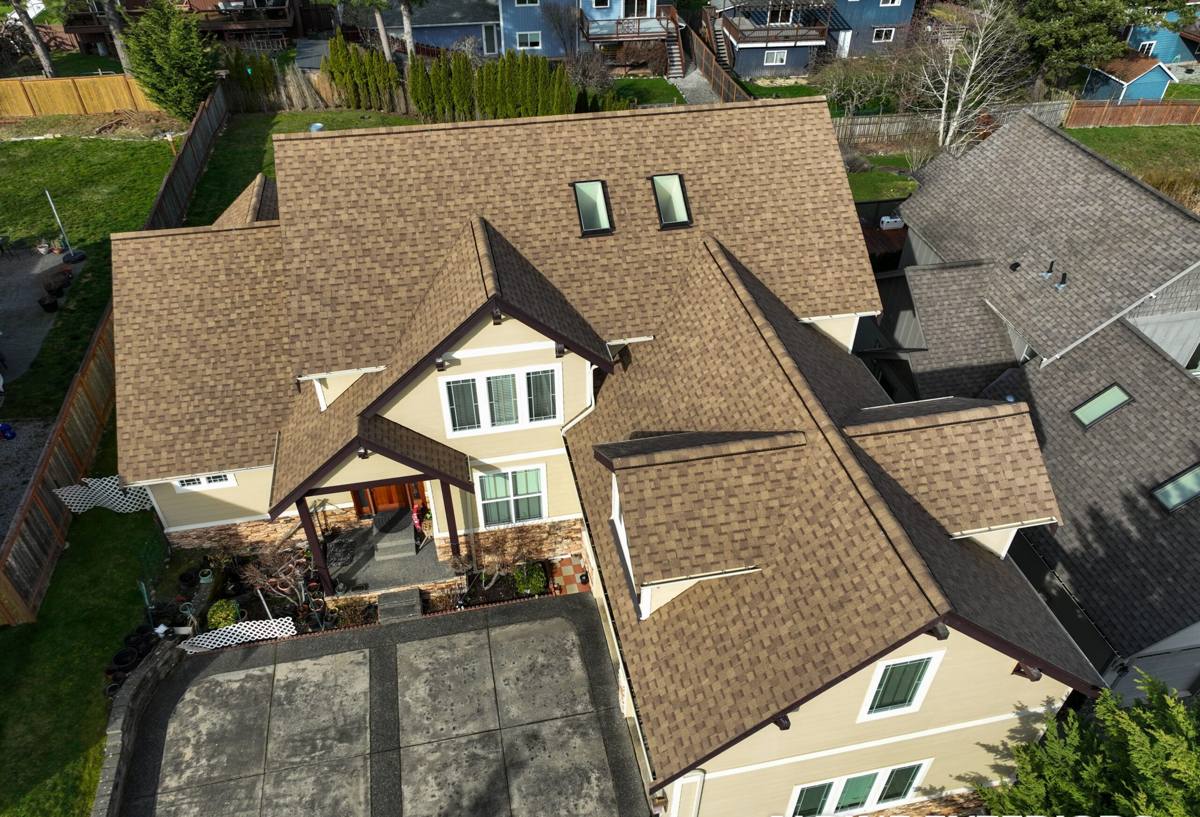
What "Correct" Actually Means for This Climate
Frame Material and Finish
Vinyl and fiberglass frames generally hold up better than bare aluminum in a marine environment because they don't corrode and they resist the salt film that builds up on anything metal near the water. If a project calls for aluminum-clad or metal components, we look for finishes and hardware rated for coastal exposure rather than a standard interior-grade spec. This isn't a brand judgment call — it's about matching the material to the environment it'll actually sit in for the next 20-plus years.
Glazing and Seals
Double-pane, low-E glass is the baseline for this area. The bigger factor for longevity, though, is the quality of the seal around the insulated glass unit and how well the installer protects that seal during handling and setup. A seal that's nicked, over-compressed, or exposed to trapped moisture during install will fail years before it should, and once it does, you get fogging between the panes that no amount of cleaning fixes.
Flashing and Water Management
This is the part that separates a window that lasts from one that causes a callback. In a wind-driven-rain climate like Cap Sante's, the flashing detail around the window opening — head flashing, sill pan, and how the window ties into the weather-resistive barrier — matters as much as the window itself. We treat this as a non-negotiable step, not an add-on, because a great window installed with sloppy flashing will still leak.
Signs Your Current Windows Are Losing the Fight
- Visible fog or moisture trapped between glass panes
- Drafts you can feel near the frame, especially during wind events off the bay
- Hardware (locks, cranks, hinges) that's stiff, corroded, or won't fully latch
- Soft or discolored trim, sill, or wall material around the window opening
- Visible moss or dark staining building up on the exterior casing
- Noticeably higher heating costs compared to similar-sized rooms with newer windows
- Condensation forming on the inside of the glass during cold, damp stretches
Any one of these on its own isn't necessarily an emergency, but a few of them together, especially moisture-related ones, usually mean the window or its surrounding flashing has been compromised for a while.
Our Process for Cap Sante Homes
1. On-Site Assessment
We look at more than just the glass. That includes checking the condition of the trim, sheathing, and flashing around each opening, since a window replacement is also a chance to catch and fix water intrusion issues before they get covered back up.
2. Product Selection Based on Exposure
Not every window on a house needs the same spec. A window facing the prevailing wind and rain off the water may warrant a different glass package, frame material, or hardware finish than one on a sheltered elevation. We walk through those trade-offs with you rather than defaulting to one product for the whole house.
3. Removal Without Collateral Damage
Careful removal protects the surrounding siding and trim, which matters more here than in drier climates because any gap left exposed, even for a short time, is an opportunity for wind-driven rain to get behind the wall.
4. Correct Flashing and Sealing, Every Time
This is where most window failures actually originate, not in the window itself. We install sill pans, properly lap head flashing over the water-resistive barrier, and use sealants and tapes rated for the temperature and moisture swings this area sees.
5. Final Check and Cleanup
We test operation, confirm weatherstripping and hardware function properly, and leave the site clean. We also point out anything else we noticed during the job, like early moss growth or a trim board that's starting to soften, so you have the full picture, not just a new window and a surprise later.
Comparing Common Window Options for a Coastal Property
| Factor | Vinyl | Fiberglass | Aluminum-Clad Wood |
|---|---|---|---|
| Corrosion resistance near salt air | High | High | Moderate — depends on cladding/finish quality |
| Maintenance | Low | Low | Higher — wood interior needs periodic attention |
| Upfront cost | Lower | Mid to higher | Higher |
| Typical lifespan with proper install | 20-30+ years | 30+ years | 25-30+ years, warranty-dependent |
| Best fit | Most exposures, budget-conscious projects | High-exposure walls, long-term durability priority | Homes prioritizing a wood interior look |
These are general trade-offs, not a recommendation for every situation — the right call depends on the specific wall, elevation, and budget, which is exactly what the on-site assessment is for.
Cost Factors Homeowners Should Understand
Window project pricing swings widely based on a handful of factors, and it's worth understanding them before you're comparing quotes:
- Number of openings and whether it's a full-house project or a few problem windows
- Frame material — vinyl, fiberglass, and clad-wood carry different price points
- Glass package — standard double-pane low-E versus upgraded coatings or gas fills
- Condition of the existing opening — if there's hidden rot or damaged sheathing, repair adds to the scope
- Exposure and elevation — a window on the water-facing side may need a more robust flashing detail than a sheltered one
- Access and existing trim work — matching or rebuilding exterior trim adds labor
We give straightforward, itemized estimates so you can see where the cost is actually coming from rather than one lump number.
Why Local Experience in Cap Sante Matters
A crew that's worked windows and siding throughout Anacortes and Skagit County knows which elevations in this neighborhood take the brunt of the weather off the water, which older homes tend to have flashing details that need extra attention, and how long moisture can sit against a wall during a typical Pacific Northwest fall and winter. That's not something you can fully substitute with a generic install checklist. It shows up in small decisions — how much lap to give a head flashing, which sealant holds up through repeated wet cycles, when to recommend a sill pan repair versus a full reframe — and those small decisions are what determine whether a window lasts 10 years or 25.
We also stand behind the work with clear warranty terms on both materials and labor, and we're straightforward about maintenance: even a well-installed window in this climate benefits from periodic checks of caulking, weatherstripping, and hardware, and we'll tell you what to watch for so small issues don't turn into bigger ones.
Maintaining Your Investment After Installation
New windows aren't fully "set and forget" in a marine climate. A little seasonal attention goes a long way:
- Rinse salt film off exterior frames and glass periodically, especially after storms
- Check and clear weep holes so water can drain out rather than pool
- Inspect exterior caulking annually and touch up before gaps widen
- Lubricate hardware if it starts to feel stiff, rather than forcing it
- Watch for early moss or algae on sills and trim and clean it off before it holds moisture against the surface
None of this is difficult, but skipping it is how a good installation ends up with avoidable problems years down the road.
Ready to Talk Through Your Windows?
If you're noticing drafts, fogged glass, or moisture issues on your Cap Sante home, or you're just planning ahead for a replacement, we're happy to take a look and walk you through honest options for your specific exposure. Reach out for a free, no-pressure estimate using the form below.