 Anacortes Siding
 Storm Damage Roof Repair Built for Guemes Island
Guemes Island sits out in open water off Anacortes, which means it takes weather straight on. Homes here don't get the same wind buffering that inland Skagit County properties get from tree lines and terrain. When a winter storm rolls through the San Juans, Guemes roofs are often the first to show damage — lifted shingles, torn ridge caps, or a skylight flashing that finally gave up after years of salt air and driving rain. If you own property on the island, you already know your roof works harder than most.
This page covers what storm damage roof repair actually looks like for Guemes Island homes specifically — not a generic "we fix roofs" pitch, but the real considerations that come with island exposure, ferry-dependent scheduling, and a wet, moss-friendly climate that never really gives a roof a break.
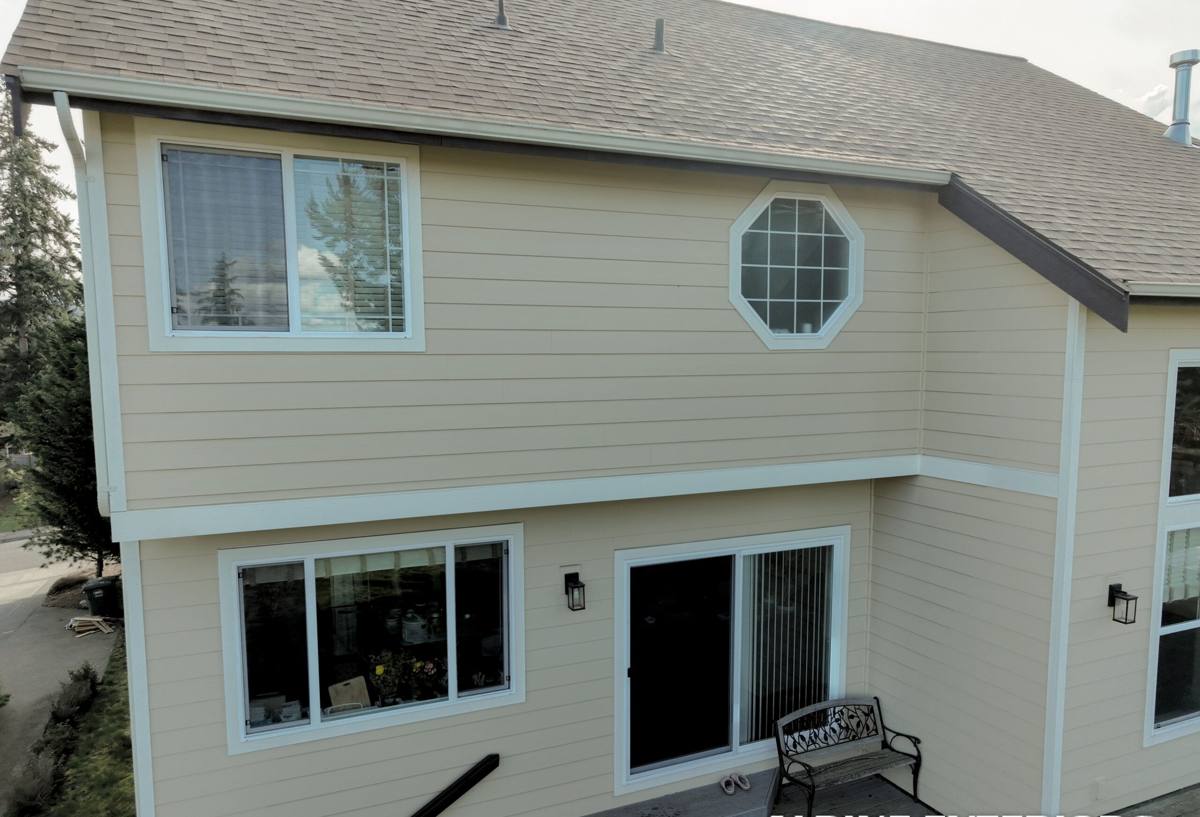
Why Guemes Island Roofs Take More Damage
A few things stack up against roofs out here that don't hit the same way in town:
- Wind exposure: Open water on multiple sides means fewer natural windbreaks. Gusts that just rattle windows in downtown Anacortes can pull shingles or panels loose on an unshielded Guemes roofline.
- Salt air corrosion: Metal flashing, fasteners, and gutter hardware corrode faster this close to saltwater. A fastener that would last 20 years elsewhere in Skagit County can weaken well before that on the island.
- Driving rain: Storms here often come with sideways rain, not just straight-down rain. That pushes water up under laps and flashing that would shed a vertical downpour just fine.
- Moss season: The long wet stretch from fall through spring keeps north-facing and shaded roof sections damp for months at a time, which is exactly what moss needs to take hold and start lifting shingle edges.
None of this means Guemes roofs are poorly built — it means they need repair work that accounts for these conditions instead of a generic patch job.
What Counts as Storm Damage (and What Doesn't)
Not every roof issue after a storm is actually storm damage, and it matters for both the repair approach and any insurance conversation you might have.
Common Storm Damage We See on the Island
- Shingles lifted, cracked, or blown off entirely, usually on exposed corners and ridgelines
- Flashing pulled away from chimneys, skylights, or wall intersections
- Gutters torn loose or downspouts disconnected by wind load
- Punctures or dents from wind-driven debris, especially near tree lines
- Ridge cap failure where wind gets underneath and works caps loose over multiple storms
What's Often Mistaken for Storm Damage
- Moss-related shingle lift that's been building for seasons, not caused by one storm
- Age-related granule loss on an older roof nearing the end of its service life
- Pre-existing flashing gaps that a storm simply exposed rather than caused
We tell you honestly which category your damage falls into. If it's a maintenance issue rather than storm damage, that changes how we recommend handling it — and it's information you need if you're filing a claim.
What a Correct Repair Actually Involves
A rushed storm repair is one of the most common reasons a homeowner ends up calling again in six months. Doing it right on a Guemes Island roof means a few non-negotiables:
1. Full Roof Assessment, Not Just the Obvious Spot
Wind damage rarely stays where you can see it from the ground. We check the whole roof plane — not just the missing shingles you noticed — because a storm strong enough to tear one section loose usually loosened fasteners nearby that haven't failed yet.
2. Matching Materials and Fastener Grade
Given the salt air, we use corrosion-resistant fasteners and flashing appropriate for a marine-exposure environment, not standard-grade hardware that's fine 20 miles inland but won't hold up the same way a quarter mile from saltwater.
3. Flashing Done Properly, Every Time
Most repeat leaks trace back to flashing that was reattached instead of properly re-integrated with the roofing material. We rebuild flashing details — chimneys, skylights, wall step-flashing — so water sheds correctly under driving rain, not just under a light shower.
4. Checking for Hidden Moisture
If water got under the roofing before you noticed the damage, there can be moisture in the decking or sheathing that needs to dry out or be replaced before a patch goes back on. Covering wet decking with new shingles just traps the problem.
5. Addressing the Moss Contribution
If moss growth contributed to the failure — which is common on shaded or north-facing sections — we treat and address it as part of the repair, not as a separate afterthought, so the same section isn't compromised again next moss season.
Our Process for Guemes Island Storm Repairs
Because Guemes is a ferry-access island, we plan differently than we would for an in-town Anacortes job:
- Photo or video intake first. If it's safe for you to do so, a few photos of the visible damage help us scope the repair and bring the right materials on the first trip — this cuts down on return visits, which matters when a crew is working around ferry schedules.
- On-site assessment. We walk the full roof, check attic or interior signs of water intrusion where accessible, and identify everything that needs attention, not just the obvious damage.
- Written scope and honest estimate. You get a clear explanation of what's storm damage, what's pre-existing wear, and what the repair will involve — no vague "we'll figure it out" pricing.
- Repair scheduled around weather windows. Roof repair work needs a dry window to do correctly. We coordinate timing so the crew, materials, and ferry logistics line up with a stretch of workable weather.
- Completed repair and follow-up check. We confirm the fix is holding and flag anything else on the roof worth keeping an eye on, especially heading into the next wet season.
Repair vs. Replacement: How We Help You Decide
Storm damage doesn't always mean a full new roof, but sometimes it's the honest tipping point on a roof that was already near the end of its life. Here's how we think through it:
| Factor | Leans Toward Repair | Leans Toward Replacement |
|---|---|---|
| Roof age | Under 15 years, in generally good shape | Approaching or past expected service life |
| Extent of damage | Isolated to one section or slope | Widespread across multiple planes |
| Underlying decking | Dry, sound, no rot found | Soft spots, rot, or repeated moisture intrusion |
| Storm history | First significant damage event | Pattern of repeat damage over several seasons |
| Moss/algae condition | Minor, treatable growth | Heavy, longstanding growth affecting large areas |
We'll always tell you if repair is the honest answer rather than pushing toward a full replacement you don't need. If replacement genuinely makes more sense, we'll explain exactly why before you commit to anything.
Insurance and Documentation
If you're pursuing a homeowner's insurance claim for storm damage, documentation matters. We provide a clear written assessment of the damage, photos from our inspection, and a scope of work that separates storm-caused damage from pre-existing conditions — insurers look closely at that distinction, and having it documented accurately from the start avoids back-and-forth later. We're not a public adjuster and won't promise claim outcomes, but we'll give you accurate information to work with.
Before-the-Next-Storm Checklist
Between storms, a few habits go a long way toward reducing damage on a Guemes Island roof:
- Clear gutters and downspouts before the fall wet season starts, so water isn't backing up under the roof edge during the next storm
- Have moss buildup addressed before it lifts shingle edges rather than after
- After any significant wind event, do a visual check from the ground for obviously lifted or missing shingles
- Keep an eye on flashing around chimneys and skylights — these are usually the first points to fail
- Don't ignore a small ceiling stain; catching a slow leak early is far cheaper than repairing water damage later
Why Local Experience on the Island Matters
Working on Guemes Island isn't the same as working an in-town Anacortes street. Getting a crew, equipment, and materials to the island takes planning around ferry schedules, and the exposure conditions call for judgment calls that a crew unfamiliar with the island won't necessarily make correctly on a first visit. A crew that already works Guemes Island knows what fastener grade holds up out here, which roof orientations tend to hold moss the longest, and how to schedule a repair so it actually gets done in one trip instead of stretching across multiple ferry crossings because something wasn't planned for. That familiarity is the difference between a repair that holds through the next Skagit County winter and one you're calling about again.
If your Guemes Island roof took a hit in the last storm — or you want it checked before the next one rolls in — we're glad to take a look. Fill out the form below for a free, no-pressure estimate, and we'll walk you through exactly what we find and what it would take to fix it right.