 Anacortes Siding
 Roofing in a Different Kind of Weather
La Conner sits close enough to the water that its roofs live a different life than a roof twenty miles inland. Homes here take on salt-laden air off the Swinomish Channel and Skagit Bay, near-constant winter humidity, and long stretches of low sun angle that keep north-facing slopes damp for days after a storm passes. Add in the driving rain that comes sideways off the water during winter fronts, and a roof here is doing more work than most homeowners realize. A new roof installation in La Conner isn't just about picking a shingle color — it's about choosing materials and installation details that actually hold up to this specific combination of moisture, salt, and shade.
We install roofs across Skagit County, and La Conner jobs get treated differently from the start. The material list, the flashing details, and the ventilation plan are all shaped by what we've seen fail — and what's held up — on homes in this exact microclimate.
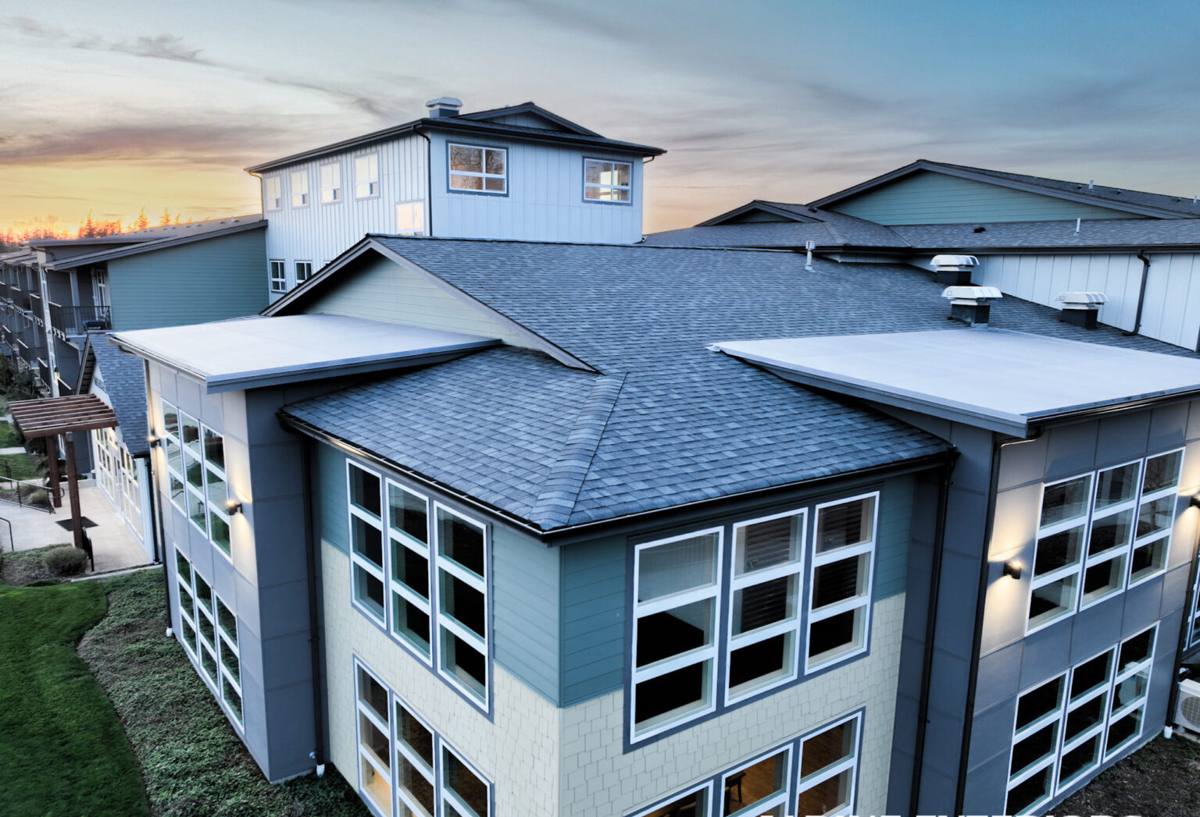
What La Conner's Climate Actually Does to a Roof
Salt Air and Corrosion
Airborne salt doesn't just affect boats and dock hardware. It settles on roofing metal — flashing, fasteners, drip edge, valley metal — and accelerates corrosion over years of exposure. Standard galvanized fasteners can start showing rust streaks well before their expected lifespan in a waterfront-adjacent setting like this. That's a material selection issue, not an installation shortcut, and it's one of the first things we account for when specifying a roof this close to the channel.
Driving Rain and Wind-Driven Water
Rain that falls straight down is easy for any roof to shed. Rain that's being pushed sideways by wind off the water is a different problem — it finds its way under shingle tabs, around poorly lapped flashing, and into any gap in the underlayment that a calmer climate roof could get away with. This is why underlayment coverage and flashing overlap direction matter more here than they would on a roof forty miles from open water.
Moss, Shade, and a Long Wet Season
Skagit County's wet season runs long, and La Conner's tree cover and marine humidity give moss a real head start. Moss holds moisture against the roof surface, works its way under shingle edges, and lifts granules and shingle tabs as it grows — which is exactly how a slow leak starts. Roofs with north-facing slopes or heavy tree shade are the ones we see moss return to fastest, and that shapes both material choice and how we detail ventilation and edge protection during installation.
Choosing the Right Roofing Material for La Conner
There's no single "best" roofing material for every La Conner home — the right choice depends on the home's exposure, roof pitch, budget, and how much long-term maintenance the owner wants to take on. Here's how the common options actually compare in this climate.
| Material | Salt Air Performance | Moss Resistance | Typical Lifespan Here | Maintenance Load |
|---|---|---|---|---|
| Architectural asphalt shingle | Good, with corrosion-resistant fasteners and flashing | Moderate — benefits from zinc/copper strips on shaded slopes | 20-30 years | Periodic moss treatment and gutter clearing |
| Standing seam metal | Very good, with marine-grade or coated fasteners | High — moss struggles to grip a smooth metal surface | 40-50+ years | Low; occasional fastener and seam check |
| Composite/synthetic shake | Good | Moderate to good depending on profile | 30-40 years | Low to moderate |
| Cedar shake | Fair — needs diligent maintenance near salt air | Low without regular treatment | 20-25 years with upkeep | High — regular treatment and inspection needed |
We're upfront about trade-offs. Cedar shake has real visual appeal and fits certain La Conner homes well, but it demands the most ongoing maintenance in exactly the conditions this area produces — regular treatment against moss and moisture, and closer attention to fastener corrosion. If a homeowner wants that look and is committed to the upkeep, we'll install it correctly. If low maintenance matters more, metal or a quality architectural shingle usually makes more sense here.
What a Correct Roof Installation Actually Involves
Tear-Off and Deck Inspection
We don't install a new roof over an old one, and we don't recommend it in this climate. A full tear-off is the only way to actually see the roof deck — and in a marine environment, hidden moisture damage under old shingles is common enough that skipping this step is a false economy. Any soft, delaminated, or water-stained sheathing gets replaced before anything new goes down. Installing new roofing over a compromised deck just hides a problem that will resurface as a leak later.
Underlayment Coverage
Given how much wind-driven rain this area sees, underlayment isn't a formality — it's the roof's real waterproofing layer, with the shingles or metal on top acting as the first line of defense. We use synthetic underlayment across the field for its tear resistance and water resistance, with self-adhered ice-and-water shield at eaves, valleys, and any low-slope transition where water is most likely to back up or pool.
Flashing Details
Most roof leaks trace back to flashing, not the roofing material itself. Chimneys, skylights, sidewall intersections, and valleys all get new flashing during a full replacement — reusing old flashing is a shortcut we don't take. In a salt-air environment, we pay particular attention to flashing metal type and fastener compatibility so dissimilar metals aren't sitting against each other and corroding faster than either would alone.
Ventilation
A roof that can't breathe traps moisture in the attic, which shows up as condensation, mold, and premature deck rot — all things a damp, shaded climate like La Conner's makes worse, not better. We check existing intake and exhaust ventilation as part of every installation and correct imbalances, because a new roof installed over a poorly ventilated attic will show problems again within a few years regardless of how good the shingles are.
Our Installation Process
Every La Conner roof we install follows the same sequence, adjusted for the specific home:
- On-site inspection and honest assessment of the current roof, deck condition, and ventilation setup
- Written estimate with material options and a clear explanation of trade-offs — no pressure to upsell
- Scheduling that accounts for Skagit County's weather windows, so tear-off doesn't sit exposed to rain
- Full tear-off, deck inspection and repair, and disposal of old material
- Underlayment, ice-and-water shield, and new flashing installation
- Roofing material installation to manufacturer specification
- Ventilation correction where needed
- Final walkthrough, cleanup, and a magnetic sweep for stray fasteners
We try to work around the wettest stretches of the season where the schedule allows, but a well-managed tear-off with proper dry-in can proceed safely in most Skagit County weather — what matters is not leaving a deck exposed overnight without protection.
Signs Your La Conner Roof Needs Replacing, Not Patching
Not every roof problem calls for full replacement, but there are signs that patching is just delaying the inevitable — especially on a roof that's already fighting salt air and moss:
- Granule loss heavy enough to see bare patches on asphalt shingles
- Moss established under shingle edges, not just sitting on the surface
- Multiple past repairs on different sections of the same roof
- Soft spots or sagging visible from the ground or in the attic
- Flashing that's rusted, lifted, or was never properly integrated
- A roof approaching or past 20-25 years old with no major upgrades
- Daylight visible through the roof deck from inside the attic
If a roof shows two or more of these, a full replacement usually costs less over time than another round of patches — and it removes the guesswork about what's happening under sections you can't see.
Cost Factors for a La Conner Roof Replacement
Roof cost depends on more than square footage. In this area, a few factors move the number more than homeowners often expect:
| Factor | Why It Matters Here |
|---|---|
| Roof pitch and access | Steeper or harder-to-access roofs near the water take longer and require more safety setup |
| Deck condition | Moisture-related deck repair is more common in marine-adjacent homes and adds material and labor |
| Material choice | Metal costs more upfront but spreads that cost over a much longer lifespan with less maintenance |
| Layers to remove | Multiple existing layers mean more tear-off labor and disposal |
| Flashing and ventilation scope | Correcting undersized or corroded flashing and ventilation adds material but prevents early failure |
We give a written estimate that itemizes these factors rather than a single vague number, so homeowners can see exactly what they're paying for and where they have real choices.
Why a Crew That Already Works La Conner Matters
A roofer who mostly works drier, inland areas isn't necessarily prepared for what a La Conner roof needs. We've seen the specific failure patterns this location produces — corroded fasteners on roofs installed with standard hardware, moss establishing itself in the first shaded valley within a couple of seasons, underlayment that wasn't rated for the wind-driven rain this area gets. That local pattern recognition shapes the material specs and installation details on every job, not just the ones where a problem has already shown up.
We're also familiar with permitting and inspection expectations for roofing work in Skagit County, which keeps the project moving without surprises partway through.
After Installation: Keeping a La Conner Roof Performing
A correctly installed roof still benefits from basic upkeep in this climate. Keeping gutters clear prevents water backing up under eave edges during heavy rain. An annual look for moss growth, especially on shaded or north-facing slopes, catches problems while they're still surface-level. And a quick visual check after major windstorms — for lifted shingle tabs or displaced flashing — is worth five minutes. None of this requires a contractor visit every time, but it's the difference between a roof that reaches its full lifespan and one that needs early intervention.
If your La Conner roof is showing its age or you're planning ahead of a known problem, we're glad to take a look and give you a straight answer about what it needs. Request a free, no-pressure estimate using the form below.