 Anacortes Siding
 Siding Replacement Built for La Conner's Waterfront Climate
La Conner sits right on the Swinomish Channel, and that waterfront setting is part of what makes it a beautiful place to live — and part of what makes siding wear out faster than it does twenty miles inland. Homes here take on a combination that most siding products were never designed to handle well: near-constant salt-laden air off the channel, driving rain that comes in sideways during winter storms, and long stretches of shade and dampness that let moss and algae get a foothold on north-facing walls. We're an Anacortes-based crew that works this stretch of Skagit County regularly, and La Conner's siding problems tend to look different from what we see in drier parts of the county.
This page covers what siding replacement actually involves for a La Conner home, what correct installation looks like in this climate, and why we've standardized on one product system instead of offering the full menu of options most contractors sell.
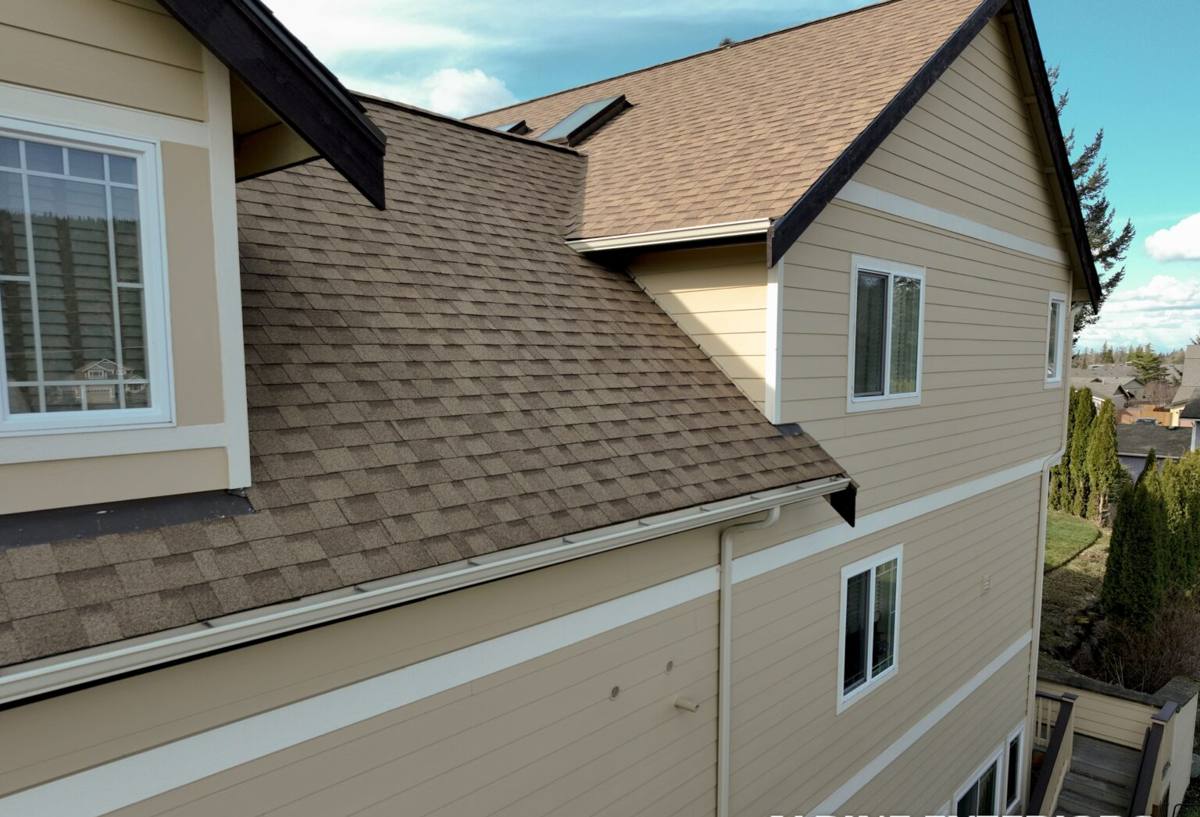
Why La Conner Siding Fails Sooner Than It Should
Salt Air and Metal Fasteners
Airborne salt from the Swinomish Channel and the broader Puget Sound corridor accelerates corrosion on anything metal — fasteners, flashing, trim edges. When those components fail before the siding itself does, water gets behind the cladding and the damage compounds from the inside out, often invisibly, until paint starts bubbling or a wall feels soft underfoot.
Driving Rain and Wind-Driven Moisture
Storms moving through the channel don't just rain down, they push water sideways into siding laps, trim joints, and window returns. A siding system that isn't installed with the right overlaps, clearances, and flashing details will let that wind-driven moisture in, even if the material itself is rated for wet climates.
Moss, Algae, and the Long Wet Season
Shaded exposures and the humidity that comes with a waterfront location give moss and algae a long growing season on this stretch of the coast. Some siding materials shrug this off; others — especially wood-based products — hold moisture against their surface and give organic growth exactly the foothold it needs.
Signs a La Conner Home Needs Siding Replacement, Not Just Repair
Not every issue means a full tear-off. But when several of these show up together, patching stops being cost-effective and replacement becomes the honest recommendation.
- Paint that's peeling, bubbling, or chalking heavily on more than one elevation
- Soft, spongy, or crumbling spots when you press on the siding, especially near the bottom courses
- Persistent moss or dark streaking that comes back within a season of cleaning
- Visible warping, cupping, or delaminating boards, common on older wood or composite siding
- Rot showing up around window and door trim, corners, or wherever two siding planes meet
- A noticeable rise in heating bills, which can point to a compromised weather barrier behind the siding
- Siding that's simply reached the end of its rated service life and is being kept alive with caulk and touch-up paint
What Correct Siding Replacement Actually Involves
Tear-Off and Sheathing Inspection
Replacement starts with full removal of the old siding, not installation over it. That's the only way to find out what's happening underneath — soft sheathing, old water damage, or house wrap that's degraded past its useful life. Any rot or compromised sheathing gets addressed before a single new board goes up. Skipping this step is the single most common shortcut that leads to problems five years later, and it's non-negotiable on any job we run.
Water Management Comes Before the Cladding
In a climate that pushes rain sideways, the weather-resistive barrier and flashing details matter more than the siding itself. That means a properly lapped house wrap, correctly integrated window and door flashing, and rainscreen or drainage detailing at grade and around penetrations so any moisture that does get past the siding has a way out instead of a place to sit.
Installation to Manufacturer Spec, Not "Close Enough"
Fastener type, fastener spacing, board clearance from grade and roof lines, caulking at butt joints, and paint-line touch-up at cut edges all affect how the siding performs over the next thirty-plus years. James Hardie publishes specific installation requirements for a reason — they're what keeps the factory warranty valid and what keeps salt air and driving rain from finding a way in.
Why We Only Install James Hardie Fiber Cement
We don't offer vinyl, LP SmartSide, primed spruce, cedar, or other fiber cement brands like Cemplank or Allura. That's a deliberate decision, not a limitation in what we're capable of installing. Fiber cement is cement, sand, and cellulose fibers — it doesn't rot, it isn't attractive to insects, and it's non-combustible, which matters more each year given regional wildfire smoke seasons and insurance underwriting trends. James Hardie is the manufacturer we trust to back that material up with a factory-applied ColorPlus finish and climate-specific HZ product lines engineered for Pacific Northwest moisture exposure, plus a transferable limited warranty that holds up when a home changes hands.
Every siding product on the market gets something right. Our position isn't that the alternatives are bad products — it's that after years of installing and repairing siding in this climate, fiber cement from a manufacturer with a proven track record and real climate-specific engineering is what we're willing to put our name on.
Siding Materials Compared for La Conner's Climate
| Material | Moisture Behavior Near Water | Salt Air Resistance | Typical Lifespan | Maintenance Burden |
|---|---|---|---|---|
| Vinyl | Doesn't absorb water, but can warp or crack in wind and temperature swings | Fasteners and trim pieces can corrode over time | 20-30 years | Low, but not repairable — damaged sections are replaced |
| Primed Wood / Cedar | Absorbs moisture, prone to swelling, cupping, and rot in wet shade | Salt air accelerates paint failure and grain checking | 10-20 years with diligent upkeep | High — repainting and caulk maintenance every few years |
| Wood-Based Composite (e.g. LP SmartSide) | Engineered to resist moisture better than raw wood, but edges are still moisture-sensitive if cut edges aren't sealed and maintained | Moderate, dependent on coating upkeep | 20-30 years | Moderate — edge sealing and coating maintenance matter |
| James Hardie Fiber Cement | Cement-based, does not rot or swell from moisture exposure | Non-combustible, holds up to salt-laden air with proper flashing | 30+ years, factory finish warranty | Low — occasional wash-down, no repainting cycle with ColorPlus finish |
Our Process, Start to Finish
1. On-Site Assessment
We walk the exterior with you, look at current siding condition, trim, flashing, and any problem areas you've already noticed, and talk through what a correct replacement would involve on your specific home.
2. Written Estimate
You get a clear scope and price before any work starts — what's included, what product line and color, and a realistic timeline.
3. Tear-Off and Sheathing Repair
Old siding comes off, sheathing gets inspected, and any rot or damage found underneath gets repaired and documented before we move forward.
4. Weather Barrier and Flashing
House wrap, window and door flashing, and drainage detailing go in correctly, sequenced so water always has a path out.
5. Hardie Installation
Siding goes up to manufacturer spec — fastener pattern, clearances, joint treatment, and touch-up on every cut edge.
6. Final Walkthrough
We walk the finished job with you before calling it done, so nothing gets left for you to discover later.
Why Hiring a Crew That Already Works La Conner Matters
La Conner's mix of waterfront exposure, older homes, and shoreline-adjacent lots means siding decisions here aren't identical to a job in a subdivision further inland. A crew that regularly works this part of Skagit County has already seen how salt air treats different flashing details, how moss behaves on shaded elevations near the water, and what it takes to keep a weather barrier performing through a full wet season. We're based in Anacortes, a short drive from La Conner, and we come back for warranty work and questions without treating the trip as an inconvenience — because it isn't one.
What Affects the Cost of Siding Replacement in La Conner
Every home is different, but the main cost drivers we see on La Conner jobs are consistent:
- Home size and the number of stories, which affects both material and labor
- How much sheathing repair is needed once the old siding comes off
- Trim complexity — corners, window returns, and architectural detailing add labor time
- Access, including waterfront or sloped lots that require more staging
- Product line and color selection within the James Hardie system
We won't quote a number without seeing the home, but we'll always walk you through what's driving the estimate so there are no surprises once work starts.
If your La Conner home's siding is showing its age, or you just want an honest read on whether repair or replacement makes more sense, we're happy to come take a look. Reach out for a free, no-pressure estimate using the form below.