 Anacortes Siding
 Roofing Built for Skyline's Coastal Climate
Homes in the Skyline area near Anacortes sit close enough to the water and the Skagit County tree cover that a roof here works harder than one a few hours inland. Salt-laden air off the Sound accelerates corrosion on exposed metal fasteners and flashing. Driving rain, often pushed sideways by wind off the water, finds its way into any gap in flashing, underlayment, or shingle lap that a fair-weather installation might get away with elsewhere. And the shaded, moisture-heavy lots common in this area feed a long moss and algae season that can shorten the useful life of a roof if it's not addressed from day one.
A new roof installed correctly for Skyline isn't a different product than what's sold anywhere else — it's the same materials installed with more attention to the details that matter here: ventilation, flashing, fastener choice, and underlayment coverage. That's the difference between a roof that looks fine at year three and starts failing at year ten, and one that holds up through two or three decades of Pacific Northwest weather.
Signs a Skyline Home Needs a New Roof, Not a Repair
Not every roofing problem calls for full replacement, but there's a point where patching stops making financial sense. Homeowners in this area should watch for:
- Shingles that are cupping, curling, or losing their granules in patches — a sign the asphalt itself is aging out, not just weathering on the surface
- Heavy moss growth that keeps returning within a season or two of cleaning, especially on north-facing slopes that stay shaded and damp
- Soft spots in the roof deck, visible sagging, or water stains on interior ceilings after a hard rain
- Flashing around chimneys, skylights, or roof-to-wall transitions that's rusted, lifted, or was never properly step-flashed to begin with
- A roof that's simply reaching the end of its material lifespan — most asphalt shingle roofs in this climate are due for serious evaluation somewhere in the 18-25 year range, depending on ventilation and exposure
If a roof is showing two or more of these signs at once, a repair is often just delaying a replacement that's already overdue — sometimes at a higher total cost once you count the repair work that gets thrown away.
What a Correct Roof Installation Actually Involves
A new roof is more than laying shingles over what's there. Done right, it's a system, and every layer matters more in a wet, salty, moss-prone climate like this one.
Tear-Off and Deck Inspection
We remove the old roofing down to the deck rather than layering over it. This lets us inspect the sheathing for soft spots, rot, or delamination caused by long-term moisture intrusion — problems that are common on older Skagit County homes and impossible to catch, let alone fix, if you install over the top of them.
Underlayment
Underlayment is the roof's real waterproof barrier — shingles shed most of the water, but underlayment is what protects the deck when wind-driven rain gets underneath them, which happens regularly in this area during winter storms. We use synthetic or ice-and-water underlayment sized to the exposure of the roof, with extra coverage at eaves, valleys, and any low-slope sections where water sits longer.
Flashing
Flashing failures are the single most common cause of roof leaks, and they're almost always an installation problem, not a material one. Every penetration — chimneys, vents, skylights — and every roof-to-wall transition gets properly step-flashed and sealed, not just caulked over.
Ventilation
Balanced intake and exhaust ventilation keeps the attic dry and temperature-stable, which matters twice over here: it prevents condensation buildup in our damp winters, and it slows the moss and algae growth that thrives on a roof deck holding moisture. Poor ventilation is one of the most overlooked reasons roofs fail early in this region.
Fasteners and Metal Components
Given the salt air near the Sound, we use corrosion-resistant fasteners and flashing metals rather than standard-grade hardware that can start rusting and staining within a few years.
Roofing Material Options
Most Skyline homeowners choose between a few proven material categories. Each has real trade-offs worth understanding before you decide.
| Material | Typical Lifespan | How It Handles This Climate |
|---|---|---|
| Architectural (dimensional) asphalt shingle | 25-30 years | Good moisture and wind performance when properly ventilated; widest range of algae-resistant options |
| 3-tab asphalt shingle | 15-20 years | Budget option; more prone to wind lift and quicker moss/algae staining over time |
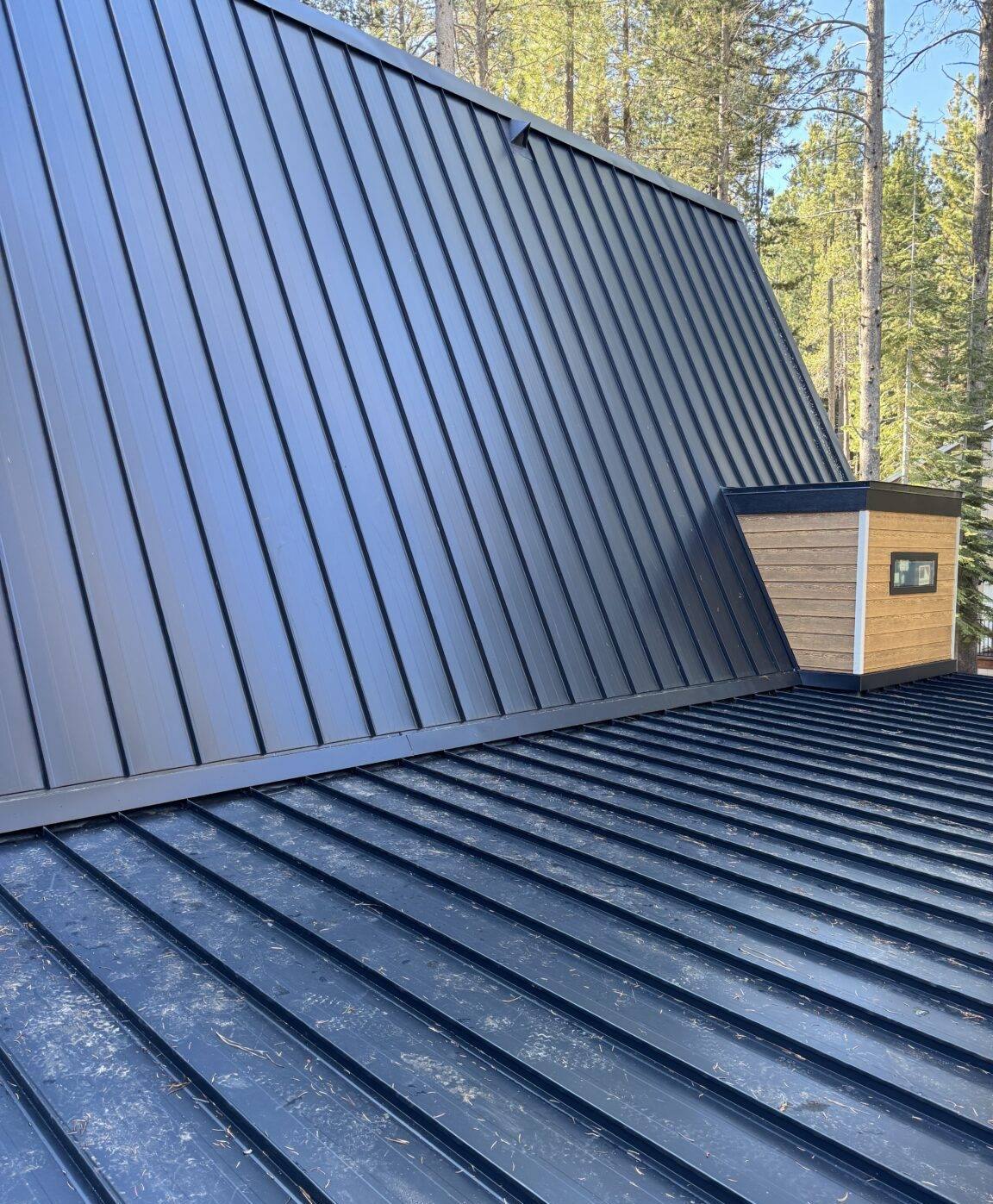
| Standing seam metal | 40-50+ years | Excellent water shedding on steep slopes; needs coastal-grade coatings and fasteners to resist salt air corrosion |
| Synthetic/composite shingle | 30-50 years | Strong moisture and impact resistance; higher upfront cost, lower long-term maintenance |
We don't push one material on every home. The right choice depends on roof pitch, how shaded the lot is, budget, and how long the homeowner plans to stay in the house. A steep, heavily shaded roof that fights moss every year is a very different conversation than a sunny, low-pitch roof on the same street.
Our Installation Process
- On-site inspection and estimate — we look at the current roof, deck condition, ventilation setup, and any problem areas before quoting anything
- Material selection — we walk through options and trade-offs based on your roof's exposure and your budget, not a one-size-fits-all pitch
- Scheduling around weather — in this region, timing tear-off against the rain forecast matters; we plan the job so your deck isn't exposed longer than necessary
- Tear-off and deck repair — full removal of old roofing, with any damaged sheathing replaced before anything new goes down
- Underlayment, flashing, and ventilation installation — the layers that actually determine whether the roof lasts
- Final material installation — shingles, metal, or composite installed to manufacturer spec and local building code
- Cleanup and walkthrough — full site cleanup including magnetic sweep for stray fasteners, and a final walkthrough so you know exactly what was done
What Affects the Cost of a New Roof
We won't quote a number without seeing the roof — pitch, size, layers of existing roofing, and access all change the math. But these are the factors that move the price up or down on most Skyline projects:
| Factor | Why It Matters |
|---|---|
| Roof size and number of facets | More square footage and more valleys/hips mean more material and labor time |
| Pitch and access | Steep or hard-to-access roofs require more safety equipment and slower, careful work |
| Number of existing layers | Tear-off of multiple old layers adds labor and disposal cost |
| Deck condition | Rotted or soft sheathing found during tear-off requires replacement before install |
| Material choice | Asphalt, metal, and composite carry different material and labor costs |
| Ventilation upgrades | Adding proper intake/exhaust venting where none existed adds a modest cost but protects the whole system |
Generally speaking, a straightforward asphalt shingle replacement on a typical single-family home lands in the mid-to-high five figures range in this region, with metal and premium composite roofs running higher. Every home is different, which is why we quote after an actual inspection rather than over the phone.
Living With a Roof in Skagit County's Moss Season
Even a well-installed roof needs some ongoing attention here. Moss and algae aren't a sign of a bad roof — they're a normal part of owning a home in a shaded, damp climate like this one. What matters is staying ahead of it:
- Keep gutters and valleys clear of debris that traps moisture against the roof surface
- Trim back overhanging branches to let more sun and airflow reach shaded sections
- Have moss growth gently removed before it works its way under shingle edges — aggressive pressure washing can do more damage than the moss itself
- Consider algae-resistant shingles or zinc/copper strips at the ridge on new installations, which reduce (though don't eliminate) regrowth
Why Local Roofing Experience Matters in Skyline
A roofing crew that regularly works in and around Anacortes understands things a crew from outside the area has to learn on the fly: which slopes hold moss longest, how far wind-driven rain can travel up a roof plane in a coastal storm, and which flashing details actually hold up to salt air over the years rather than just on paper. That local pattern recognition shows up in fewer callbacks and a roof that's genuinely built for the conditions it will face, not a generic install dropped onto a coastal lot.
Before hiring anyone for a roof replacement, it's worth checking a few basics:
- Current Washington state contractor registration and liability insurance
- Manufacturer certification for the specific roofing system being installed
- A written estimate that spells out tear-off, underlayment type, flashing details, and ventilation — not just "shingles and labor"
- A clear warranty on both materials and workmanship, explained in plain language
- Willingness to walk the roof with you and explain what they see before quoting
Ready to Talk About Your Roof?
If your Skyline home's roof is showing its age or you just want an honest read on how much life it has left, we're happy to take a look. The estimate is free, there's no pressure, and you'll get a straight answer about what your roof actually needs — use the form below to get started.