 Anacortes Siding
 Windows Built for Old Town Anacortes Weather
Old Town Anacortes sits close enough to the water that its houses take a different kind of beating than homes further inland in Skagit County. Salt-laden air off the marine waters accelerates corrosion on anything metal, wind-driven rain finds its way into gaps that would stay dry elsewhere, and the shaded, damp stretches of the year grow moss and mildew on anything that holds moisture. Windows sit right at the center of all three problems. A window replacement here isn't just a cosmetic upgrade — it's a chance to correct decades of exposure to conditions this specific corner of Anacortes deals with more than most.
A lot of the older homes in this part of town still have original wood-frame windows, or a first round of replacements installed 20-30 years ago with lower-grade materials and flashing methods that were standard at the time but don't hold up well under sustained coastal exposure. When we go in for a window replacement in Old Town Anacortes, we're usually not just swapping glass — we're correcting flashing, sill pitch, and air sealing that was never quite right to begin with.
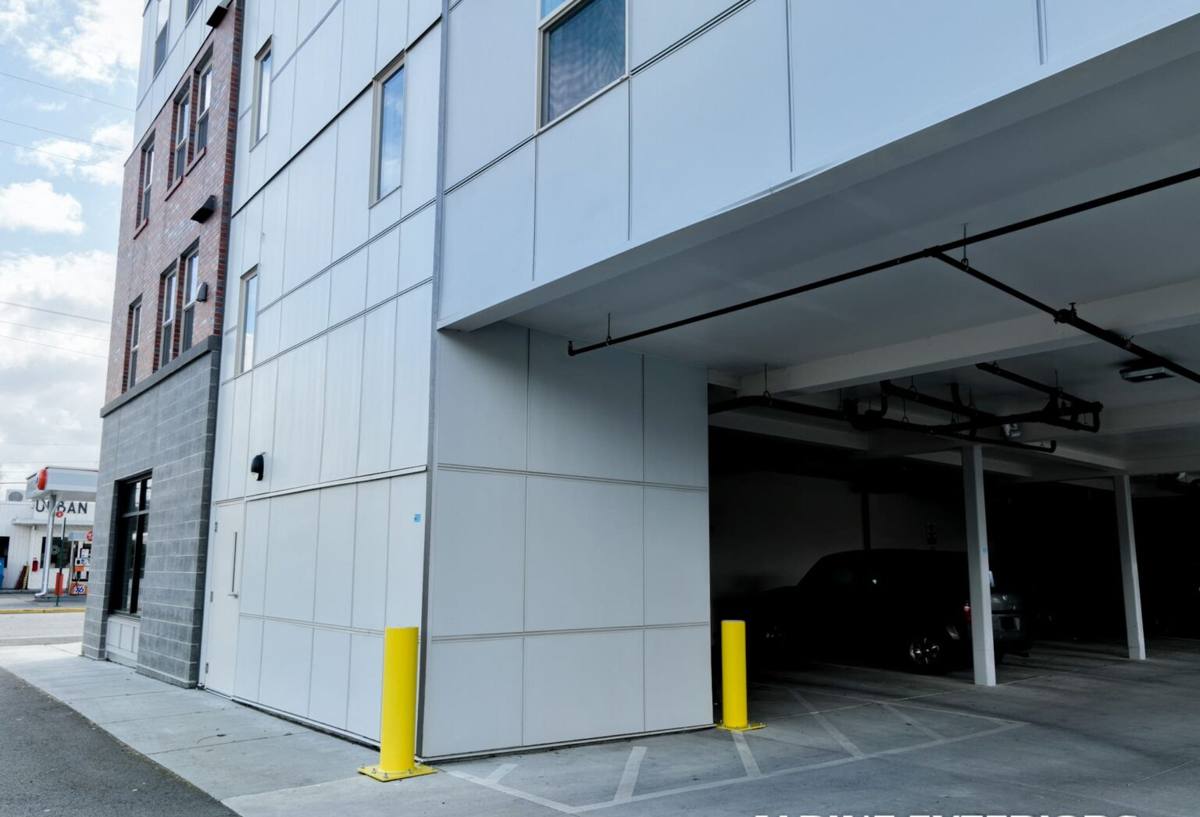
What Salt Air and Driving Rain Actually Do to a Window
It helps to understand the failure modes before deciding what to replace them with.
Salt Air
Airborne salt is corrosive to exposed fasteners, hinges, balance hardware, and any unprotected metal trim or flashing. Once corrosion starts on hardware inside a window assembly, it's hidden — you don't see it until the window stops operating smoothly or a fastener fails. Homes closer to the water see this show up faster than homes even a mile or two inland.
Driving Rain
Wind off the water doesn't just fall — it pushes rain sideways into wall assemblies, particularly on west- and south-facing elevations. A window that was installed with minimal flashing, or with flashing that relies on caulk alone rather than a proper lapped drainage path, will eventually let water behind the trim. That water doesn't evaporate quickly in our climate — it sits in the wall cavity and causes rot long before anyone notices a stain inside.
Moss and Sustained Moisture
Shaded sills, north-facing walls, and anywhere airflow is limited will grow moss and mildew over a long wet season. On wood trim and sills, that moisture holds against the material for months at a time, which is exactly the condition wood rot needs. Moss on a windowsill isn't just an appearance issue — it's a sign that water is sitting there rather than shedding away.
What a Correct Window Replacement Involves
Replacing a window well in this environment is more about what happens around the window than the window unit itself. The steps that matter most:
- Full removal of the old unit and inspection of the rough opening for hidden rot before anything new goes in
- Correcting any soft or damaged framing found during removal — not covering it up
- Installing a proper drainage plane and flashing sequence so water that reaches the opening drains back out, not into the wall
- Sloped sill pans so any water that gets past the exterior trim has somewhere to go besides sitting on wood
- Continuous, correctly lapped house wrap or building paper integration at the window's perimeter
- Quality sealant at the right joints only — sealant is a backup to good flashing, not a substitute for it
- Interior air sealing with low-expansion foam or backer rod, not just cosmetic caulk
- Verifying the unit operates, locks, and seals correctly before we consider the job done
Skipping the flashing and sill pan work is the single most common shortcut we see in prior installs around Old Town Anacortes. The new window looks fine from the street, but the wall behind it is still vulnerable to the same driving rain that damaged the original.
Choosing Materials for This Climate
Material choice matters more here than in drier parts of the state. The table below reflects how common window frame materials tend to perform under the salt air, driving rain, and moss conditions typical of this part of Anacortes — not a ranking of brands, just an honest look at trade-offs.
| Material | Coastal Durability | Maintenance Burden | Notes for This Area |
|---|---|---|---|
| Vinyl | Good — won't corrode or rot | Low — occasional cleaning | Common, cost-effective choice; quality varies significantly by manufacturer and installer |
| Fiberglass | Very good — dimensionally stable, resists moisture | Low | Handles temperature and moisture swings well; higher upfront cost |
| Aluminum-clad wood | Good exterior protection, but relies on the cladding staying intact | Moderate — any breach in cladding exposes wood beneath | Attractive option but installation quality and seam integrity matter a great deal here |
| Bare wood | Poor in this specific exposure without diligent upkeep | High — regular painting/sealing required | We're honest with owners that bare wood sashes facing prevailing wind and rain need real maintenance discipline to last |
None of these are wrong choices in general — wood windows have a long track record and plenty of homeowners love the look. Our job is to make sure whichever material you choose is installed and flashed correctly, since a poor installation will undermine even the best material, and a good installation gets more life out of a modest one.
Hardware and Glass Considerations
Beyond the frame, a few details matter specifically because of where this neighborhood sits:
- Corrosion-resistant hardware — locks, hinges, and balance systems should be rated for coastal or high-humidity exposure, not standard interior-grade components
- Dual or triple-pane glass with a durable low-E coating — helps with both energy performance and condensation control during our damp, cool stretches
- Weep hole design that actually drains — some window designs are more prone to weep holes clogging with debris and moss spores; on homes with heavy tree cover or shaded elevations, this is worth discussing before you pick a unit
Our Process for a Window Replacement Project
We keep the process straightforward and communicate at each stage:
- On-site assessment — we look at each window individually, not just from the street. Sill condition, framing, and current flashing all get checked.
- Honest scope and estimate — if we find rot or prior water damage during the assessment, we tell you before work starts, not after we've opened the wall.
- Material and product selection — we walk through the trade-offs above based on your budget, the home's exposure, and how the existing trim and siding look.
- Removal and opening prep — old units come out, and we address any framing issues we find before the new unit goes in.
- Installation with proper flashing and sealing — this is where most of the long-term performance is decided.
- Final check and walkthrough — we confirm operation, sealing, and appearance with you before calling the job finished.
Why Local Experience with Old Town Anacortes Homes Matters
A crew that mainly works drier, inland parts of Skagit County can still install a window correctly on paper, but they may not think to check for the specific failure patterns that show up on homes exposed to marine air and driving rain. We've seen how quickly corrosion sets into unprotected hardware here, how moss builds up on shaded north sills within a single wet season, and which elevations in this neighborhood tend to take the worst of the wind-driven rain. That local pattern recognition changes what we look for during the assessment and how we detail the flashing — it's not something you can fully substitute with a generic install checklist.
It also means we're a known, findable crew if a question comes up two or five years down the road — not a company that was only in town for one job.
Signs Your Old Town Anacortes Home Needs Window Replacement Now
Some issues can wait a season; others shouldn't. Watch for:
- Visible wood rot or soft spots at the sill or frame corners
- Persistent fogging or moisture between panes on dual-pane units — a sign the seal has failed
- Windows that are difficult to open, close, or lock, especially after damp weather
- Drafts you can feel around the frame even when the window is fully closed
- Moss or dark staining that returns quickly after cleaning
- Paint or finish that's failing specifically on window trim faster than the surrounding siding
Any one of these on its own might just need attention; several together on the same window usually means replacement is the more cost-effective path compared to repeated repair.
Get an Honest Look at Your Windows
If you're weighing repair against replacement, or just want a straight answer on how your current windows are holding up against the salt air and rain this part of Anacortes sees every year, we're happy to take a look. Reach out for a free, no-pressure estimate — we'll tell you what we actually find, not just what sells a job.