 Anacortes Siding
 Roofs in the Skyline Area Work Harder Than Most People Realize
If you own a home in the Skyline area of Anacortes, you already know your roof deals with more than the average shingle was designed for. Fidalgo Island sits right where Puget Sound weather turns personal: salt-laden air drifting off the water, driving rain that comes in sideways instead of straight down, and a moss season that seems to start earlier and last longer every year. None of that is dramatic on its own. It's the slow, steady combination that wears a roof down faster than most homeowners expect.
Roof repair in this part of Skagit County isn't just about patching a leak. It's about understanding why that spot failed in the first place, and whether the surrounding roof is a few years or a few seasons behind it. A repair that only addresses the visible symptom tends to come back — often in a different spot, often after the next big autumn storm.
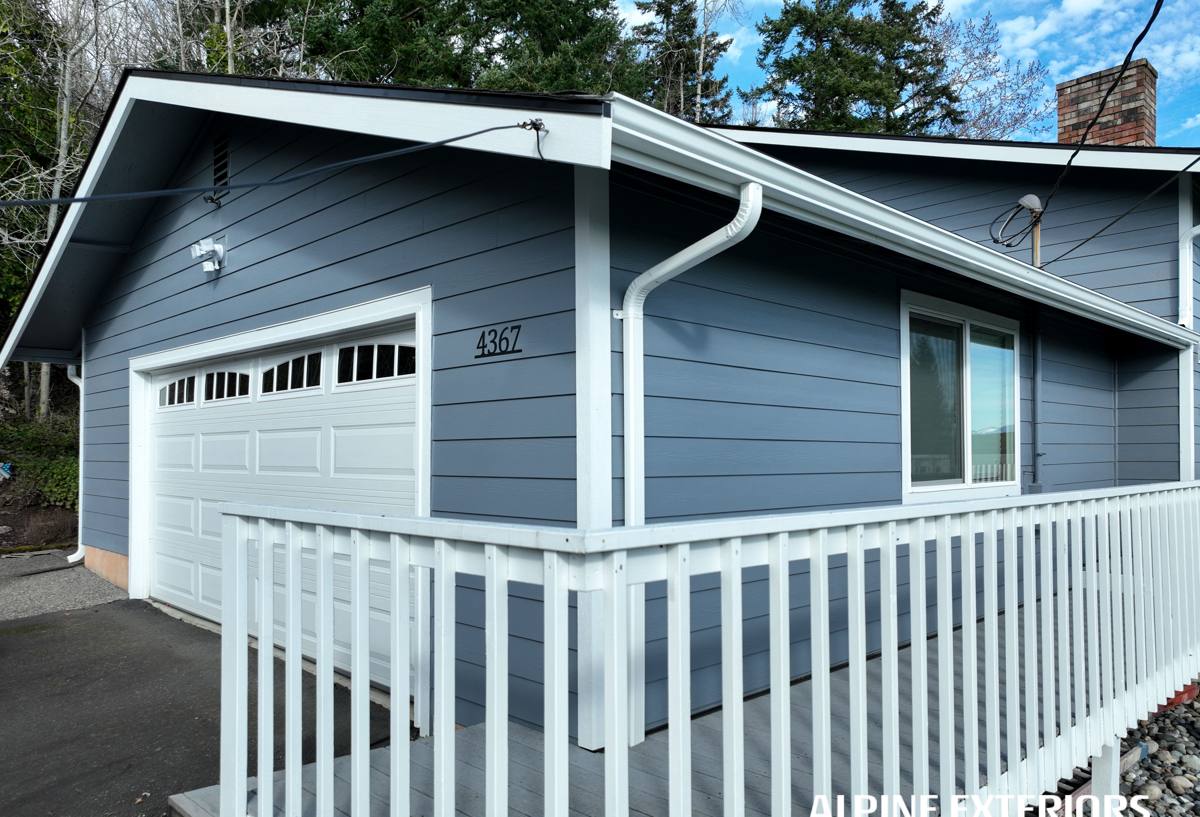
What Salt Air, Rain, and Moss Actually Do to a Roof
Salt Air
Salt-carrying air corrodes exposed metal faster than inland weather does. Nails, flashing edges, vent caps, and fastener heads are usually the first casualties. Once a fastener starts to corrode, it loses its grip, and that's how small leaks start around penetrations that looked fine the year before.
Driving Rain
Wind-driven rain doesn't behave like a simple downpour. It gets pushed up and under shingle edges, into laps that were never meant to face that kind of pressure, and along valleys and flashing lines where water is supposed to shed quickly but instead gets forced sideways. A roof that would hold up fine in calm rain can still leak in a wind-driven storm if the flashing details weren't done with that in mind.
Moss
Shade, moisture, and mild temperatures make Skagit County an easy place for moss to take hold, and Skyline's tree cover only adds to that. Moss holds water against the roof surface long after the rain stops, which accelerates granule loss on asphalt shingles and rot on older wood shakes. Left alone, moss growth lifts shingle edges just enough to let water underneath.
Signs a Skyline Roof Needs Repair — Not Just a Look
Most roof problems don't announce themselves with an obvious hole. They show up as small, easy-to-dismiss signals:
- A water stain on a ceiling or ceiling corner that appears after a windy rainstorm but not a calm one
- Granules collecting in gutters or at the base of downspouts
- Moss or dark streaking concentrated on the shaded, north-facing slopes
- Shingles that look slightly curled, lifted, or cracked at the edges
- Rust staining below metal flashing or vent boots
- Soft or spongy decking felt underfoot in the attic near an exterior wall
- A spike in attic humidity or musty smell that wasn't there before
Any one of these on its own might be minor. Two or three together usually mean water has been getting in for a while, even if it hasn't reached the inside of the house yet.
What a Correct Roof Repair Actually Involves
Finding the Real Source, Not Just the Visible Drip
Water travels. A stain on a bedroom ceiling can trace back to a flashing failure several feet away, following a rafter or the underside of the decking before it shows itself. A repair that only patches the spot directly above the stain often misses the actual entry point entirely. Proper diagnosis means tracing the path — checking flashing, valleys, vent boots, and any nearby penetrations before deciding where the real fix needs to happen.
Matching Materials and Aging
Shingles fade and wear unevenly over time, and a patch using mismatched material stands out and can also behave differently in wind and rain than the surrounding roof. Wherever possible, we match not just the color but the profile and weight of the existing roofing, and we're honest when a section is worn enough that a patch would be a short-term fix rather than a real solution.
Flashing and Moss-Prone Valleys Get Extra Attention
Valleys, chimney flashing, and any spot where two roof planes meet are where driving rain and standing moisture cause the most repeat failures. On Skyline homes we pay particular attention to these areas, since they're also the spots most likely to hold moss and trap moisture through the wet season.
Common Roof Repair Issues We See on Skyline Homes
| Issue | Likely Cause | What a Proper Repair Does |
|---|---|---|
| Leak near a chimney or skylight | Aged or improperly lapped flashing | Remove and reflash with correct step and counter-flashing, not just caulk over the gap |
| Granule loss and thinning shingles | Sun, salt air exposure, and age | Assess remaining shingle life; patch only if the surrounding material can still hold up |
| Moss buildup on shaded slopes | Tree cover, shade, and moisture retention | Careful removal, treatment, and repair of any shingle damage moss has already caused |
| Rust staining below vent boots | Corroding fasteners or aging rubber boots | Replace boots and corroded fasteners, not just a surface wipe-down |
| Soft spots in the decking | Long-term moisture intrusion | Cut back to solid decking, replace the rotted section, then reroof over sound material |
Our Repair Process, Start to Finish
1. Inspection and Honest Assessment
We start on the roof and, when needed, in the attic, tracing water paths rather than guessing from the ground. You get a clear explanation of what we found and why, in plain language.
2. A Written Scope Before Any Work Starts
You'll know what's being repaired, what materials will be used, and roughly what it will cost before anyone starts pulling shingles. No surprises added mid-job.
3. The Repair Itself
We remove damaged material back to solid decking, address the actual cause (not just the symptom), and rebuild the area to shed water the way the rest of the roof does.
4. Cleanup and Final Check
Job site debris, old nails, and removed material get cleared away, and we walk the repair with you before calling it done.
Repair vs. Replacement: How We Help You Decide
Not every roof problem calls for a full replacement, and not every leak should be patched forever. The honest answer usually comes down to a few practical factors:
| Factor | Leans Toward Repair | Leans Toward Replacement |
|---|---|---|
| Age of roof | Under 15 years, isolated damage | Near or past expected lifespan roof-wide |
| Extent of damage | Localized to one area or penetration | Widespread granule loss, curling, or moss damage |
| Decking condition | Solid, dry decking under the damage | Multiple soft or rotted sections found |
| Repair history | First repair in that area | Same spot has been patched more than once |
We'll tell you straight if a repair is the right call, or if you'd be better off putting that money toward a replacement instead of chasing the same leak twice.
Materials We Use for Skagit County Conditions
Given the salt air and moss pressure common to this area, we lean toward materials and details that hold up to that specific combination rather than whatever is cheapest to source. That means quality flashing metals resistant to corrosion, fasteners rated for coastal exposure, and, where a homeowner is open to it, algae-resistant shingle products designed to slow moss and dark streaking on shaded slopes. We're upfront about the trade-offs of any material — some algae-resistant products cost more upfront, and some finishes require slightly different installation techniques to perform as intended. We'd rather explain those trade-offs honestly than oversell a product that doesn't fit your roof or your budget.
Maintenance Checklist for Skyline Homeowners
A little seasonal attention goes a long way toward avoiding repeat repairs in this climate:
- Clear gutters and downspouts before the fall rains pick up
- Have moss treated and removed before it spreads, especially on shaded, north-facing slopes
- Trim overhanging branches that keep sections of the roof damp and shaded
- Check attic ventilation — poor airflow speeds up moisture problems from the inside
- After any major windstorm, do a visual check for lifted or missing shingles
- Have flashing around chimneys, skylights, and vents inspected every couple of years
Why a Crew That Already Works Skyline Matters
A roofer who works this part of Anacortes regularly already knows how salt air, wind direction, and shade patterns tend to play out on homes in the area. That familiarity shows up in small ways — knowing which valleys and slopes tend to hold moss longest, which flashing details actually hold up to driving rain off the water, and which repairs are worth doing versus which signal it's time to start planning ahead. It's the difference between a repair that's built for your roof's actual conditions and one that's built for a textbook average.
If you're dealing with a leak, moss buildup, or just want an honest read on where your roof stands, we're happy to take a look. Estimates are free, there's no pressure to book anything on the spot, and you'll get a straight answer about what your roof actually needs.